According to IMARC Group’s latest research publication, The global dairy protein market size reached USD 15.9 Billion in 2025. Looking forward, IMARC Group expects the market to reach USD 22.3 Billion by 2034, exhibiting a growth rate (CAGR) of 3.72% during 2026-2034.
How AI is Reshaping the Future of Dairy Protein Market
AI-Driven Innovation in Dairy Protein Development: Artificial intelligence is accelerating innovation in the dairy protein market by optimizing product formulation and enhancing protein functionality. AI tools analyze molecular composition, texture, and nutritional profiles to develop improved dairy ingredients for applications such as sports nutrition, infant formula, and functional foods. This reduces research time and enables faster commercialization of high-quality protein products. As demand for specialized and high-performance nutrition grows, AI is helping manufacturers create tailored dairy protein solutions with better digestibility and enhanced health benefits.Smart Dairy Farming and Supply Chain Optimization: AI is transforming dairy farming by improving milk production efficiency and quality, which directly impacts dairy protein supply. Advanced sensors and machine learning systems monitor animal health, feeding patterns, and milk yield in real time. This ensures consistent raw material quality and reduces production risks. Additionally, AI-driven supply chain tools help forecast demand, manage inventory, and streamline logistics. These improvements enhance overall efficiency, reduce waste, and ensure a stable supply of high-quality dairy proteins to meet growing global demand.AI-Powered Market Insights and Personalized Nutrition: AI is enabling dairy protein companies to better understand consumer preferences and emerging health trends. By analyzing large datasets from consumer behavior, fitness trends, and dietary patterns, AI helps in developing personalized nutrition products such as protein-enriched beverages, lactose-free options, and medical nutrition. This data-driven approach allows companies to respond quickly to market changes and launch targeted products. As personalized nutrition gains popularity, AI is playing a key role in shaping the future of dairy protein consumption and innovation.

Explore Updated 2026 Market Trends & Analysis
Dairy Protein Industry Overview:
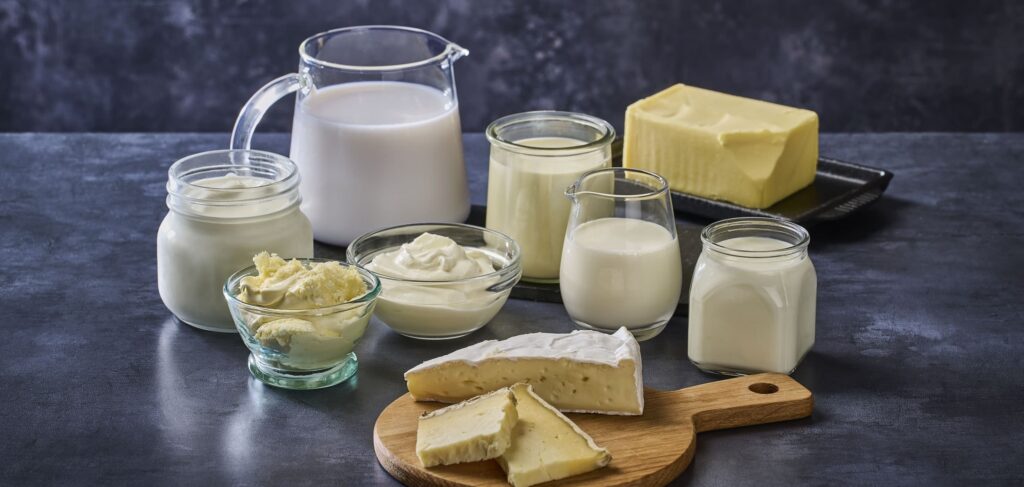
The dairy protein industry focuses on the production, processing, and application of high-quality proteins derived from milk, primarily including whey protein and casein. These proteins are widely used across food and beverage, sports nutrition, infant formula, and clinical nutrition due to their excellent amino acid profile and high digestibility. Dairy proteins play a vital role in muscle development, weight management, and overall health, making them essential ingredients in functional and fortified products.
Dairy Protein Market Trends & Drivers
One of the key drivers of the dairy protein market is the increasing consumer focus on health, fitness, and balanced nutrition. Dairy proteins such as whey and casein are widely used in protein bars, shakes, and fortified foods due to their high nutritional value and easy digestibility. Growing awareness of muscle health, weight management, and active lifestyles is boosting demand globally. The trend toward functional foods that offer additional health benefits is further accelerating the adoption of dairy proteins across various food and beverage applications.
The rapid growth of the sports nutrition and clinical nutrition sectors is significantly driving the dairy protein market. Athletes, fitness enthusiasts, and aging populations are increasingly consuming protein supplements to support muscle recovery, strength, and overall health. In addition, dairy proteins are widely used in medical nutrition products for patients requiring specialized diets. The rising prevalence of lifestyle-related health conditions and increased focus on preventive healthcare are further supporting demand in these high-value segments.
Continuous advancements in dairy processing technologies are enabling the development of innovative protein products with improved taste, texture, and functionality. Manufacturers are introducing lactose-free, low-fat, and ready-to-drink protein products to meet diverse consumer preferences. Additionally, improved filtration and extraction techniques are enhancing protein purity and efficiency. The growing emphasis on clean-label products and sustainable production practices is also influencing innovation, making dairy proteins more appealing to health-conscious and environmentally aware consumers worldwide.
Leading Companies Operating in the Global Dairy Protein Industry:
Ace International LLP AMCO Proteins Arla Foods amba Fonterra Co-operative Group Limited Glanbia PLC Grassland Dairy Products Inc. Groupe Lactalis Idaho Milk Products Kerry Group plc Royal FrieslandCampina N.V. Saputo Inc. Schreiber Foods Inc. United Dairymen of Arizona Westland Milk Products (Yili Group)
Dairy Protein Market Report Segmentation:
By Type:
Casein and Derivatives Whey Protein Milk Protein Concentrate
Whey protein represents the largest class, as it contains all essential amino acids in optimal ratios, offers superior solubility and digestibility, and finds versatile application across sports nutrition, medical nutrition, and functional food formulations.
By Form:
Based on the form, the market has been segmented into solid and liquid. Solid dominates due to convenient storage, extended shelf life, and widespread use in cheese, yogurt, protein bars, and baked goods.
By Application:
Food and Beverages Nutrition Personal Care and Cosmetics Feed Others
Food and beverages have the largest market share owing to the extensive incorporation of dairy proteins in cheese, yogurt, protein bars, ready-to-drink beverages, and functional foods meeting consumer demand for convenient, high-quality protein sources.
Regional Insights:
North America (United States, Canada) Asia Pacific (China, Japan, India, South Korea, Australia, Indonesia, Others) Europe (Germany, France, United Kingdom, Italy, Spain, Russia, Others) Latin America (Brazil, Mexico, Others) Middle East and Africa
Europe exhibits a clear dominance in the dairy protein market due to deep-rooted cultural traditions in dairy consumption, stringent quality and safety standards, economic prosperity enabling premium product spending, and established infrastructure supporting innovation.
Recent News and Developments in Dairy Protein Market
2026 – Strategic Investments and Expansion in Protein-Based Nutrition: In 2026, major dairy and nutrition companies are accelerating investments in high-protein product portfolios. A notable development includes Danone’s move to acquire a leading nutrition brand to strengthen its position in protein-rich and health-focused foods. This reflects a broader industry shift toward functional nutrition and convenient protein products, driven by growing global health awareness and demand for balanced diets.2026 – Growth of High-Protein Dairy Products and Market Resurgence: The year 2026 has seen a strong resurgence in demand for traditional dairy proteins such as whey and milk-based products. Consumers are increasingly favoring natural, protein-rich foods over ultra-processed alternatives. This shift is boosting sales of high-protein dairy items like yogurt, milk, and cheese, reinforcing the importance of dairy proteins in mainstream diets and fitness-focused consumption patterns.2026 – Industry Expansion and Premium Product Focus: In 2026, dairy companies are focusing on premium and value-added protein products to maintain growth amid fluctuating prices. Firms are expanding offerings such as protein-enhanced dairy foods and functional ingredients. At the same time, increasing milk supply in global markets is influencing pricing strategies, encouraging companies to differentiate through high-protein and health-oriented innovations.2025 – Rising Protein Demand Driving Dairy Market GrowthIn 2025, the dairy protein market experienced strong growth due to increasing global demand for protein-rich diets. Higher profitability for dairy farmers and strong consumer interest in nutrition and fitness contributed to increased production and supply. This surge highlights the critical role of protein consumption trends in shaping the dairy industry’s expansion.2025 – Advancements in Alternative and Fermentation-Based Dairy Proteins: A significant development in 2025 is the advancement of precision fermentation technologies for producing dairy proteins without traditional livestock. Companies are investing in innovative production facilities, including new projects expected to begin operations in 2026. These developments are expanding the scope of dairy proteins into sustainable and animal-free alternatives, reshaping the competitive landscape.2025 – Increasing Consumer Focus on Protein-Centric Diets: Consumer trends in 2025 showed a strong shift toward protein-focused nutrition, with dairy products remaining a primary source. Surveys indicate that a majority of consumers are prioritizing protein intake for energy, weight management, and overall health. This trend is reinforcing demand for dairy protein ingredients across food, beverage, and supplement industries globally.
Note: If you require specific details, data, or insights that are not currently included in the scope of this report, we are happy to accommodate your request. As part of our customization service, we will gather and provide the additional information you need, tailored to your specific requirements. Please let us know your exact needs, and we will ensure the report is updated accordingly to meet your expectations.