As high-protein diets
surge in popularity, a Consumer Reports investigation found high levels of lead
in some protein powders and shakes, raising questions about supplement safety.
The good news: Consumer Reports’ nutrition team says many tasty foods pack a
protein punch without the risk of heavy metals.
A recent CR investigation that found lead in more than two-thirds of the protein powders tested.
In two plant-based powders, lead levels were about 12 to 16 times higher than
what experts consider safe for a single day.
These levels are
concerning because lead can build up in the body over time, and even low levels
of exposure have been linked to health problems, especially for children and
pregnant women.
Protein
plays a key role in building and maintaining muscle, especially as we get older.
Recent guidelines say adults need between 0.5 and 0.7 grams of protein per
pound of body weight each day, but Consumer Reports’ experts say most people
can meet those needs by eating regular, everyday foods.
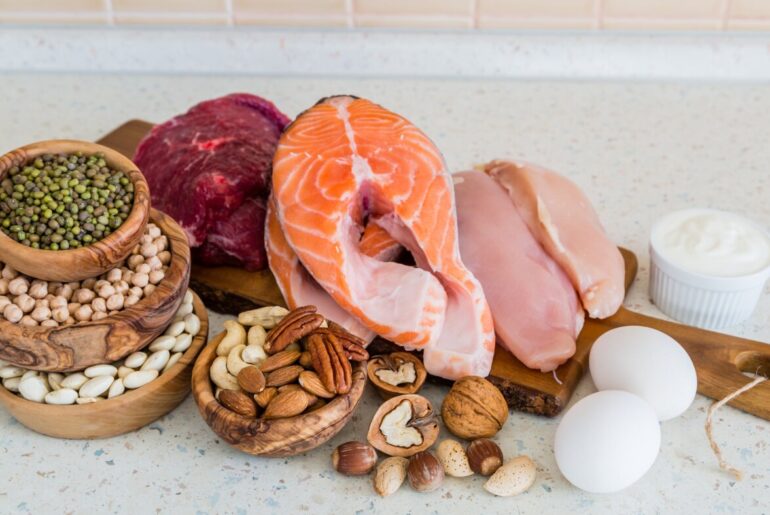
Meat,
poultry, fish, eggs and dairy foods are rich in protein. Even just a 3-ounce
serving of chicken breast supplies 26 grams. Also, beans and lentils,
tofu, nuts and seeds have a healthy dose of protein. Unlike protein
powders, these foods don’t just give you protein, you get vitamins, minerals,
healthy fats and fiber.
Even
your morning smoothie can be given a protein punch without turning to powders.
You can add protein to smoothies by blending in nuts or nut butters, seeds like
chia or flax, Greek yogurt, cottage cheese or tofu.
And don’t feel like you need to load up on protein in one
meal — spreading it out across breakfast, lunch and dinner helps your body use
it more effectively.
Consumer Reports says that while many people focus on
protein, fiber is the nutrient that most adults are missing. The Daily Value for fiber is
28 grams, and most people don’t get enough.
More from Consumer Reports: