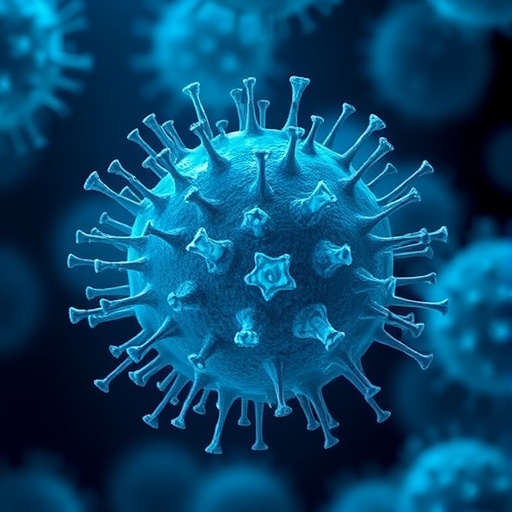
COVID-19 continues to evolve, and new variants remain part of that cycle. The latest variant gaining attention is officially known as SARS-CoV-2 Variant BA.3.2, or more commonly called the “Cicada” variant. Like other recent subvariants, such as Nimbus and Stratus, BA.3.2 is part of the ongoing evolution of the virus, with mutations that may influence how easily it spreads and how the immune system responds.
As of early February 2026, “BA.3.2 was detected in nasal swabs from four travelers, three airplane wastewater samples, clinical samples from five patients and 132 wastewater samples from 25 U.S. states,” according to the U.S. Centers for Disease Control and Prevention.
“Monitoring the spread of BA.3.2 provides valuable information about the potential for this new SARS-CoV-2 lineage to evade immunity from a previous infection or vaccination,” the CDC says. Meaning, the agency is watching how BA.3.2 spreads to learn if it can infect people who already have some protection from COVID vaccines or past illness.
As COVID-19 and other respiratory viruses continue to circulate, understanding the Cicada variant — its symptoms, how it spreads and how to protect yourself — can help you make informed decisions for your health.
What Is the COVID-19 Cicada Variant (BA.3.2)?
The Cicada variant (BA.3.2) is a newer Omicron-related subvariant identified through global and U.S. monitoring systems. Like other recent strains, it has evolved with mutations that may influence how easily it spreads and how the immune system responds.
The CDC is currently evaluating BA.3.2 for:
Transmissibility: How quickly it spreads
Immune evasion: Ability to partially bypass prior immunity
Clinical impact: Severity of illness and outcomes
At this stage, BA.3.2 is being monitored and has not been classified as a high-concern variant, meaning there is no evidence it causes more severe disease than recent strains.
Is the Cicada Variant More Contagious?
Early data suggests the BA.3.2 “Cicada” variant may spread easily from person to person similar to other recent Omicron subvariants.
Health experts note:
It may have a slight transmission advantage in certain settings
It can infect individuals with prior immunity (from vaccines or past infection)
Protection against severe illness remains strong, especially for those up to date on vaccines
Overall, while the Cicada variant may contribute to seasonal increases in cases, it does not currently appear to dramatically change the risk landscape.
COVID Cicada Variant Symptoms
Health experts say that the BA.3.2 “Cicada” variantdoesn’t seem to cause any new or unusual symptoms compared to other Omicron COVID‑19 variants. Right now, health organizations are mostly tracking how the virus spreads and changes, rather than listing new symptoms.
Most common symptoms:
Cough
Fatigue or low energy
Fever
Body aches
Additional symptoms may include:
Sore throat
Runny nose or congestion
Headache
Shortness of breath
Nausea or reduced appetite
Brain fog or difficulty concentrating
Loss of taste or smell is now less common but still possible.
Protect Yourself from the BA.3.2 “Cicada” Variant
The BA.3.2 variant spreads like other COVID-19 variants. You can stay safe by:
Getting vaccinated and boosted
Wearing a good mask (N95 or KN95) indoors in crowded spaces
Keeping rooms ventilated
Washing your hands often
Avoiding people who are sick
Being extra careful if you have health conditions or are older
Checking local COVID levels before traveling or going to events
These steps are especially important during cold and flu season.
Treatment Options for the Cicada Variant (BA.3.2)
If you test positive for BA.3.2, most people can recover at home. Ways to feel better include:
Taking antiviral medicine (like Paxlovid) if a doctor recommends it, especially for people at higher risk
Getting plenty of rest and drinking fluids
Using over-the-counter medicine for fever or body aches
Following isolation rules to keep others from getting sick
When to See a Doctor for COVID-19
Most people with COVID-19 have mild symptoms, but sometimes medical help is needed.
Call your doctor if you have:
Fever over 103°F (100.4°F in children) that lasts more than a few days
Symptoms that get worse after starting to feel better
Trouble drinking enough fluids (especially in kids)
Go to the emergency room if you have:
Chest pain or pressure that doesn’t go away
Severe trouble breathing
Confusion or trouble staying awake
Signs of dehydration (very little urine, dizziness)
Oxygen levels under 95 percent
People who are older, have chronic health problems, or have weak immune systems should contact a doctor early, even if symptoms are mild.
BA.3.2 is a new version of the COVID-19 virus. It can spread easily, but vaccines and treatments still protect most people from getting very sick. Staying up to date on vaccines and following simple safety steps can help you stay safe with this variant.

Pediatric Infectious Diseases
div:nth-child(1) {
flex: 0 0 130px;
}
div.pp-author-boxes-avatar > img.multiple_authors_guest_author_avatar.avatar {
height: auto !important;
}
.pp-multiple-authors-boxes-wrapper.box-post-id-179.pp-multiple-authors-layout-boxed.multiple-authors-target-the-content.box-instance-id-1 .pp-author-boxes-avatar img {
height: auto !important;
} ]]>