By Doug Holl, Defense Health Agency-Public Health
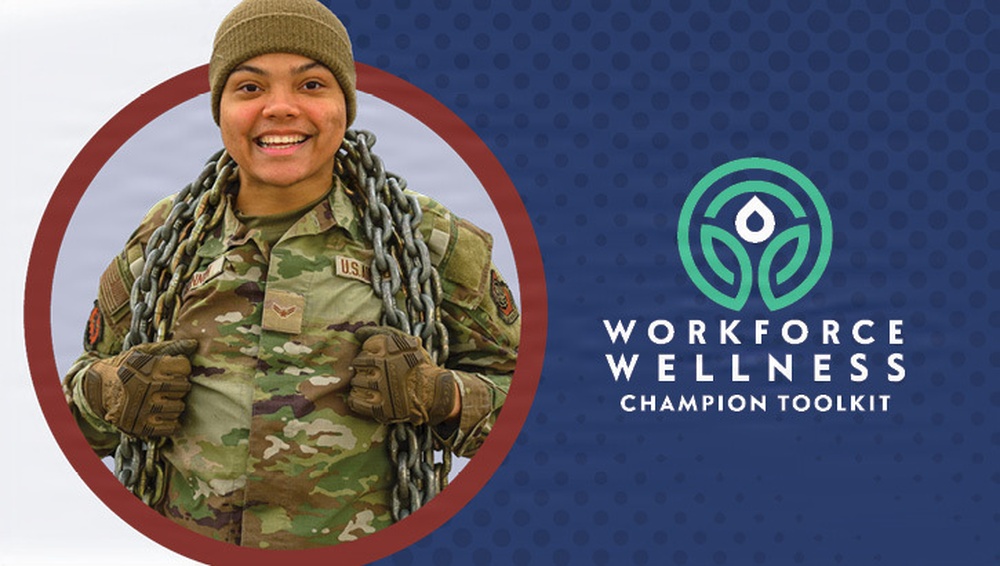
Defense Health Agency-Public Health has launched a comprehensive toolkit that makes it easier than ever for Department of War employees to become Workforce Wellness Champions and create healthier work environments and more resilient workers.
“The toolkit, hosted on a CAC-enabled information portal, supports DHA’s mission of improving health and readiness by providing the resources that help to establish programs and services that promote well-being of the workforce,” said Lt. Col. Julianna Jayne, director of Health Promotion and Wellness for DHA-PH in Aberdeen, Maryland.
The toolkit aims to help users develop effective workforce wellness programs within military hospitals and clinics and other military organizations.
Topics for worksite wellness programs include:
Physical fitness and nutrition
Stress management and mental health
Substance abuse prevention
Injury prevention
Tobacco cessation
The public health goals for DHA-PH are to protect the force, promote health, and be ready to respond.
“The Workforce Wellness Champion Toolkit has the capability to assist with each of these goals,” explained Wendy LaRoche, health systems specialist for DHA-PH. “It provides resources for clinical professionals who render services at the military medical treatment facilities and for nonclinical employees within military organizations.”
Supporting military readiness
The toolkit aligns with multiple strategic initiatives including the Department of Defense Instruction 1010.10, Health Promotion and Disease Prevention, said LaRoche. This instruction provides guidance for implementing health promotion and disease prevention programs to improve and sustain military readiness and the health, fitness, and quality of life of service members, medical beneficiaries, and civilian DOW employees in both peacetime and conflict.
How the new toolkit helps
The Workforce Wellness Champion Toolkit removes the guesswork from creating effective wellness programs.
“The toolkit was developed with the user in mind, and we’ve worked to ensure the language is user-friendly,” said LaRoche.
The toolkit provides a clear five-step process for Workforce Wellness Champions:
Step 1: Collaborate – Build partnerships that support wellness programs.
Step 2: Assess needs – Identify health and safety topics for your workforce.
Step 3: Plan and implement – Select activities and create action plans.
Step 4: Evaluate – Measure program success and impact.
Step 5: Adjust and communicate – Improve programs and share results.
“We have developed a corresponding workbook that the user can download from the toolkit,” said LaRoche. “The workbook follows the sequential steps on the website, allowing the user to take notes along the way, documenting progress to help get to the desired outcome.”
What is a Workforce Wellness Champion?
Workforce Wellness Champions are individuals who coordinate activities that promote health, well-being, and safety within military organizations, said LaRoche. Champions can serve in clinical or nonclinical roles and may be assigned to or volunteer for the position. Examples of potential champions include:
• Nurses and dietitians
• Health promotion coordinators
• Mental health professionals
• Safety personnel
• Administrative staff
• Information technology professionals
• Human resources specialists
• Fitness professionals
Health-promoting activities may include webinars, weight loss programs, stress management sessions, fitness initiatives, health coaching, and wellness challenges.
Why wellness champions are needed now
Wellness champions can make a real difference at a time when health and well-being are so closely connected in our daily lives and work, said Jayne.
“Wellness champions promote health by supporting the whole person,” she said. “This includes physical, mental, emotional, and social well-being, not just managing symptoms or treating disease after it appears. A proactive approach to wellness contributes to better long-term health and an improved quality of life. It also helps foster a culture that values prevention, readiness, and overall well-being as key partners to medical treatment.”
Military organizations face the same challenges as other workplaces when it comes to employee retention and engagement. However, when financial resources are limited, creative solutions are essential, said LaRoche.
“Our goal with the new toolkit is to ensure all employees have access to effective wellness resources,” said LaRoche. “This ensures champions have access to evidence-informed resources to develop wellness initiatives to benefit all employees.”
Why become a wellness champion?
Serving as a Workforce Wellness Champion offers both personal and professional benefits while supporting critical national defense missions, said LaRoche.
These benefits include:
• Developing leadership and program management skills
• Learning about health and wellness topics
• Making a positive impact on colleagues’ lives
• Building networks across the organization
• Gaining experience with evidence-based program development
• Enhancing job resume with wellness and safety experience
• Demonstrating initiative and leadership to supervisors
• Developing skills transferable to other roles
• Contributing to employee retention efforts
• Supporting organizational mission achievement
Getting started
Jayne encourages potential champions to access the Workforce Wellness Champion Toolkit today and begin their journey toward creating a healthier workplace and more resilient workers.
“Your leadership in this area is a valuable contribution to your colleagues, our organization, and the mission,” said Jayne.
Resources:
· Workforce Wellness Champion Toolkit
· Centers for Disease Control and Prevention Workplace Health Promotion
The Defense Health Agency supports our Nation by improving health and building readiness—making extraordinary experiences ordinary and exceptional outcomes routine.