In the second of a series on challenges facing Hong Kong’s growing autistic population, Anthea Rowan examines the complexities of the autism spectrum, from the latest gut-health research to the move from awareness towards acceptance.
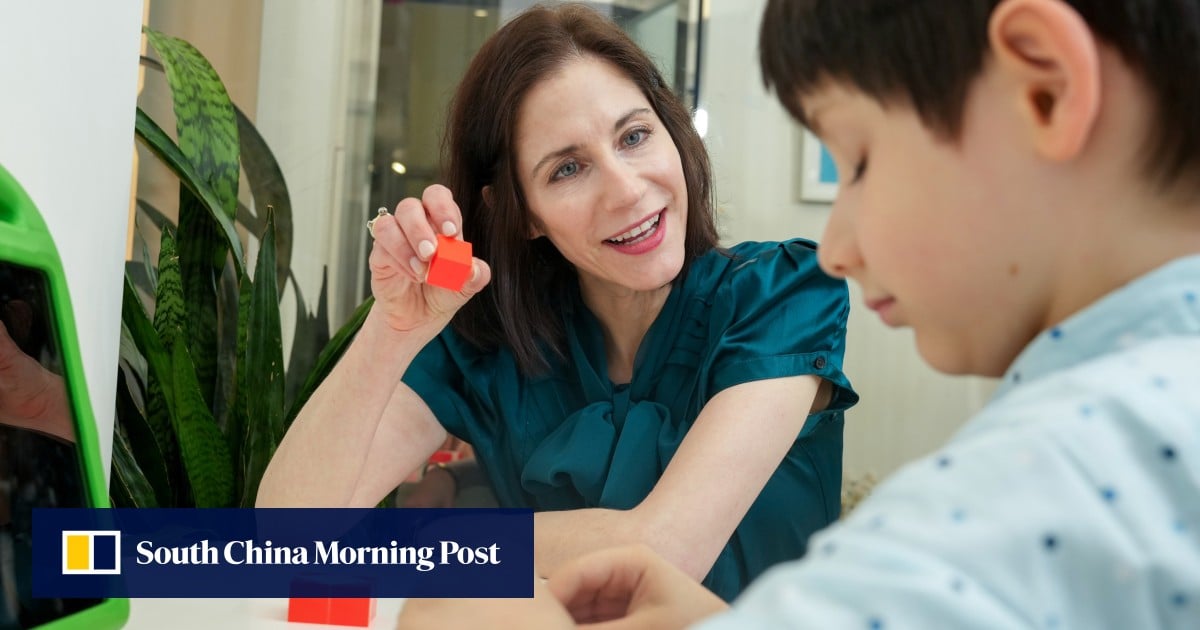
While at university studying psychology and theatre, Dr Amanda Oswalt Visher worked with a three-year-old non-speaking autistic boy at an early childhood intervention centre. She noticed his movements were not random but followed a consistent pattern. To communicate with him, she taught herself and the boy sign language.
The boy acquired signs faster than she did. One day, when his mother arrived, the boy signed: “I love you.”
“As I translated, her eyes welled up,” says Oswalt Visher, now director of psychological services at Spot Children’s Therapy Centre in Hong Kong. “She had worried she might not ever know if he loved her, and this was the first time she felt really connected.”
For Oswalt Visher, that moment was transformative.
“I was hooked. I knew this was what I wanted to do for the rest of my life.”
Understanding the spectrum