Hybrid Fitness Market
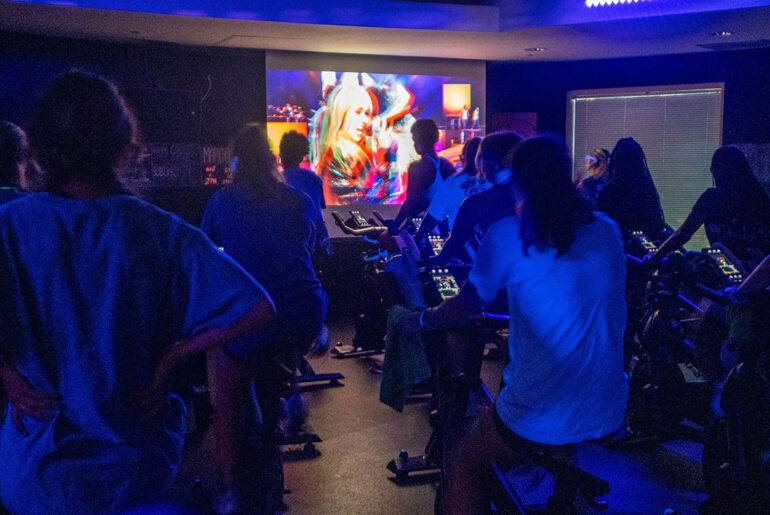
The Hybrid Fitness Market has effectively ended the decade-long debate between at-home connected workouts and traditional brick-and-mortar gyms. As of early 2026, the market recognizes that the modern consumer demands both. Hybrid fitness is now defined as a fluid, omnipresent ecosystem where a user might take a high-intensity interval class at a boutique studio on Tuesday, execute a strength training session in their garage using a smart mirror on Thursday, and complete an AI-guided recovery yoga session on their smartphone while traveling on Friday. This market is driven by the technological synchronization of these distinct environments. Wearable technology and universal software profiles now act as the connective tissue, seamlessly carrying a user’s biometric data, personal bests, and workout history across different equipment brands and physical locations. The industry has transitioned from selling access to a single room or a single bike to selling “Fitness-as-a-Service,” a comprehensive lifestyle subscription that optimizes human performance regardless of where the user is physically located.
Get Sample: https://marketresearchcorridor.com/request-sample/16247/
Recent Developments
March 2026 and The Universal Equipment Sync Protocol: A landmark consortium of the world’s largest commercial gym franchises and leading smartwatch manufacturers ratified an open-source data protocol. This technology allows a user’s smartwatch to instantly handshake with commercial treadmills, smart dumbbells, and home bikes across different brands. The seamless flow of data finally eliminates the fragmentation of workout tracking, allowing AI coaching algorithms to analyze the entirety of an athlete’s hybrid routine in one centralized digital ecosystem.
January 2026 and The Brick-and-Mortar Digital Acquisitions: In a massive industry consolidation phase, several legacy big-box gym chains executed aggressive acquisitions of struggling, post-pandemic connected fitness hardware startups. By absorbing these digital-first companies, traditional gyms launched fully integrated hybrid memberships. A single monthly fee now grants users access to physical club locations globally, alongside premium home hardware and on-demand streaming content, successfully bridging the physical-digital divide.
November 2025 and Hyper-Localized Corporate Subscriptions: Major global human resources platforms rolled out specialized hybrid fitness stipends. Recognizing that the hybrid work-from-home model is permanent, employers shifted away from subsidizing single corporate gym memberships. They are now purchasing aggregated hybrid passes that allow employees to access a network of local physical studios on office days, while unlocking premium digital fitness subscriptions for remote work days, heavily driving B2B revenue in the sector.
Strategic Market Analysis: Dynamics and Future Trends
The strategic landscape of the hybrid fitness market is currently defined by the transition from hardware to algorithmic coaching. In the early 2020s, the market was obsessed with selling expensive, screen-embedded stationary bikes and treadmills. Today, hardware has been largely commoditized. The value has aggressively shifted to the software layer. Consumers are paying for Artificial Intelligence that acts as a continuous personal trainer. This AI ingests data from a morning studio workout, analyzes the user’s overnight sleep recovery via a smart ring, and dynamically generates a personalized, 20-minute bodyweight routine for the living room the next day.
Operationally, there is a decisive move toward the “Asset-Light Hub” model for physical gyms. Because consumers are fulfilling their basic cardio needs at home or outdoors, physical gyms are shrinking their square footage of treadmills and expanding their specialized strength, recovery, and community spaces. Brick-and-mortar locations are transforming into high-end experiential hubs featuring cold plunges, saunas, and heavy Olympic lifting platforms-facilities and equipment that are too expensive or spatially prohibitive for the average consumer to replicate in a home gym.
Looking forward, the future outlook centers heavily on Spatial Computing and Augmented Reality. As mixed-reality headsets become lighter and sweat-resistant, the living room is being transformed into a deeply immersive boutique studio. Users can see real-time holographic leaderboards, virtual avatars of their friends working out next to them, and highly accurate 3D form-correction overlays, replicating the intense, communal energy of a physical spin or boxing class without leaving the house.
SWOT Analysis: Strategic Evaluation of the Market Ecosystem
Strengths
The absolute core strength of the hybrid fitness market is unparalleled Consumer Flexibility. By offering high-quality workouts across multiple modalities and locations, hybrid platforms virtually eliminate the traditional excuses for skipping a workout, such as bad weather or travel. This flexibility results in significantly higher long-term adherence rates. Furthermore, the recurring revenue model of digital subscriptions, when paired with the high-margin personal training and community aspects of physical gyms, creates a highly resilient, diversified cash flow that protects operators from localized economic downturns or seasonal attendance drops.
Weaknesses
A significant weakness is Subscription Fatigue. Consumers are increasingly overwhelmed by the sheer number of monthly recurring charges in their lives. Asking a user to pay for a physical gym membership, a digital streaming app, and a premium wearable data subscription simultaneously often leads to budget consolidation and churn. Additionally, the high upfront cost of creating a truly seamless hybrid ecosystem-requiring custom software development, API integrations, and the purchase of smart commercial equipment-places a crippling capital expenditure burden on independent, single-location gym owners.
Opportunities
A massive opportunity exists in the Medicalization of Fitness. As hybrid platforms gather continuous, clinical-grade data on heart rate variability, VO2 max, and sleep architecture, they are perfectly positioned to partner with healthcare providers. Prescribing a hybrid fitness subscription as a preventative treatment for obesity or hypertension, backed by insurance reimbursement, unlocks a multi-trillion-dollar healthcare market. There is also profound opportunity in the Gamification of movement, utilizing Web3 and digital reward systems to pay users in digital currency or premium apparel discounts for consistently hitting their hybrid training goals.
Threats
The primary existential threat to the market is the rapid proliferation of GLP-1 weight loss drugs. As millions of consumers achieve rapid weight loss via pharmaceuticals, the traditional marketing hook of the fitness industry-exercising to lose weight-is losing its efficacy. The market must rapidly re-educate consumers on the necessity of hybrid fitness for muscle preservation, bone density, and mental health, rather than just calorie burning. Another critical threat is Data Privacy; as platforms aggregate highly sensitive health and location data, a single high-profile cyber breach could permanently destroy consumer trust in connected fitness ecosystems.
Drivers, Restraints, Challenges, and Opportunities Analysis
Market Driver – The Hybrid Work Era: The permanent establishment of hybrid working models-where employees split time between the office and home-is the primary engine of this market. Consumers require a fitness routine that mirrors their erratic geographical schedules, driving absolute demand for memberships that offer equal value in both digital and physical realms.
Market Driver – The Rise of the “Hybrid Athlete”: Culturally, the definition of fitness has shifted. Consumers no longer identify solely as a “runner” or a “weightlifter.” The modern consumer wants to run a marathon and lift heavy weights. This cross-disciplinary athletic ambition requires access to diverse equipment and specialized coaching that can only be satisfied by a comprehensive hybrid fitness ecosystem.
Market Restraint – The Cost of Living Crisis: In an environment characterized by sustained global inflation, premium fitness is highly vulnerable. When household budgets tighten, expensive connected fitness hardware and dual-tier memberships are often categorized as luxury, discretionary spending, leading to immediate subscription pauses or cancellations in favor of free outdoor exercise.
Key Challenge – Community Building in a Digital Void: The central psychological challenge for hybrid platforms is replicating the authentic human connection of a physical gym. While digital high-fives and leaderboards are engaging, they often fail to foster the deep, retention-driving friendships formed through physical suffering and shared experiences in a brick-and-mortar studio. Bridging this digital-to-physical social gap remains the ultimate operational challenge.
Click Here, Download a Free Sample Copy of this Market: https://marketresearchcorridor.com/request-sample/16247/
Deep-Dive Market Segmentation
By Component
Hardware
1.1 Commercial Smart Gym Equipment
1.2 At-Home Connected Devices (Smart Mirrors, Bikes)
1.3 Wearable Biometric Sensors and Trackers
Software
2.1 Digital Streaming and On-Demand Content Platforms
2.2 AI-Driven Coaching and Programming Algorithms
2.3 Aggregation and Booking Marketplaces
Services
3.1 In-Person Group Training and Boutique Classes
3.2 1-on-1 Virtual and Physical Personal Training
3.3 Nutritional and Recovery Consulting
By Training Modality
Strength and Conditioning
1.1 Free Weights and Functional Rigs
1.2 Digital Resistance Machines
Endurance and Cardiovascular
2.1 Treadmills, Rowers, and Ergometers
2.2 Outdoor GPS-Tracked Routing
Mind-Body and Recovery
3.1 Yoga, Pilates, and Mobility Streaming
3.2 Physical Cold Plunge and Sauna Access
By Delivery Model
The Aggregator Model
1.1 Third-Party apps granting access to multiple physical studios and digital catalogs.
The Vertically Integrated Model
2.1 Brands owning the physical hardware, the digital software, and the physical studio spaces.
The Digital-First Hybrid
3.1 Software platforms that partner with agnostic hardware and commercial gyms.
By End User
Individual Retail Consumers
1.1 At-home enthusiasts and digital nomads.
Corporate Wellness Programs
2.1 Enterprise HR departments purchasing bulk hybrid access.
Commercial Gyms and Studios
3.2 B2B buyers upgrading their facilities to support hybrid tracking.
Regional Market Landscape
North America: The United States remains the highly capitalized, undisputed vanguard of the hybrid fitness market. Silicon Valley drives the software and hardware innovation, while massive private equity investments fuel the consolidation of boutique studios and digital platforms. The market is hyper-competitive, characterized by consumers who are willing to pay significant premiums for highly polished, celebrity-led streaming content paired with access to ultra-luxury physical recovery spaces.
Europe: The European landscape is fundamentally defined by Aggregation and Active Commuting. Rather than buying expensive home hardware, European consumers heavily favor subscription aggregators like Urban Sports Club, which provide access to thousands of independent physical gyms and swimming pools across the continent, supplemented by mobile apps. The strong culture of cycling and walking in European cities also heavily integrates outdoor, unstructured movement into the hybrid data ecosystem.
Asia-Pacific: This region, with a specific focus on India and China, is the most explosive growth frontier for hybrid fitness. India is experiencing a massive cultural shift toward preventative health and strength training among its rapidly expanding, tech-savvy urban middle class. The market here is aggressively mobile-first. Because living spaces in mega-cities like Mumbai and Shanghai are generally too small for bulky connected fitness equipment, the hybrid model heavily relies on sophisticated AI mobile apps guiding bodyweight workouts at home, seamlessly paired with highly affordable, modernized physical gym chains for heavy lifting.
Middle East: Transformed by visionary government health initiatives and vast sovereign wealth, the Middle East is rapidly becoming the luxury capital of hybrid fitness. Nations like the UAE and Saudi Arabia are building massive, futuristic “Wellness Cities” that completely integrate digital health tracking with elite physical performance centers. The region serves as a highly lucrative market for the absolute highest tier of hybrid fitness, focusing heavily on longevity, biohacking, and premium, tech-enabled personal training.
Competitive Landscape
The Vertically Integrated Titans:
Companies like Peloton have violently pivoted from pure at-home hardware to content syndication and strategic partnerships with commercial gyms and hotels. Apple dominates the digital tracking layer with Apple Watch and Fitness+, creating an inescapable, highly sticky ecosystem that physical gyms are forced to integrate with.
The Brick-and-Mortar Evolvers:
Legacy giants such as Planet Fitness, Equinox, and Anytime Fitness have aggressively built or acquired their own digital platforms. They leverage their massive physical real estate footprints as the ultimate competitive moat, offering free digital streaming as a value-add to retain physical members who are traveling or working from home.
The Aggregators and Corporate Enablers:
Platforms like ClassPass, Gympass (Wellhub), and Strava serve as the essential connective tissue of the market. They do not own the gyms or make the hardware; they own the consumer relationship and the data routing. These companies are capturing massive B2B revenue by becoming the default wellness providers for global corporate human resource departments.
Strategic Insights
Hardware is a Trojan Horse: The strategic realization of 2026 is that nobody makes sustainable profit on fitness hardware. The connected bike or the smart mirror is merely a low-margin Trojan Horse designed to get into the consumer’s living room. The true enterprise value, and the focus of all venture capital, is the high-margin, recurring software subscription and the monetization of the intimate health data that the hardware collects.
The Recovery Revolution: Overtraining is out; recovery is in. The fastest-growing segment of the hybrid fitness market is not exercise, but rest. Consumers are utilizing digital apps to track their sleep debt and heart rate variability, and then visiting specialized physical studios for hyperbaric oxygen therapy, IV drips, and infrared saunas. Positioning a hybrid brand as a “Holistic Performance” company rather than a “Sweat” company is the ultimate strategic differentiator.
The AI Accountability Coach: The biggest reason people quit fitness is a lack of accountability. The next strategic frontier is the deployment of Generative AI agents that text, call, and check in on users with the empathy and persistence of a human personal trainer. By automating motivation, hybrid platforms will solve the historical churn problem that has plagued the fitness industry since its inception.
Get Sample: https://marketresearchcorridor.com/request-sample/16247/
Contact Us:
Avinash Jain
Market Research Corridor
Phone : +91 750 750 2731
Email: Sales@marketresearchcorridor.com
Address: Market Research Corridor, B 502, Nisarg Pooja, Wakad, Pune, 411057, India
About Us:
Market Research Corridor is a global market research and management consulting firm serving businesses, non-profits, universities and government agencies. Our goal is to work with organizations to achieve continuous strategic improvement and achieve growth goals. Our industry research reports are designed to provide quantifiable information combined with key industry insights. We aim to provide our clients with the data they need to ensure sustainable organizational development.
This release was published on openPR.