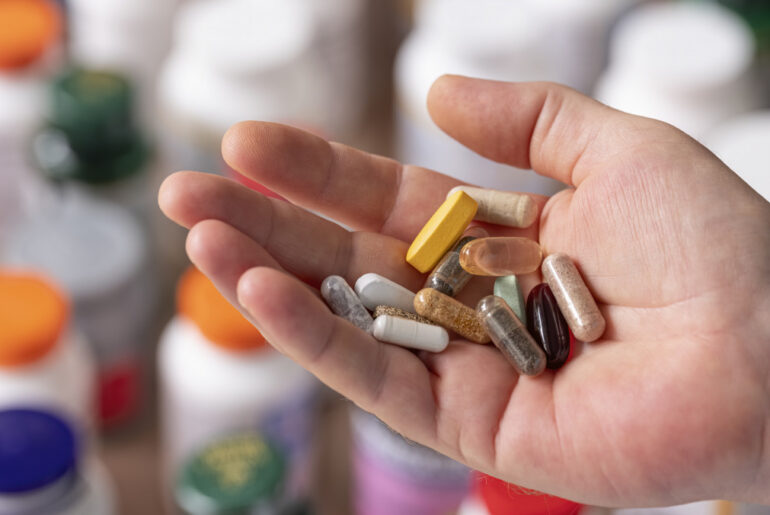
Dew it for your health?
While water is essential to life — it serves as building material for cells, helps regulate body temperature and lubricates joints — many Americans aren’t hydrating enough.
Adding one supplement, though, can provide an extra boost to help you reach your water goals and keep your body functioning properly and running more efficiently.
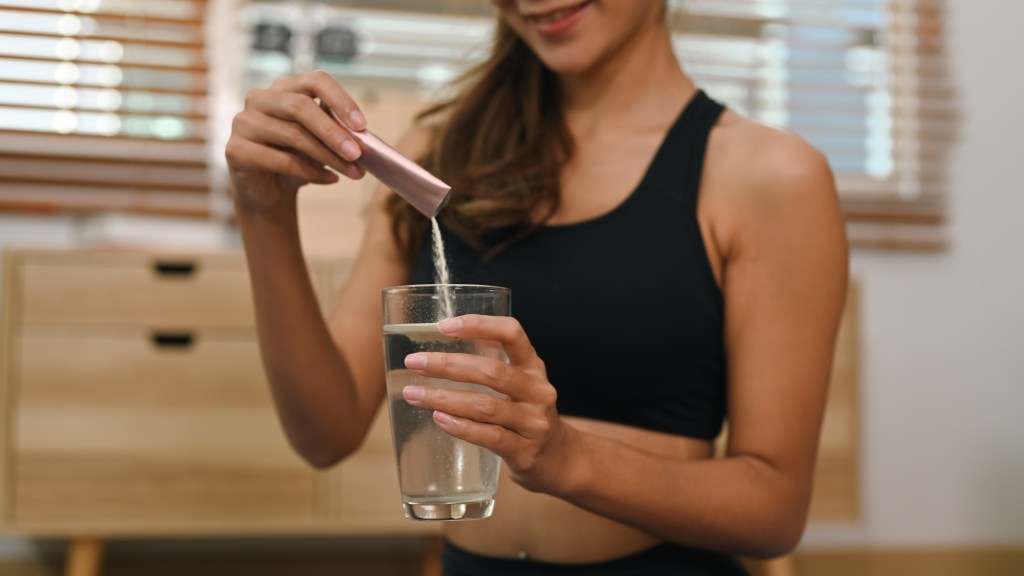 While water is essential, many are dehydrated — a problem that may be fixed with one underestimated supplement. Prathankarnpap – stock.adobe.com
Experts generally recommend consuming ½ an ounce to 1 ounce of water per pound of your body weight daily and even more if you’re exercising.
Dehydration can really sneak up on us, according to Dr. Erin Barrett, director of product innovation and scientific affairs at Shaklee Corporation.
“I think so often with wellness, we know what we should be doing, but we have a hard time doing it,” Barrett told The Post. “And water is one of those things that is a basic physiological need, and just most of us aren’t getting the water that we need.”
Rather than just recommending more water, Barrett takes it one step further by suggesting adding electrolytes.
These essential minerals — such as sodium, potassium, calcium and magnesium — keep the body hydrated, muscles functioning and energy levels up.
And when we don’t get enough, we can develop muscle cramps, fatigue and weakness and even more serious issues like an irregular heartbeat or low blood pressure.
Barrett said electrolytes are helpful for more than just dealing with signs of dehydration like fatigue, dizziness, headaches and dry skin.
“Hydration is so important for delivering everything throughout your body,” she said. “If you’re not well-hydrated, you’re not going to be efficiently delivering oxygen and nutrients and all the things that your peripheral tissue needs to function.”
 Adding electrolytes to water could help improve hydration, helping our bodies function properly and run efficiently. Gorodenkoff – stock.adobe.com
Supplementing is often recommended during an intense workout, if you’re sick or when you’re experiencing excessive sweating, vomiting or diarrhea.
Look for white lines on the armpits of your shirts, as this could be a sign that you’re a salty sweater and are losing salt.
“The whiter the lines, the more salt you’re losing,” Benjamin Nevares, a certified personal trainer and owner of I.E. Health, previously told The Post.
Barrett added that this supplement is often underrated in the role it plays in supporting hydration’s effects.
“It kind of comes back to why it’s so underestimated,” she explained. “It’s almost like you’re giving your body the things that it needs, but are you actually delivering it to the parts of your body that need it? If you’re not super well-hydrated, then you’re just not as efficient doing that.”
Adding an electrolyte supplement like Liquid I.V. or LMNT to water is one way to improve hydration. Other experts note that you can get your electrolyte fill by eating a nutritious and balanced diet.
Foods and drinks packed with electrolytes include many fruits and vegetables like kiwis, spinach, oranges and avocados, as well as potatoes, milk, tuna, brown rice, almonds, pumpkin seeds, quinoa, cheese, yogurt and tofu.
Some quick fixes can be pickles or coconut water — or even just adding a pinch of salt to a meal.