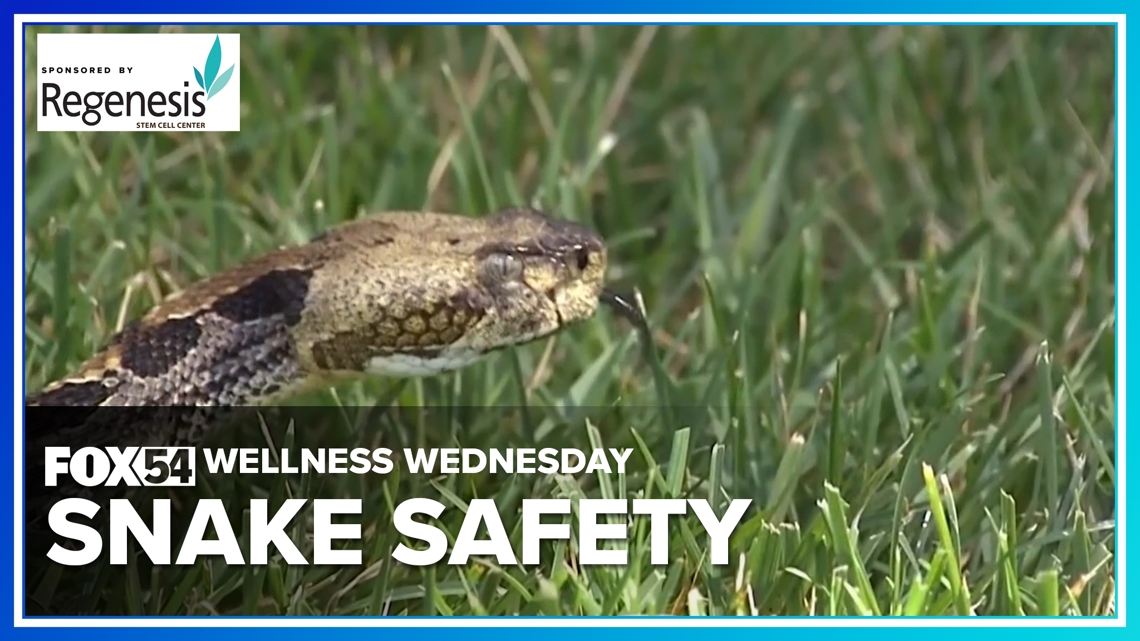
Hikers in North Alabama are warned of venomous snakes like copperheads and cottonmouths. Experts offer safety advice to avoid and handle potential snake bites.
HUNTSVILLE, Ala. — Hikers and outdoor enthusiasts in North Alabama share their trails with some potentially dangerous neighbors — and state wildlife officials want the public to know how to stay safe.
Copperheads, cottonmouths, and timber rattlesnakes are among the venomous species that can be found across the region, according to Marianne Gauldin with the Alabama Department of Conservation and Natural Resources.
“These snakes, all three species, are extremely camouflaged, so you may have walked past so many times unawares,” Gauldin said. “But they do avoid contact with people and would prefer not to interact with people.”
Gauldin said most snake bites are preventable — and often the result of human behavior.
“It’s important for you to realize that most snake bites occur when people are moving towards the snake to try to kill it,” she said.
If a bite does occur, Dr. William Rushton with UAB’s Comprehensive Snake Bite Clinic says the first priority is staying calm.
“Take a deep breath. It’s going to be okay,” Rushton said. “We see so many snake bites in the state of Alabama. We have both the technology and the expertise to get you through this with very rare exceptions.”
Rushton advises anyone bitten to move away from the snake safely and get to the nearest emergency department as quickly as possible.
He also recommends calling the Alabama Poison Information Center at 1-800-222-1222, which can help callers identify the snake, advise on next steps and alert emergency personnel ahead of a patient’s arrival.
“If you’re worried about what you do after a venomous snake bite, call us,” Rushton said. “We’ll give you some advice.”