Longevity is no longer just about where people live—it’s increasingly about where they choose to go.
As interest in extending both lifespan and healthspan accelerates, longevity travel is emerging as a distinct category at the intersection of wellness, medicine, and lifestyle. The global wellness economy is now valued in the trillions, with wellness tourism continuing to outpace traditional travel. According to the Global Wellness Institute, it is one of the fastest-growing segments within the broader travel industry. Within that, longevity-focused experiences—from advanced diagnostics to regenerative therapies—are rapidly gaining traction as a distinct and expanding category.
This shift reflects a broader change in how people approach health and travel. Longevity is becoming intentional—actively pursued through a combination of environment, data, and design. Travel is no longer just an escape—it is becoming part of a longer-term strategy for how people want to feel, function, and age.

Luxury wellness retreats in Mexico are increasingly blending relaxation with science-backed longevity programs, from recovery therapies to performance optimization.
getty
As I explored in my reporting on longevity and medical tourism trends, destinations around the world are responding by building ecosystems that blend clinical expertise with high-end hospitality—offering structured programs that go far beyond traditional spa experiences.
I’ve seen this shift firsthand. From the precision-driven programs at Bürgenstock Resort to the clinical rigor of Clinique La Prairie, a small number of destinations have long set the standard for what longevity-focused travel can look like—combining advanced medical insight with deeply personalized care.
But that model is no longer limited to a handful of well-known names.
A growing number of countries are developing their own approach to longevity—bringing together clinics, wellness resorts, and lifestyle-driven experiences that make this space more accessible, and in many cases, more unexpected.
Here are seven destinations where that shift is already underway.
Austria: Europe’s Quiet Longevity Powerhouse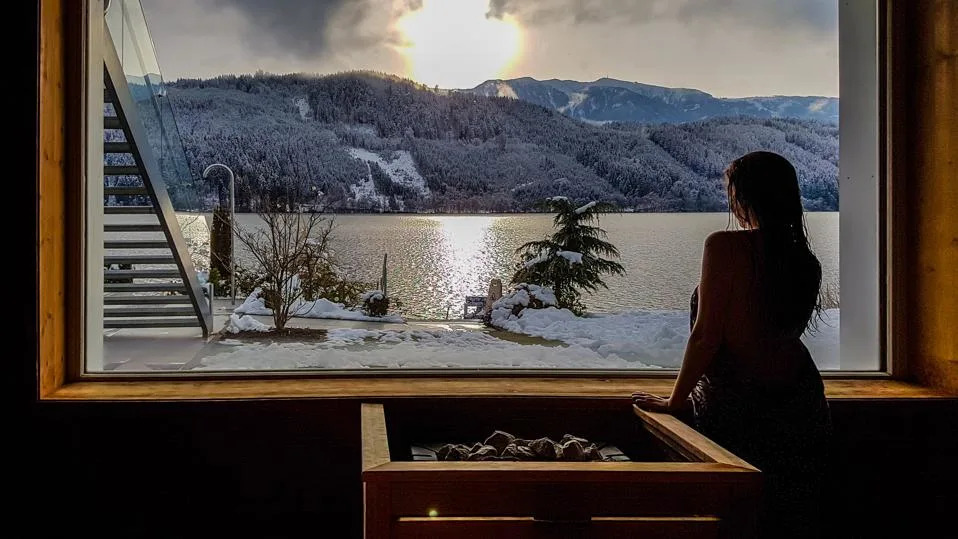
Austria’s alpine wellness retreats combine controlled environments with natural surroundings, offering a more clinical, precision-driven approach to longevity travel.
getty
Austria may not be the first country associated with longevity travel, but it has become one of Europe’s most established destinations for medically grounded wellness.
At the center is Lanserhof, widely recognized for its focus on preventive health, diagnostics, and metabolic optimization. With locations in Lans and Tegernsee, Lanserhof combines modern medicine with a structured, highly personalized approach to long-term health.
What distinguishes Austria is its clinical depth. Programs are designed around measurable outcomes, positioning it as a destination for those seeking more than relaxation—offering a level of rigor that aligns with long-term health strategy.
Thailand: Where Wellness Meets Longevity Science
Thailand has evolved into one of the most developed wellness tourism markets in the world—and increasingly, that includes longevity.
Destinations like Chiva-Som, Kamalaya, and RAKxa Integrative Wellness are expanding beyond traditional spa offerings to include functional medicine, diagnostics, and personalized programs that bridge Eastern and Western approaches.
The result is a model that feels both comprehensive and accessible—where structured longevity programs are delivered within a resort environment designed for restoration.
Mexico: An Emerging Hub For Regenerative Wellness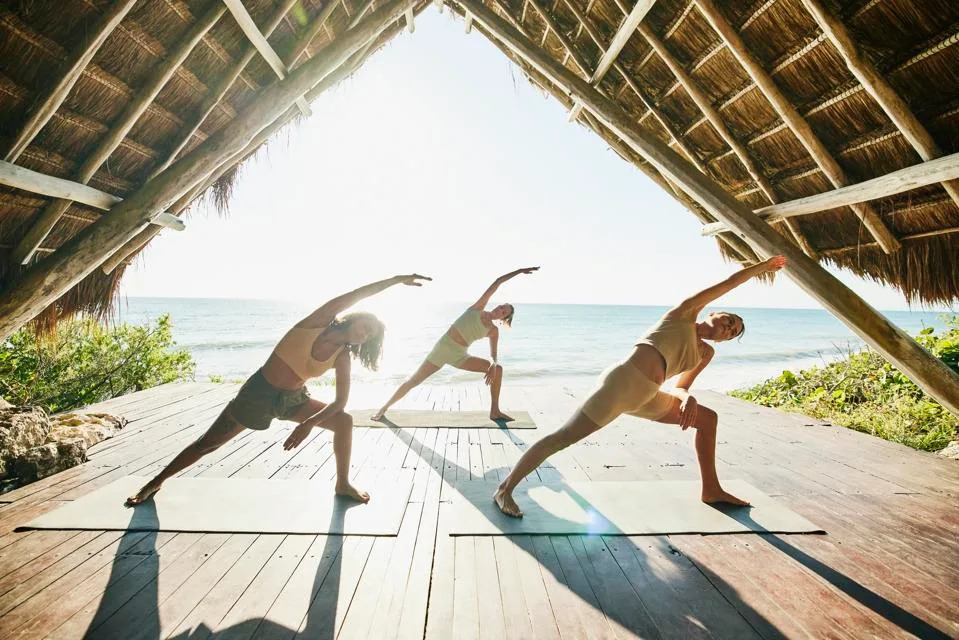
Longevity travel is shifting from passive relaxation to active, performance-driven experiences—where movement, strength, and environment work together.
getty
Mexico is quickly gaining traction as a destination for medical and wellness tourism, with a growing emphasis on regenerative therapies and longevity-focused care.
The arrival of SHA Wellness Clinic in Costa Mujeres has elevated the country’s position globally, bringing a well-established European model of integrative health to a more accessible market. Known for combining medical diagnostics, nutrition, and advanced therapies, SHA represents a shift toward structured, results-driven wellness programs.
Additional centers such as Sanoviv Medical Institute further reinforce Mexico’s role as an emerging player in longevity travel.
Japan: Longevity As A Way Of Life
Japan offers a different perspective on longevity—one rooted less in intervention and more in culture.
In regions like Okinawa, longevity is shaped by daily habits, social connection, and a strong sense of purpose. Wellness experiences across the country often reflect these principles, focusing on balance, routine, and environment rather than clinical treatment.
In this context, longevity is not something to be pursued through programs alone, but something integrated into everyday life.
Portugal: A Rising European Destination For Longevity Travel
Portugal’s coastal regions are emerging as understated hubs for longevity travel, offering a balance of natural environment, slower pace, and access to wellness-focused living.
getty
Portugal is emerging as one of Europe’s more accessible destinations for longevity-focused travel, supported by a growing number of dedicated wellness properties.
In the Algarve, the Longevity Health & Wellness Hotel offers programs centered on preventive health, detox, and personalized wellness planning. Nearby, Vilalara Thalassa Resort incorporates therapeutic treatments into a coastal setting designed for longer stays.
Combined with climate, infrastructure, and quality of life, Portugal is increasingly attracting travelers looking to integrate wellness into a broader lifestyle shift.
Vietnam: Affordable Luxury And Nervous System Recovery
Vietnam, particularly along its central coast, is becoming known for a new generation of wellness resorts that prioritize restoration and recovery.
In Da Nang, properties like TIA Wellness Resort and Fusion Resorts focus on stress reduction, sleep, and nervous system regulation—foundational components of long-term health.
While less clinical in approach, Vietnam’s strength lies in its ability to offer consistent, immersive wellness experiences in a more accessible and relaxed setting.
Italy: Longevity Rooted In Lifestyle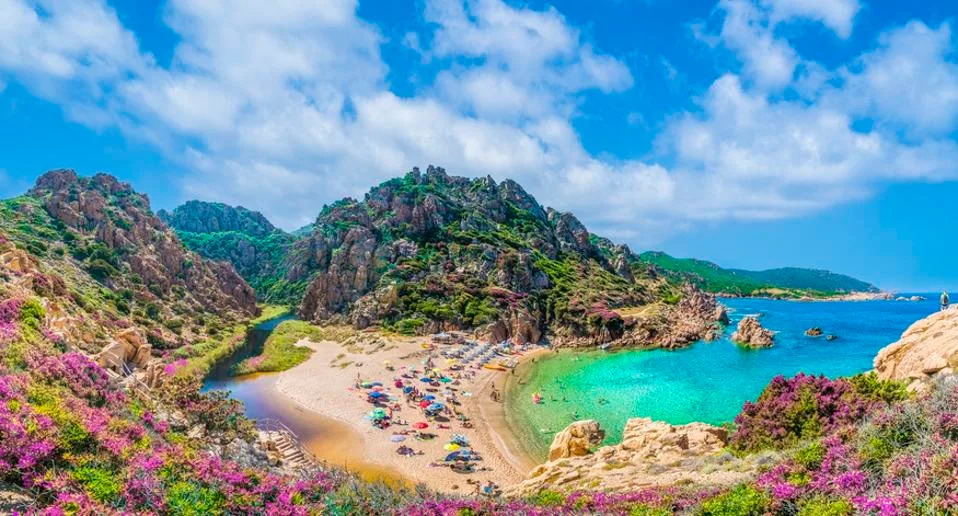
In places like Sardinia, longevity is shaped less by intervention and more by environment, community, and the rhythms of everyday life.
getty
In Sardinia, one of the world’s recognized Blue Zones, longevity is less about intervention and more about environment.
Daily movement, strong social ties, and a Mediterranean diet rich in whole foods have long been associated with the region’s high concentration of centenarians. Resorts like Forte Village now complement that lifestyle with wellness programming, but the core appeal remains unchanged.
As longevity travel evolves, Sardinia serves as a reminder that some of its most powerful drivers remain simple—and deeply human.
The Future Of Longevity Travel Is Global And Personalized
Longevity is no longer tied to a single place or philosophy. It is becoming a global ecosystem shaped by medical innovation, environment, and the everyday decisions that define how people live.
For travelers, that shift brings more than expanded choice—it signals a move toward intention. From clinical programs to immersive wellness experiences, even the decision of where to spend time is becoming part of a broader strategy for long-term health.
Increasingly, living well is not just about how long you live. It is about where and how you choose to do it.
This article was originally published on Forbes.com