
Serviceberry, or amelanchier, is a deciduous, spring-flowering tree or shrub that offers year-round interest in the form of profuse spring blossom, edible berries, and bright fall foliage. It also attracts lots of wildlife to a yard, with many bird species known to eat the berries. Compact varieties of serviceberry can offer all this beauty growing in pots in small spaces, provided you get the conditions right.
If you want to grow a serviceberry in a pot, there are some important points to consider. As well as picking compact forms of these under-rated trees, you also need a large pot, slightly acidic soil, a sunny corner of a deck or patio, and regular watering and feeding. It may sound tricky, but in reality, it isn’t difficult. Get the basics right, and you can have happy shrubs for years.
Article continues below
You may like
1. Pick a Compact Variety
(Image credit: Nadanka/Getty Images)
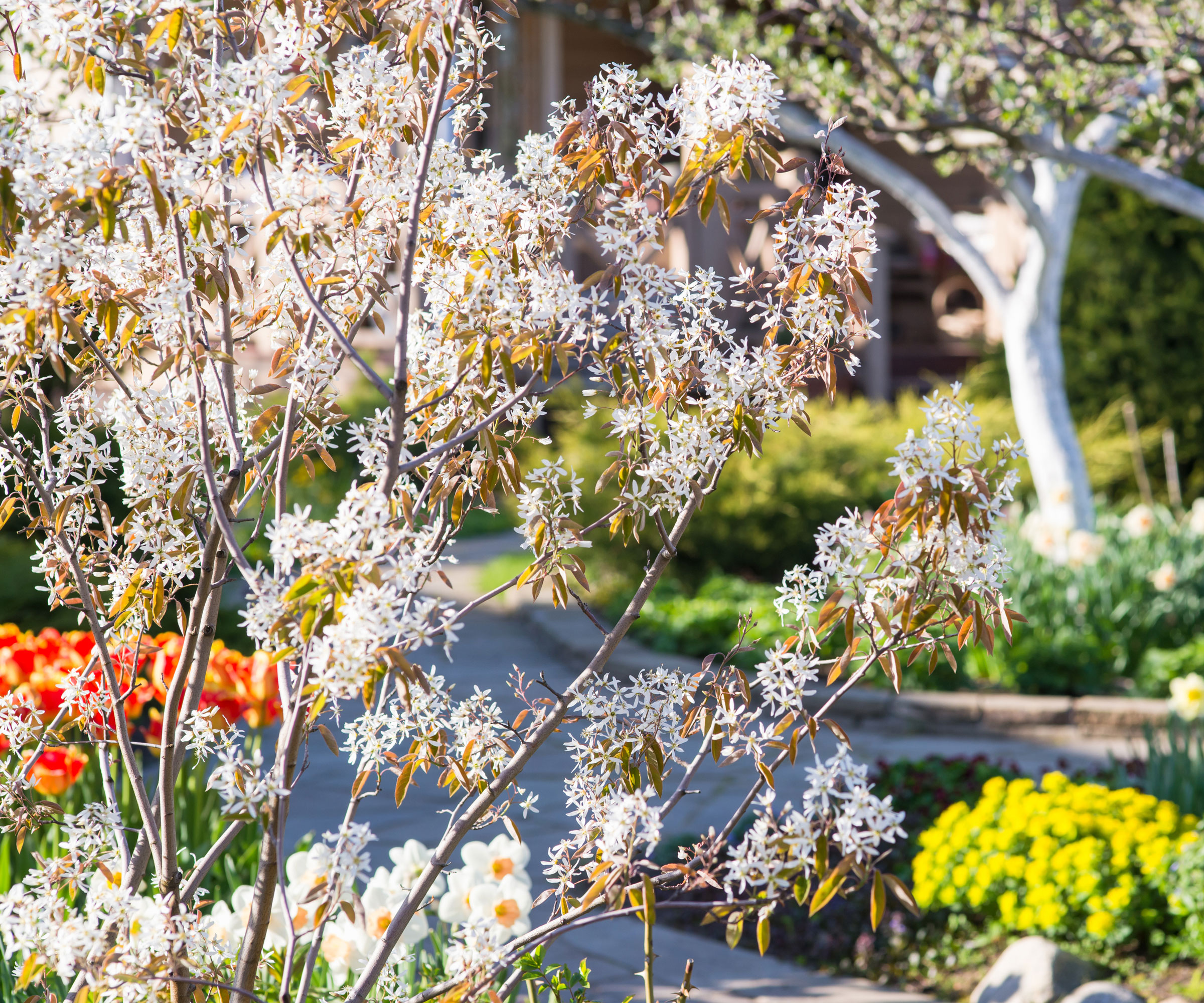
Even a dwarf or compact serviceberry can make a stunning tree for spring blossom. Many serviceberries are native plants to North America and can grow between three and eight feet tall.
These are ideal varieties for growing in containers in smaller spaces, compared with larger-growing trees that reach up to 30 feet.
The dwarf serviceberry (Amelanchier spicata), varieties of saskatoon serviceberry (Amelanchier alnifolia), or Amelanchier laevis ‘Snowflakes’ are all suitable for container growing.
They are low-maintenance small trees that remain compact and can put on a lovely display in containers in a small garden, or on a deck or patio.
You can get live Amelanchier alnifolia plants at Amazon
2. Use a Large Container
(Image credit: Alamy/ lcrms)
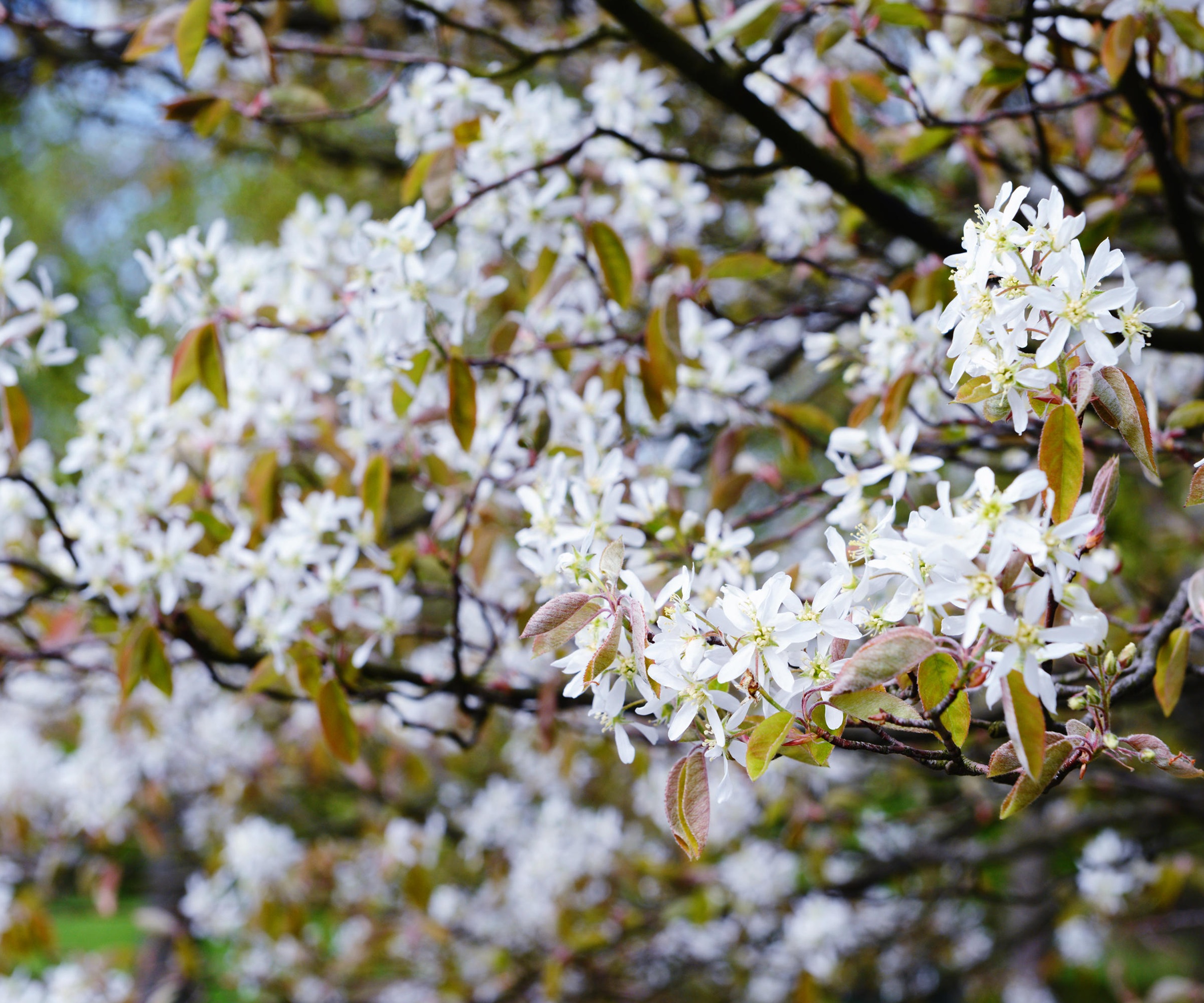
Even compact shrubs for containers benefit from larger pots. They need sizable containers to prevent a 4-6-foot shrub from topping over as the plant grows, especially during windy weather.
Start by planting a serviceberry into a container 18-24 inches wide and deep. Any pot must have drainage holes in the bottom to allow excess water to drain away and prevent root rot.
What to read next
As the serviceberry shrub matures, it may need repotting every few years into a larger container. A large terracotta planter like this handmade Tuscan roll rim planter at Wayfair can be a beautiful, sturdy option for a serviceberry shrub.
Best practise is to pot plants up into slightly larger pots as they mature, rather than using a huge container right away. This avoids excess soil that holds lots of water, which increases the risk of rot.
3. Use Ericaceous Soil
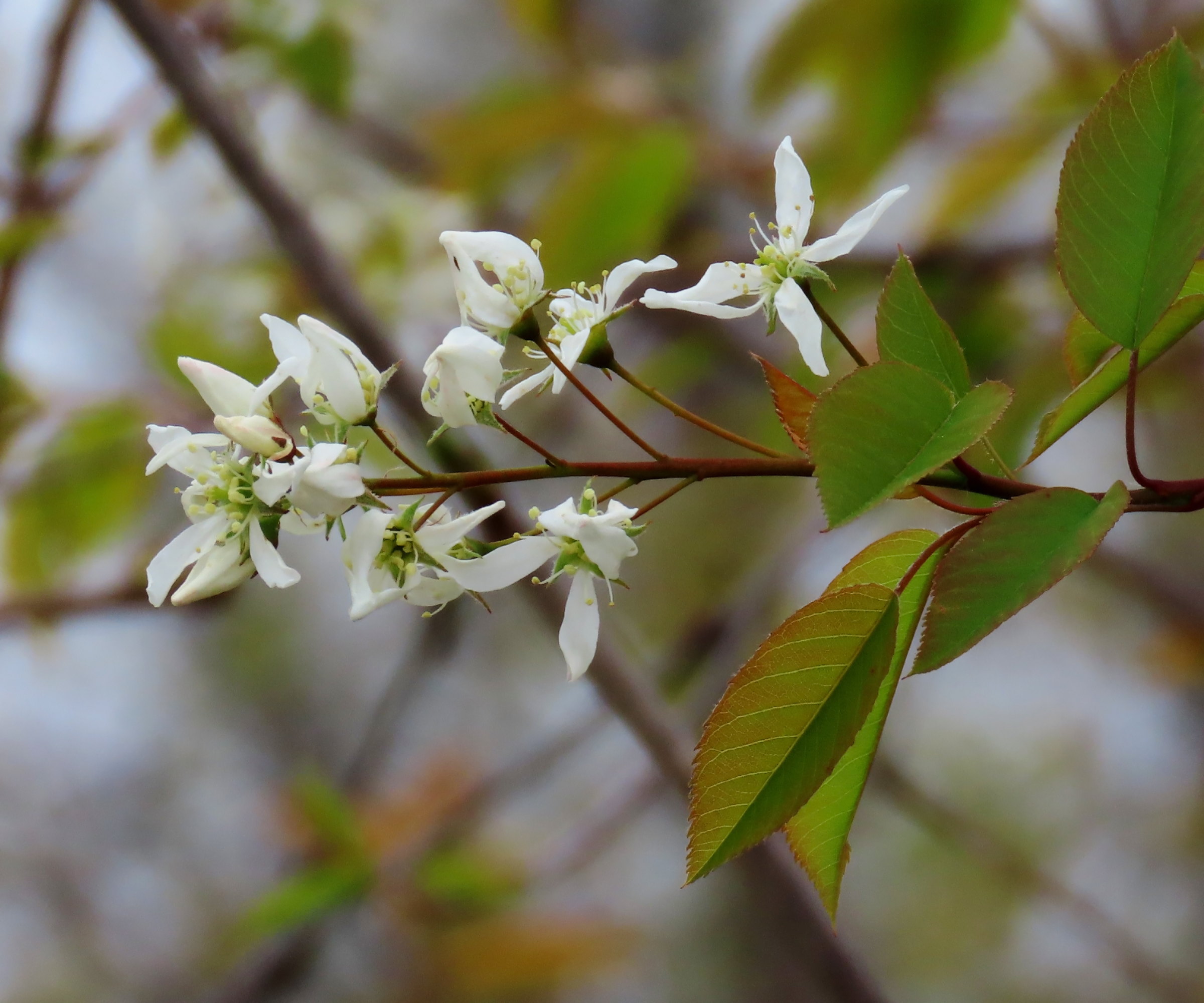
Any chosen container wants to be filled with a light, well-draining potting soil formulated for container gardening. The key with a serviceberry in a pot is to pick an ericaceous loam-based potting compost, as the shrubs prefer slightly acidic to neutral soil.
You can get a bag of planting soil for acid-loving plants at Amazon that is formulated for a low pH to suit those that prefer slightly acidic conditions.
If you opt for a more general-purpose potting mix, there are ways to make the soil more acidic. These include adding homemade compost, aluminium sulfate, or coffee grounds, which can help lower the pH over time.
4. Give the Plant Sun
(Image credit: Alamy / William Leaman)
A serviceberry in a pot likes sun and will perform best in a spot that receives at least six hours of direct sunlight a day. The plant can tolerate part-shade, but the flowering and fruiting will be affected. Less sunlight will mean less flowering and fewer berries.
An ideal spot could be a south-facing garden deck or patio, somewhere without large periods of shade from overhanging trees, buildings, or neighboring fences.
Gardeners in warmer southern climates may prefer to locate their containers in a spot that provides afternoon shade. The plant can get a respite from scorching afternoon sun, and it can reduce how often you need to water to keep the soil moist during the summer.
5. Water and Feed Regularly
(Image credit: Puffin’s Pictures / Alamy Stock Photo)
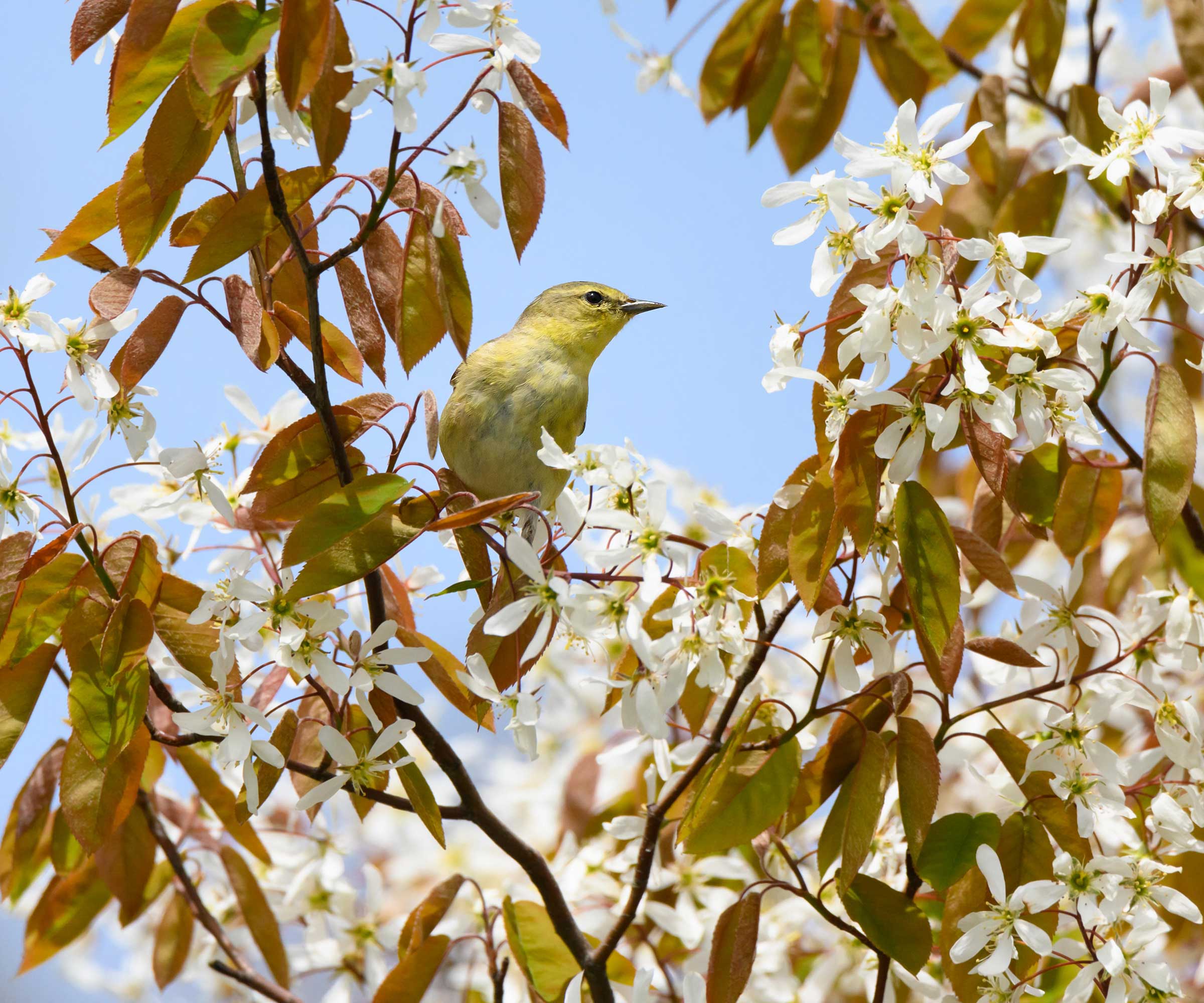
Watering and feeding are key to successfully growing serviceberry in pots, especially to keep plants happy for years. A key point to remember is that plants in containers dry out faster than those in the ground, especially during warm summers. You need to check plants in containers regularly to keep the soil consistently moist but never waterlogged.
When watering plants in containers, check the moisture level a few inches under the soil surface. This can be done with your fingers or a soil moisture meter (you can get a soil moisture meter at Amazon), and you water deeply if the soil feels dry. Water the container until excess moisture runs out of the drainage holes.
To keep the soil more acidic, it is advisable to harvest rainwater. As rainwater typically has a slightly acidic pH, using this natural resource when you water plants helps keep conditions perfect for serviceberry.
When it comes to fertilizing, use a slow-release fertilizer in the spring formulated for acid-loving plants, such as this 8-4-8 acidic fertilizer at Amazon. In addition, a liquid fertilizer, such as this Miracle-Gro plant food, also at Amazon, can be used for supplemental feedings throughout the growing season.

Autumn Brilliance Serviceberry
‘Autumn Brilliance’ is suitable for smaller gardens. It produces white spring blossoms, dark edible fruits, and red-orange foliage in the fall.
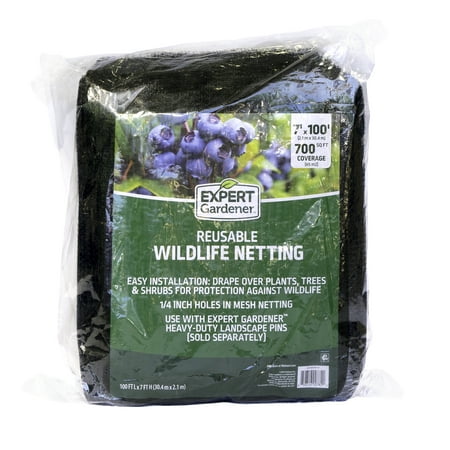
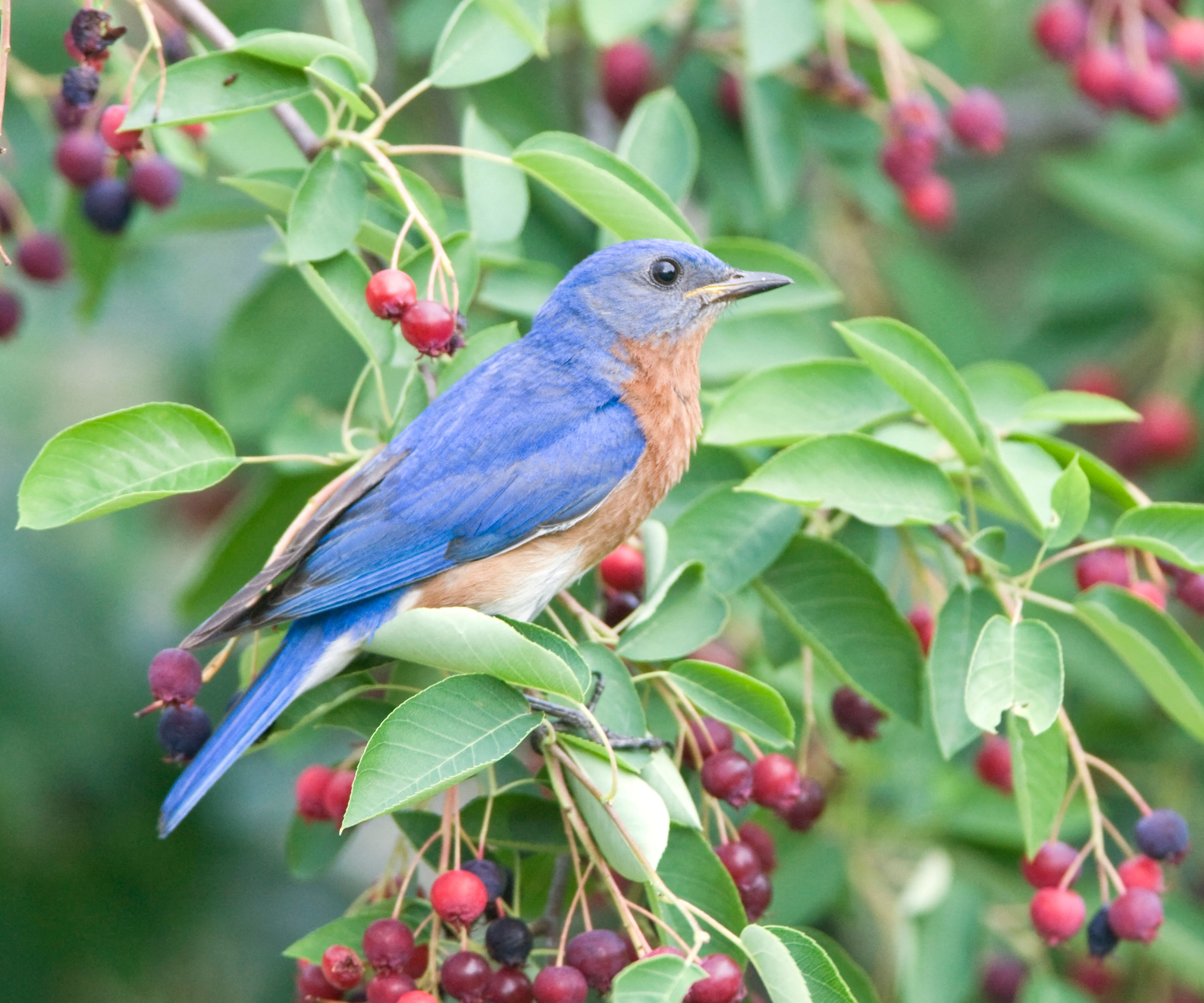
Birds like to eat the serviceberry berries. If you want to harvest the small fruits, wildlife netting like this can be used in early summer to reduce the losses.
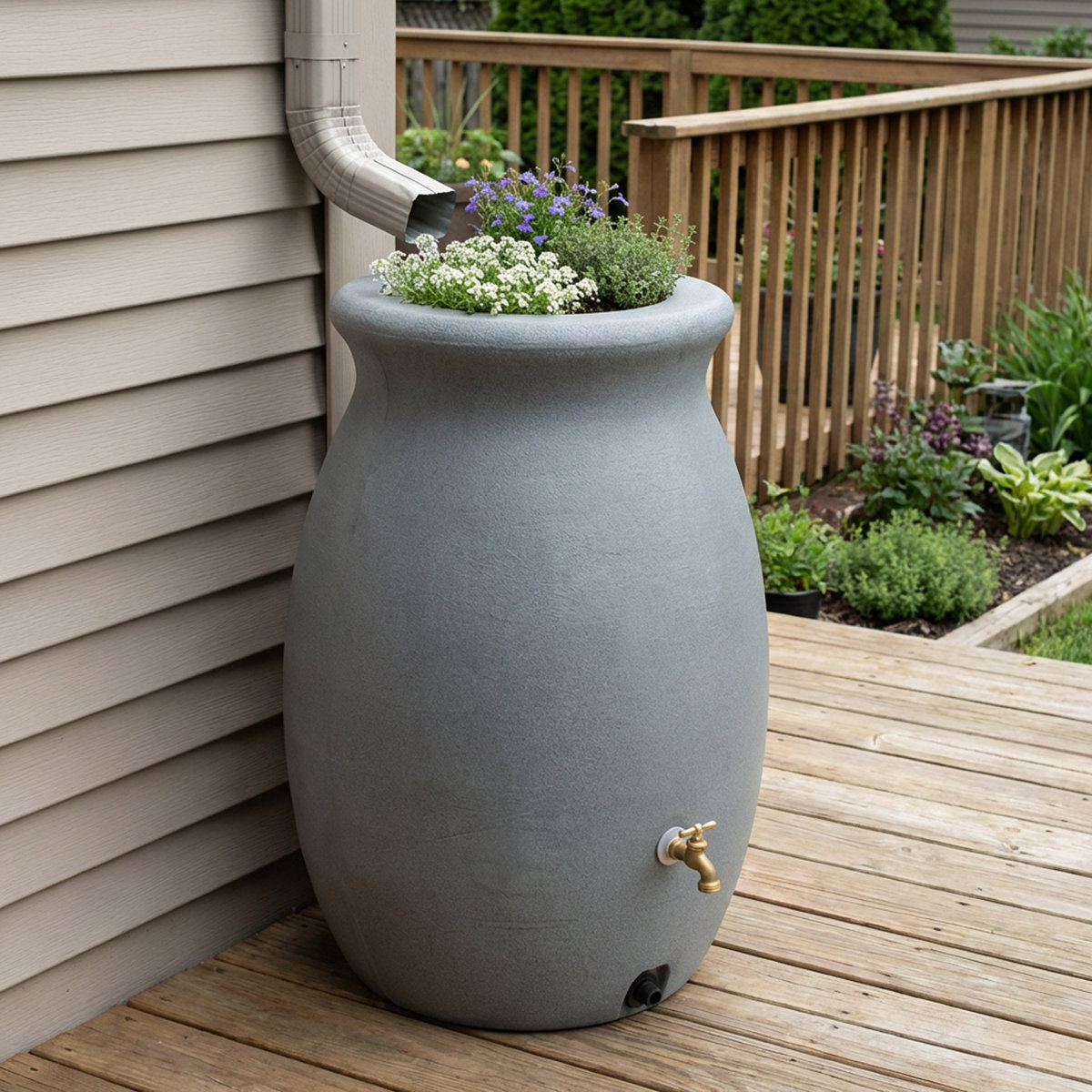
This decorative molded resin rain barrel can hold 50 gallons and connects to typical household downspouts.
Serviceberries can be hardy down to US hardiness zone 2, depending on the species, but the roots of container plants are more vulnerable to cold.
Gardeners in colder climates may need to protect container plants from winter weather by moving them to a sheltered spot or wrapping potted plants for winter with horticultural fleece or burlap. It is also advisable to use pot feet (such as these no-slip pot feet at Walmart) to lift the container off the ground and improve the drainage to prevent waterlogging over winter.
If you love inspiring garden ideas, outdoor advice, and the latest news, why not sign up for our newsletter and get the latest features delivered straight to your inbox?