GLP‑1 medications are changing appetite, behavior, metabolism and meal frequency, and the CPG playbook needs a hard reset, experts shared during Future Food-Tech San Francisco last month.
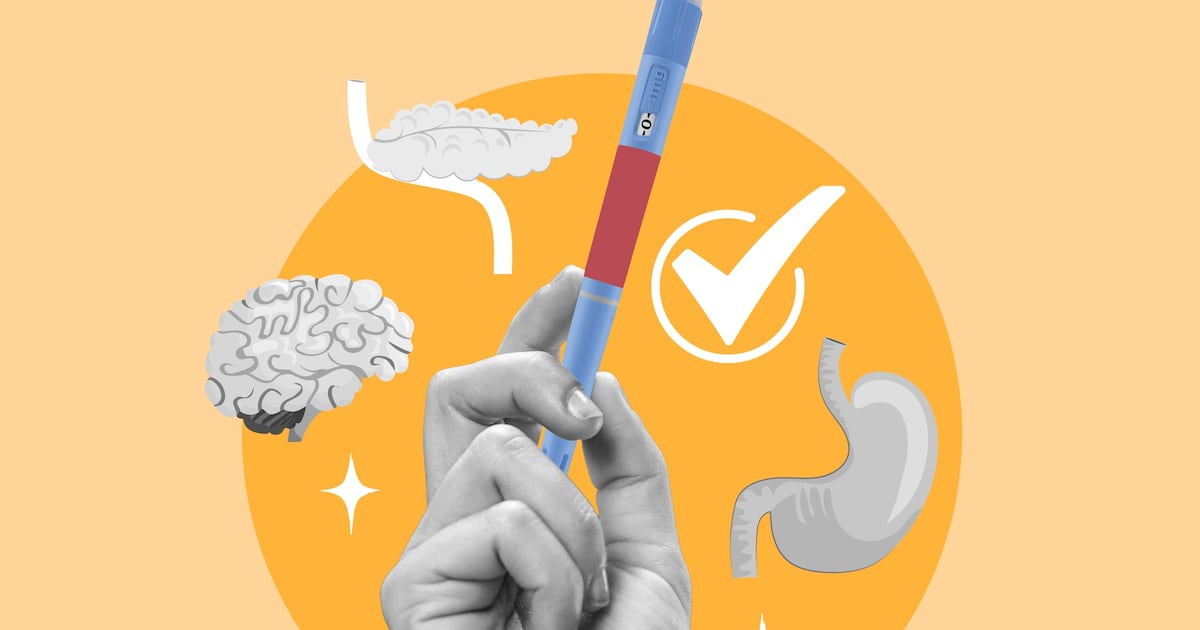
Food design is going through a historic shift as the use of GLP-1 drugs expands beyond diabetes care and into mainstream weight management. As more people adopt these medications, the food industry is being pushed to innovate: developing packaged foods that align with new nutritional needs, changing appetites and altered eating behaviors. From smaller portions to nutrient-dense formulations, product developers are learning in real time how to meet consumers where they are in their GLP-1 journey.
But one thing is clear: the GLP-1 consumer is not a monolith.
GLP-1 users are diverse – and their needs change over time
“We’ve been learning about the consumer. We follow different consumer GLP-1 user experiences, and there’s not one,” emphasized Susan Zaripheh, VP of health and science, Danone. “The GLP-1 consumer is many, many, many consumers.”
Depending on where GLP-1 users are in their weight loss experience, their needs will continue to change – and that creates opportunities for CPG brands to innovate products tailored to each stage.
“The way consumers react to these products is going to change with the new drugs coming on the market,” explained Jennifer Kimmel, head of R&D, Roquette Americas. “That’s going to change what kinds of foods we should put out there.”
As dosages and medication types evolve, so will tastes, tolerances and serving preferences.
“The needs within the market exists,” noted Shay Hilel, CEO of Lembas, a manufacturer of biopeptides. “People are looking for different steps in their journey, and if we offer the solution for that we’ll be able to win the next battle.”
Food won’t replace GLP-1 drugs, but it can support their effects
While foods won’t out-perform the rapidly advancing GLP-1 drugs, it can complement some of the drug’s key impacts, especially around fat and muscle loss.
Side effects are “going to change what kinds of foods we should put out there,” Kimmel said.
Hilel underscored the limits of food’s biological impact.
“We can activate the satiety hormones” through food “but the drugs are 1,000 times higher than food will impact, and they last 5,000 times longer,” he said.
Still, food plays a critical supportive role – especially when it comes to nutrient density.
It’s not just about protein – micronutrient needs are changing
While protein and fiber remain hero ingredients across labels, Fisher warns that not all protein is digestible and too much can harm kidney function and putrefy in the stomach. Instead, product developers should focus on a wider spectrum of macro and micronutrients.
“We’re also deficient in certain micronutrients that actually bind to GLP-1s,” she said. “You need to really test and understand, are you getting enough zinc and copper and magnesium when you’re taking GLP-1s?”
One example of targeted formulation is Danone’s Oikos Fusion dairy drink, which Zaripheh described as “a protective blend designed to preserve muscle during weight loss.”
Oikos Fusion’s contains 23 grams of complete protein, 5 grams of prebiotic fiber and a patented blend of whey, leucine and vitamin D.
“We need to make sure it’s science-based,” Zaripheh advised. “They not only pick up the product but want to pick it up again.”
Ultimately, between new technologies, brands and categories, CPG companies must figure out how to address the “diversity of journeys” for GLP-1 users, she added.