Can fish be shipped far distances safely while preserving essential Vitamin D content? FIU scientists believe a widespread method for preserving other types of food could hold the key.
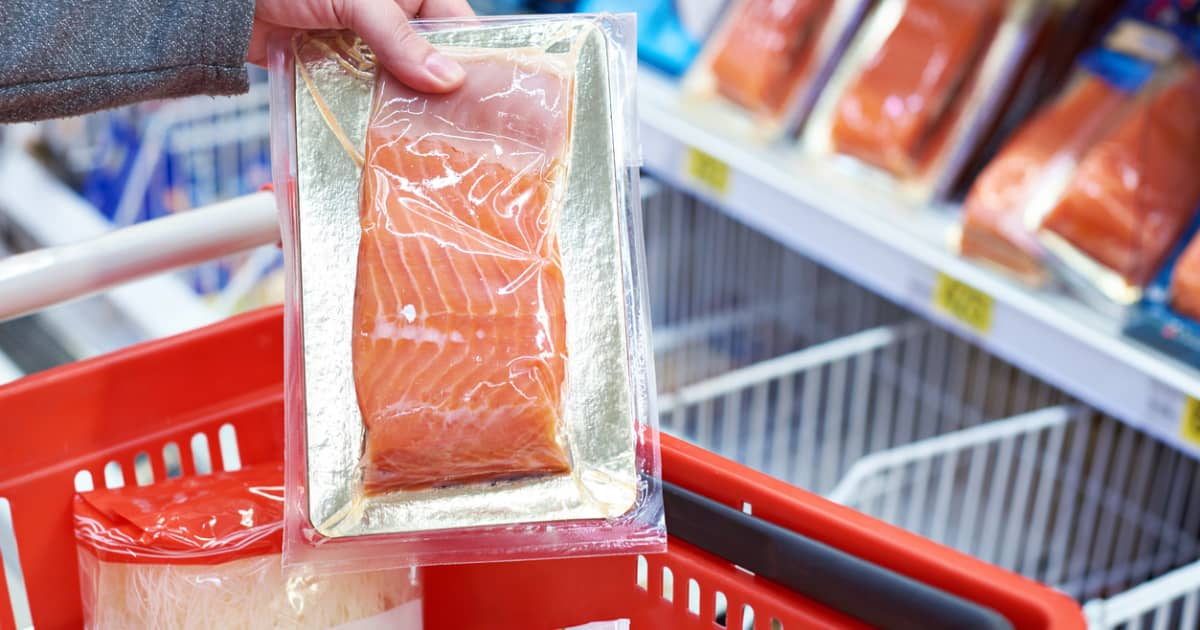
 Fatty fish is a great source of Vitamin D and in high demand, often requiring long distance shipping to reach global populations. This increases the risk of harmful bacteria contamination. Gamma irradiation can kill bacteria in food without damaging the nutrients or taste and is widely used in the food industry — just not for finfish. One of the lingering questions is whether gamma irradiation would damage the fish’s Vitamin D content. For the first time, scientists at Florida International University and Nova Southeastern University put salmon and trout to the test. Vitamin D in trout was significantly more stable during irradiation than Vitamin D in salmon, according to the study published in Plos One. The exact reason for this difference could be due to the varying fat and water content in each fish.
“We want to be able to tell how much Vitamin D is inside and whether it’s an adequate amount for us to actually benefit,” said Leonardo Maya, who was a clinical assistant professor with FIU’s Global Forensic Research Institute and co-author of the study when the research was conducted
Although the findings of this research are preliminary, it’s an encouraging first step to seeking USDA and FDA approval for the preservation method in fish, according to Anthony De Caprio, director of the Forensic Science & Analytical Toxicology Lab in FIU’s Global Forensic and Justice Center. The goal is to come up with a reliable, reproducible method to remove bacteria that would allow long range shipment of fish, while maintaining Vitamin D levels, De Caprio said. Vitamin D is needed for healthy bones, preventing muscle cramps, reducing inflammation, supporting immune function, and regulating cell growth.
Nova Southeastern University associate professors Robert Smith and Jessica Brown, who earned her bachelor’s degree and Ph.D. at FIU, led the research. Their team collected and processed fish samples for Vitamin D extraction and then shipped them to FIU for high-tech analysis using mass spectrometry.
DeCaprio said the research could be extended to other species and compounds, including fatty acids. With promising initial results showing that species like trout are highly resistant to Vitamin D loss, this research paves the way for the food industry to adopt safe preservation techniques that meet global demand without sacrificing nutritional quality. The researchers are currently pursuing additional funding to investigate whether varying fat and water content actually affect Vitamin D stability in different fish species.