Wellness fair focuses on TB and housing for Pacific Islanders
Published 10:30 am Thursday, April 2, 2026
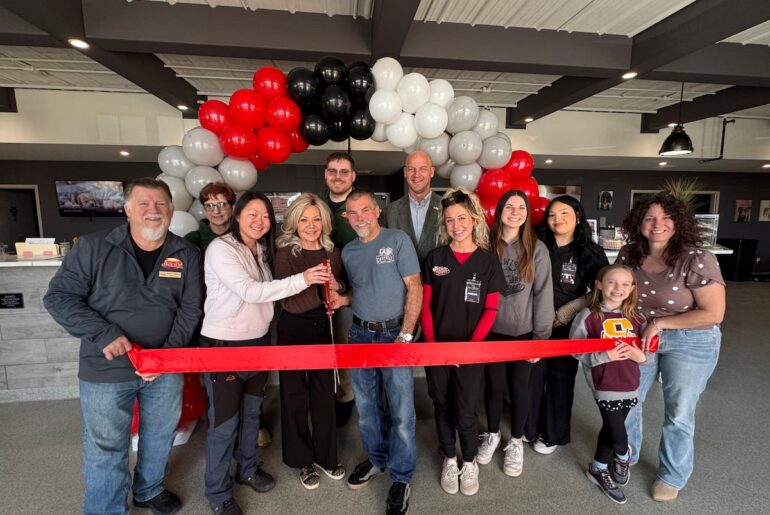
The Pacific Islanders Association of Washington (PICA-WA) held an “Eggcellent” spring wellness event on March 26 at their Federal Way office.
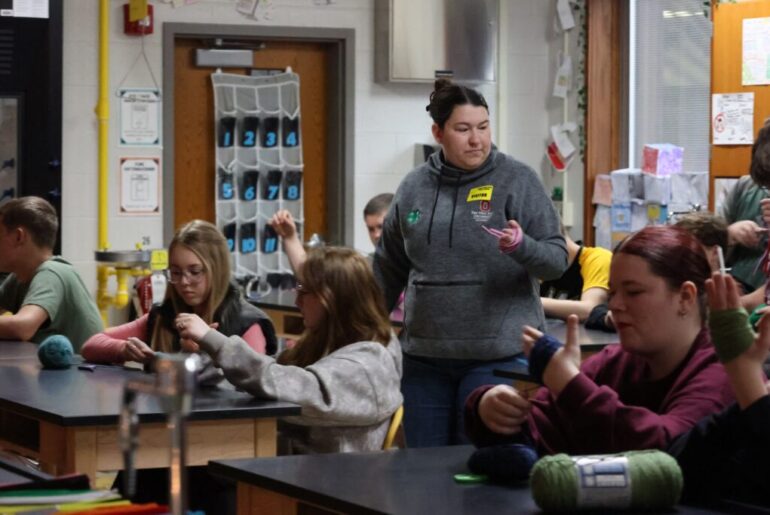
The event included free food, childcare and spring activities and presentations and resources, with one session focused on renters’ rights and and another on tuberculosis (TB), including testing.
Renters’ rights
Representatives from local organization Tenant Organizers and Advocates (TOA) shared information about rights and responsibilities for renters, along with offering one-on-one support.
TOA was founded by Violet Lavatai and is a “dedicated housing and social justice nonprofit organization committed to empowering tenants and transforming the housing industry.”
Access to housing is a big issue in Federal Way and King County, as well as throughout the country.
“Rent assistance is really needed, but there’s just not a lot of housing available, either transitional housing or otherwise. And so that, coupled with high unemployment rates and a lot of cuts to kind of basic needs support, money has tightened up,” PICA-WA executive director Sili Savusa said.
“We work with local cities like Federal Way trying to figure out how to be really creative with these little these pots of money that we create to create capacity for our work with families,” Savusa said.
Wellness Navigators at PICA-WA support community members with housing navigation as well as a variety of other needs like benefits enrollment, notary services, COFA Passport and I-94 support and more.
TB awareness and prevention
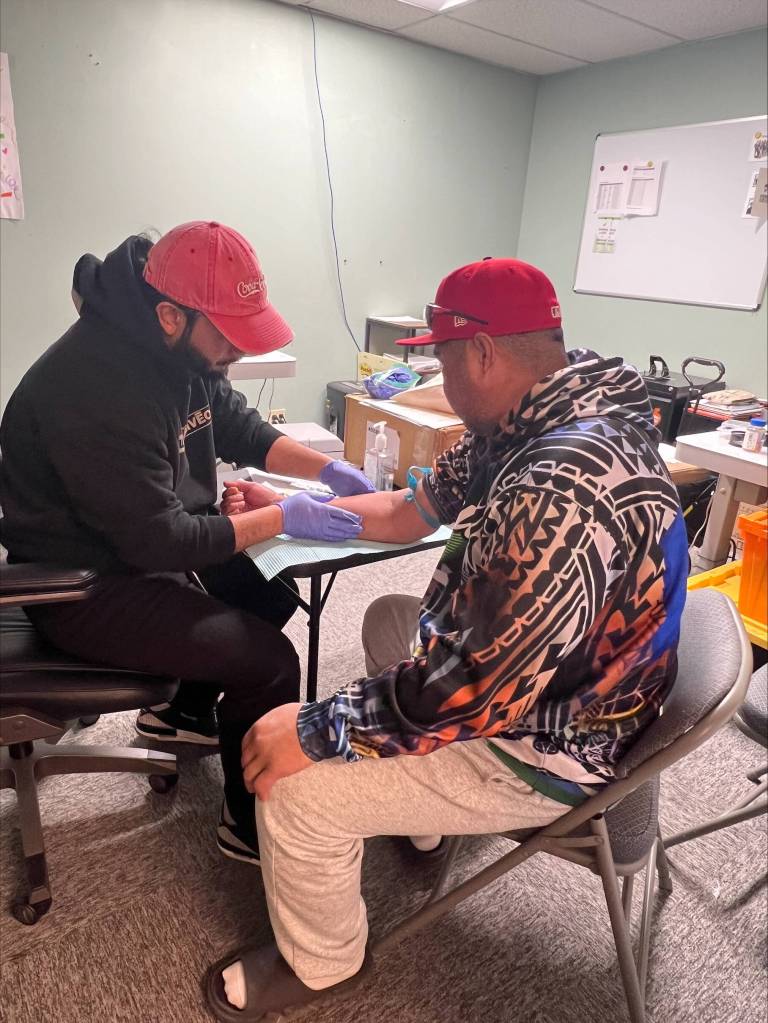
Staff from King County Public Health shared information and testing opportunities around TB at the event. Those who got tested for TB received a gift basket. Healthpoint staff were available to schedule follow-up care or just share local health resources with attendees.
In 2025, South King County cities (Tukwila, SeaTac, Des Moines and Federal Way) had over double the incidence rates (about 9.6 cases per 100,000 people) compared to the King County average of 5.4 cases per 100,000 people, according to the 2025 TB Program Epidemiology and Surveillance Report.
The prevalence of TB in Native Hawaiian/Pacific Islander communities specifically is even higher at 31.8 per 100,000 people, almost six times the King County average.
As a hub for the Pacific Islander community, PICA-WA is a frequent partner with the local department of Public Health for community education, testing and treatment support, Savusa explained.
“They see that there’s a lot of the Micronesian community within the Pacific Islanders have the highest rates … so for this specific event, they were targeting that community to get tested,” Director of Wellness Services Martina Naich said.
Micronesia is a subregion of Oceania, consisting of about 2,000 small islands in the Northwestern Pacific Ocean. The Federated States of Micronesia are made up of four sister states: Chuuk, Pohnpei, Yap and Kosrae. It also includes the Republic of the Marshall Islands and the Republic of Palau.
According to a cultural profile by EthnoMed in 2024, the Marshall Islands have an “extremely high incidence of tuberculosis (TB) disease, at least 100 times higher than the U.S. as a whole.”
Some of the reasons for this high rate are “the history of nuclear testing by the U.S., lack of trust in the U.S. medical system, barriers to healthcare access, and stigma regarding TB,” all of which can “make individuals hesitant to undergo screening,” the report said.
In 2025, 129 patients with active TB disease were reported in King County, an increase from 110 in 2024. In 2025, the incidence rate was 5.4 TB cases per 100,000 people. Since 2020, there has been an increasing trend in number of TB cases reported. TB can be highly infectious, so it is important to screen, treat and identify secondary cases of the disease — which is where community events like the Wellness Fair come in.
This wellness fair is just one example of the many community events hosted by PICA-WA, which also runs a weekly food pantry. Their work focuses on the needs of the Pacific Islander and Native Hawaiian communities and also supports many throughout the community.