Fruit can add a dash of zinc to your diet, an essential mineral that’s key to a strong immune system and a healthy body.
“Fruit isn’t a zinc powerhouse — it’s a fiber powerhouse. But every little bit counts,” Lisa Young, a registered dietitian in New York, tells TODAY.com.
Zinc is very important for immune function, she notes, helping fight off bacteria and viruses. It also helps control infections by moderating the immune response and preventing inflammation that can be “damaging and even deadly,” studies have found.
Zinc is involved with wound healing, taste perception and metabolism, helping to break down carbs.
Men need 11 milligrams of zinc every day, while women need 8 milligrams, according to the National Institutes of Health.
Foods high in zinc include oysters, meat, fish, poultry, seafood and fortified breakfast cereals.
Beans, nuts, whole grains, eggs, and dairy products also provide some zinc — but at the same time, beans and grains contain a naturally occurring compound that reduces how much of the nutrient the body absorbs.
People who eat vegetarian or vegan diets may have trouble getting enough zinc, the NIH notes. So can pregnant and breastfeeding women who need more of the nutrient.
Fruits contain zinc in small amounts, less than 1 milligram per serving, but they can be a tasty complement to other sources, says Young, author of “Finally Full, Finally Slim.”
“People think zinc is really just going to be found in meat and seafood, but if you have a yogurt with some nuts and raspberries, you will get some zinc as well,” she notes.
“When you pair fruit with something that is noted to be higher in zinc, then you could round out a meal or a snack and get more zinc than you think.”
 Kiwi is among fruits that provide a bit of zinc.Westend61 / Getty Images
Here are the fruits that contain the most zinc:
Blackberries1 cup of blackberries, 0.7 milligrams of zinc
Low in calories and carbs, but high in fiber and nutrients, blackberries signal powerful health benefits with their dark color. That rich pigment comes from anthocyanins, bioactive compounds in plants that act as antioxidants.
Blackberries make the list of the best anti-inflammatory fruits and fruits with the most protein.
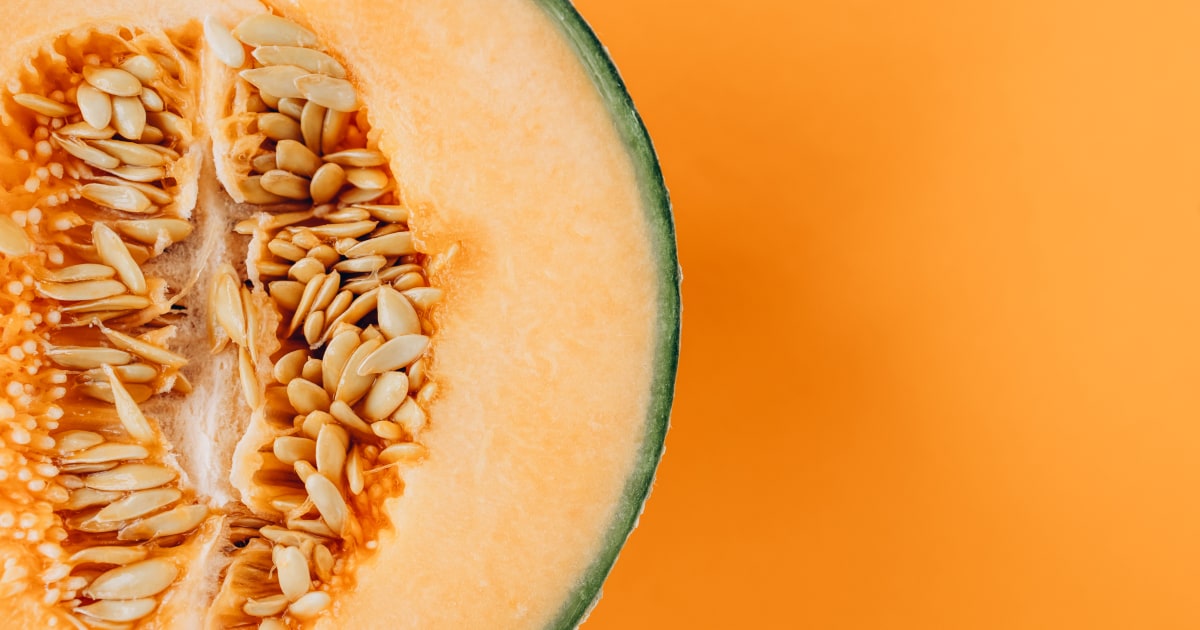
Cantaloupe1 cup of cantaloupe, 0.7 milligrams of zinc
This breakfast favorite is high in beta carotene, an orange pigment that’s also an antioxidant, so it makes the list of fruits with the most vitamin A.
Cantaloupe also contains lutein and zeaxanthin, nutrients that support healthy vision.
Pomegranate1 cup of pomegranate arils, 0.6 milligrams of zinc
The arils, or gem-like seeds inside a pomegranate, provide dietary fiber, fatty acids and essential vitamins and minerals.
Dietitians recommend using them like berries to top Greek yogurt, cottage cheese or salads.
Raspberries1 cup of raspberries, 0.5 milligrams of zinc
Raspberries are perfect on their own, with oatmeal or as a snack to meet your daily fiber needs — they’re the highest whole-food source of fiber, dietitians say. One meal in particular is the best time of the day to eat fiber.
They also provide antioxidants, vitamin C, vitamin K, potassium, manganese and iron.
Guava1 cup of guava, 0.4 milligrams of zinc
This tropical fruit delivers magnesium, another nutrient needed for immune health. Prized for its sweet-tart flavor, it’s perfect for smoothies and can be made into a jam.
Guava is among fruits with more vitamin C than an orange, another way it supports the immune system.
Apricot1 cup of apricots, 0.3 milligrams of zinc
Besides zinc, apricots provide other nutrients rarely found in fruits — calcium and iron.
Their orange color signals lots of beta-carotene, plus a variety of antioxidants including vitamin C and vitamin E.
Avocado1/3 avocado, 0.3 milligrams of zinc
Creamy and filled with healthy fat, research links avocados with heart health, weight management and healthy skin.
A serving of avocado contains 6 grams of unsaturated fat, which has been linked to lowering the risk of heart disease, notes registered dietitian Natalie Rizzo, nutrition editor for TODAY.
Kiwi1 cup of kiwi, 0.2 milligrams of zinc
This bright green fruit is naturally low in sugar, but high in tangy flavor and fiber.
If you don’t mind eating the fuzzy peel, consuming the whole kiwi with the skin on can almost double your fiber intake, and deliver more vitamins and antioxidants.
Dried Figs1/4 cup of dried figs, 0.2 milligrams of zinc
Naturally sweet, figs contain sugar that provides energy for exercise and daily activities in a healthy way — accompanied by vitamins, minerals, antioxidants and plant compounds.
Dried figs also make the list of fruits with the most soluble fiber, which helps lower cholesterol and down digestion, helping to support healthy blood sugar levels.