Got story updates? Submit your updates here. ›
 Workplace IoT devices offer a less invasive approach to employee wellness while still delivering measurable ROI.NYC Today
The IoT healthcare market reached $176 billion in 2025 as enterprises adopt workplace wellness technology. Companies are moving beyond basic step challenges to deploy air quality monitors, posture trackers, smart hydration devices, and environmental sensors that deliver continuous health insights. The key differentiator is integration: without unified data platforms, wellness programs cannot correlate individual health metrics with enterprise-level financial returns or demonstrate clear ROI to stakeholders.
Why it matters
Harvard meta-analyses show well-designed workplace wellness programs generate roughly $3.27 ROI per dollar spent through reduced medical costs and $2.73 through reduced absenteeism. However, the success of these programs depends on integrating data from various IoT devices to uncover population-level trends and deliver actionable insights.
The details
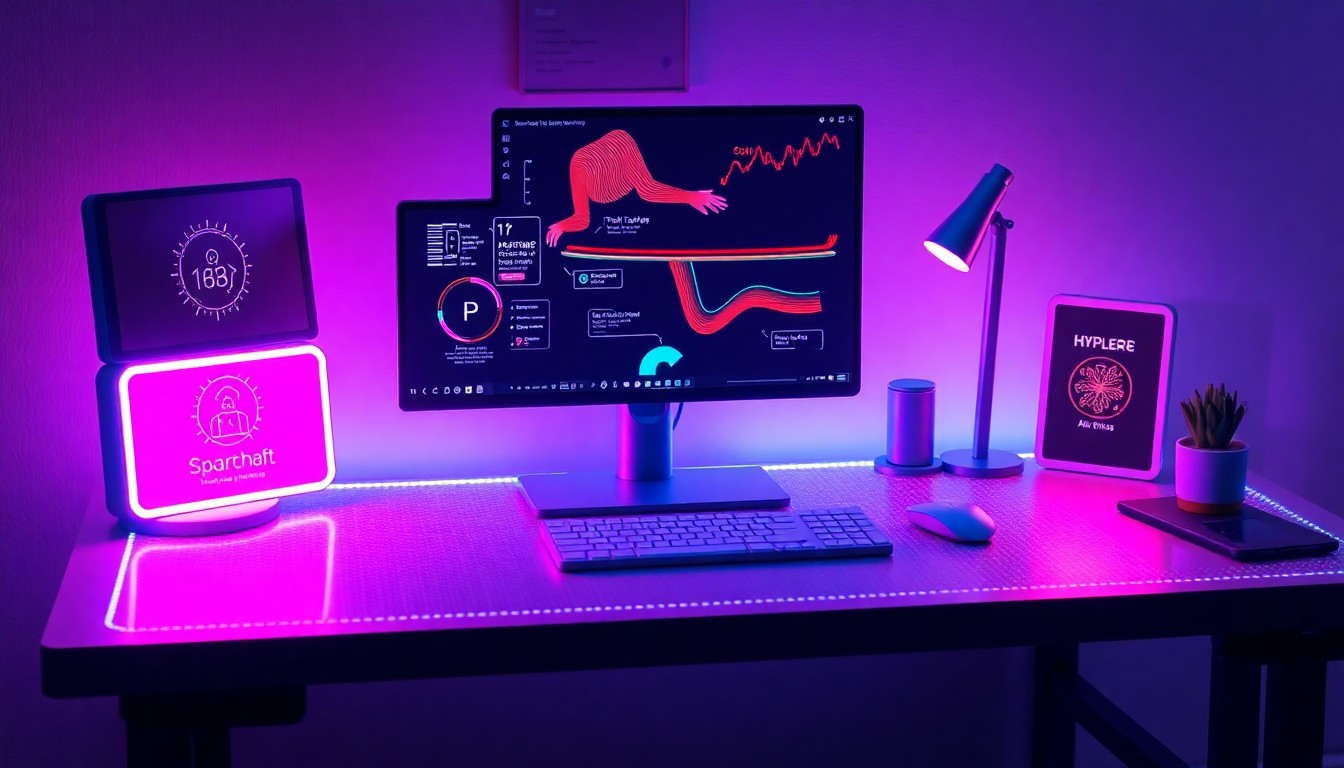
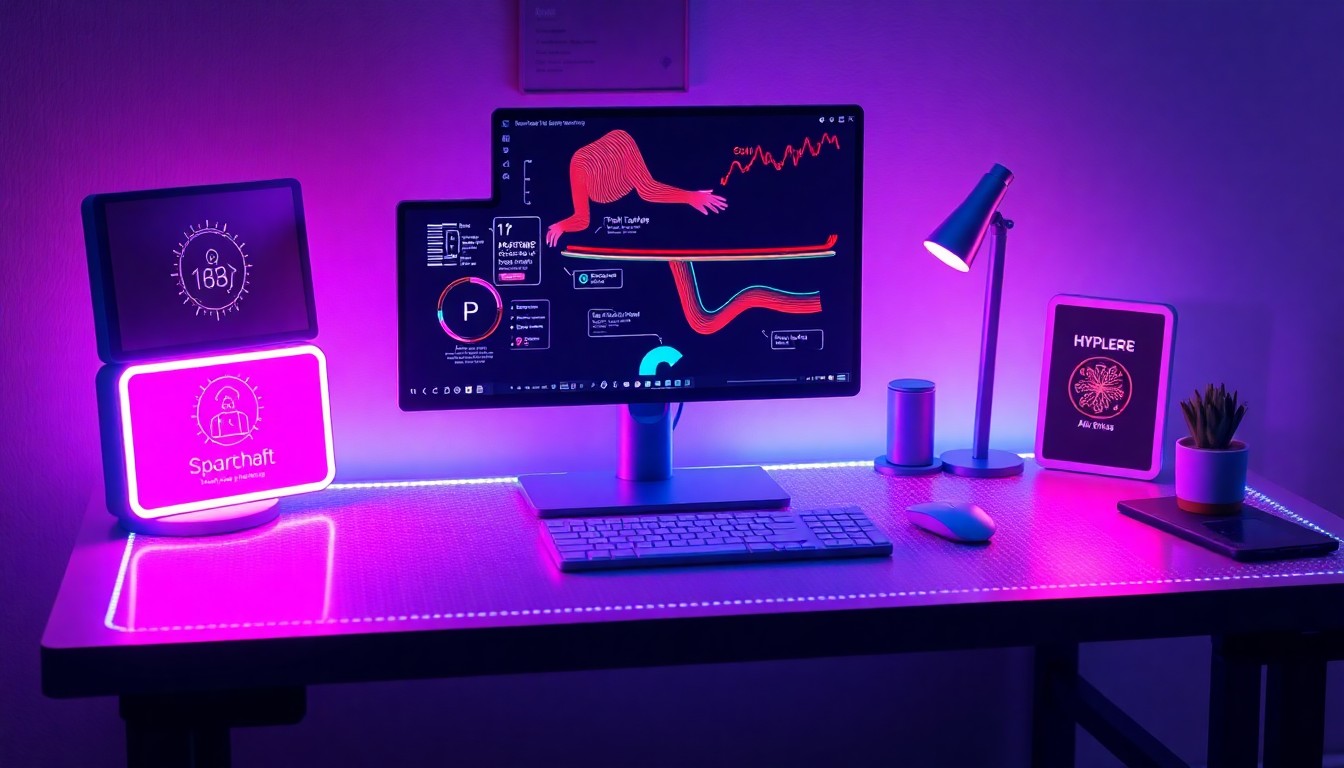
In 2026, wellness initiatives are combining environmental sensors, ergonomic data, and behavioral analytics to enhance workplace health. Environmental monitoring uses air quality sensors to track CO2, particulate matter, and VOCs, while ergonomic wellness tracks posture and sitting duration through smart desks and wearables. Hydration and nutrition tracking devices monitor water intake and glucose levels. When fully integrated, employers can identify departments with poor air quality, excessive sedentary time, or dehydration issues, and make data-driven improvements.
The IoT healthcare market reached $176 billion in 2025.Harvard meta-analyses show wellness programs generate $3.27 ROI per dollar spent on reduced medical costs and $2.73 on reduced absenteeism.
The players
Spike Technologies Inc.
A B2B Agentic AI and health data startup founded in late 2022, providing a 360° Health Data API for wearables and IoT devices, alongside a multimodal Voice AI-powered platform designed to eliminate administrative burden in the health industry.
Awair Element
An air quality sensor that provides real-time readings of CO2 levels, particulate matter, volatile organic compounds, temperature, and humidity.
Kaiterra Sensedge
An air quality sensor that provides real-time readings of CO2 levels, particulate matter, volatile organic compounds, temperature, and humidity.
IQAir AirVisual
An air quality sensor that provides real-time readings of CO2 levels, particulate matter, volatile organic compounds, temperature, and humidity.
Upright Go 2
A wearable posture trainer that provides real-time vibration feedback to improve sitting posture.
Fully Jarvis
A standing desk with built-in sit/stand tracking to monitor employee movement patterns.
HidrateSpark PRO
A smart water bottle that tracks hydration patterns and sends reminder alerts.
Thermos Smart Lid
A smart lid for water bottles that tracks hydration patterns and sends reminder alerts.
Dexcom
A continuous glucose monitoring (CGM) device that tracks glucose patterns for deeper metabolic insights.
Abbott FreeStyle Libre
A continuous glucose monitoring (CGM) device that tracks glucose patterns for deeper metabolic insights.
Got photos? Submit your photos here. ›
What’s next
Companies evaluating IoT integration providers for their employee wellness programs should confirm the provider meets compliance requirements for their industry (such as HIPAA for healthcare data or GDPR for European employees) and can scale as the program grows. Key considerations include device coverage, sync speed, data normalization quality, and compliance infrastructure.
The takeaway
Employee wellness programs are shifting from basic step challenges to leveraging environmental sensors, ergonomic data, and behavioral analytics to deliver continuous health insights. The success of these programs depends on integrating diverse IoT device data into unified platforms that can correlate individual metrics with enterprise-level ROI.