I’m an active person who enjoys taking on new physical challenges or wellness-related experiences, many of which I’ve chronicled. Several years ago, I decided to give a flying trapeze fitness class a try—and have stuck with it ever since. I recently had the opportunity to go to Las Vegas for an intensive flying trapeze training program, which I half-jokingly called my “not-getting-any-younger trip.” But I also knew I wanted to make the most of a month in an elite training environment, which started with making sure my body could actually handle the increased workload.
I had my usual bases covered: a solid prehabilitation routine, recovery tools, and a dialed-in nutrition plan. But when a friend mentioned that creatine had helped her bounce back from long, intense days of rock climbing, I started to wonder if it could give me an extra edge.
As one of the most well-studied supplements out there, I’d certainly heard of creatine before. But I’d mostly associated it with bodybuilders—and that’s a misconception, according to Shane Davis, MD, a sports medicine physician at Tufts Medical Center. He says research suggests creatine is a far more versatile tool, with potential benefits for performance, cognitive health, and even healthy aging.
About the expert
Shane Davis, MD, is a board-certified sports medicine physician at Tufts Medical Center, team physician for Tufts University, physiatrist, and assistant professor at Tufts University School of Medicine.
What is creatine?
 Casimiro/Getty Images
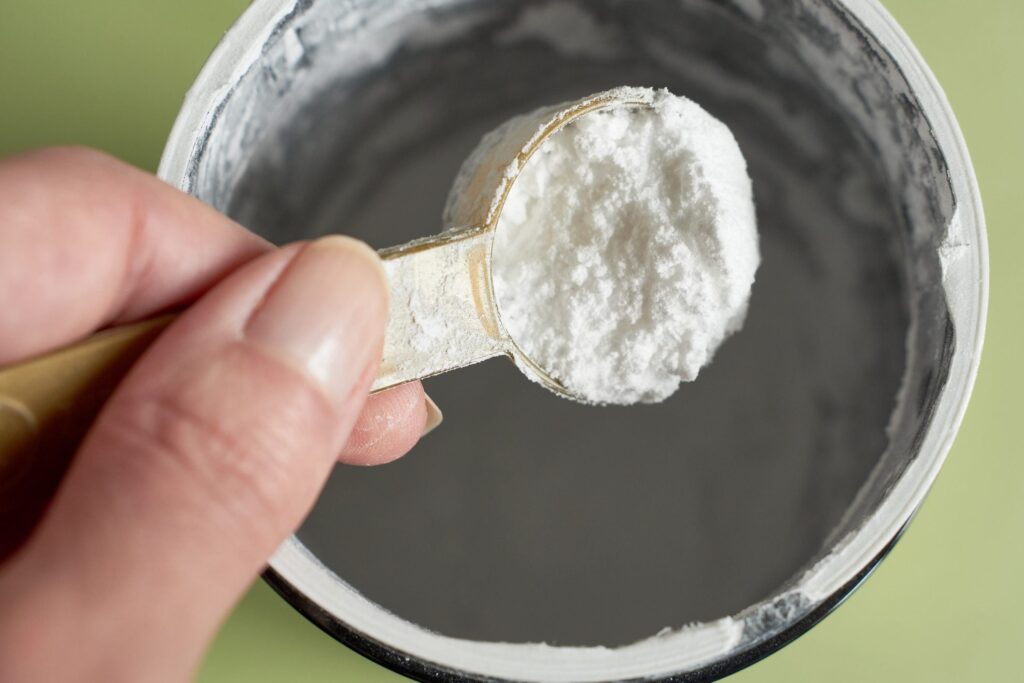
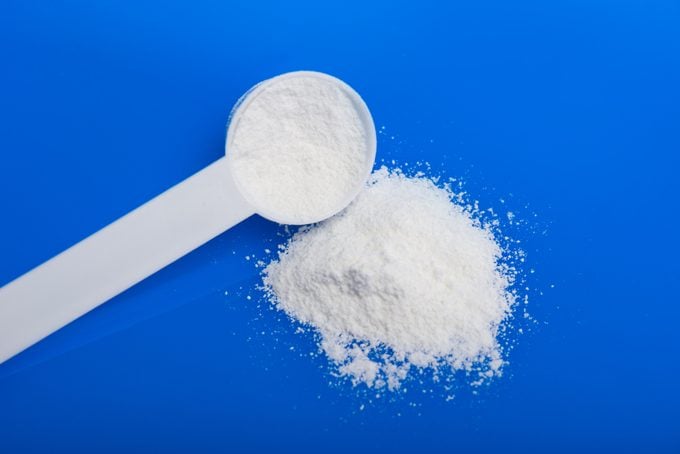
Creatine is a naturally occurring compound that is stored primarily in our skeletal muscles, Dr. Davis explains. “It is predominantly utilized during periods of high energy demand, such as intense exercises or cognitive activity,” he says.
Your body produces about one gram of creatine per day on its own, and most people get another one to two grams from high-protein foods, according to 2025 research published in Nutrients. But your intake may be lower if you eat little or no animal protein, since plant-based foods don’t contain creatine. While the body only needs a small amount for basic function, studies showing performance and health benefits typically use higher supplemental doses beyond this baseline amount.
“Evidence strongly supports creatine supplementation’s ability to enhance performance in high-intensity, short-duration exercise such as sprinting or heavy resistance training,” Dr. Davis says. “Supplementation increases creatine concentration in muscles, thus allowing more energy for muscular activity.”
In other words, creatine helps your body quickly produce energy when you need it most—like during short bursts of effort, whether that’s sprinting, lifting, or, in my case, launching off a trapeze bar.
Why creatine may matter more as we age
Along with its performance benefits, Dr. Davis says combining creatine supplementation with resistance training has consistently been shown to increase lean muscle mass—and that becomes especially important as we get older. Age-related muscle loss, known as sarcopenia, can begin as early as our 30s and 40s, according to the Cleveland Clinic. Without intervention, this gradual decline can impact everything from athletic performance to daily movement and long-term health.
But creatine may offer meaningful support. “For those with sarcopenia, supplementation combined with resistance training improved muscle mass and function,” Dr. Davis says. There’s also strong evidence supporting its use in certain muscular disorders, including muscular dystrophy and some myopathies.
Dr. Davis adds that creatine supplementation may also be particularly advantageous for older adults at risk for cognitive decline. “Evidence is growing in support of creatine supplementation to improve cognitive function,” he says, though more studies are needed. Still, emerging research suggests it may even help improve symptoms of depression when used alongside standard treatments. Notably, cognitive benefits appear to be more pronounced in older adults—making creatine a promising tool not just for boosting physical performance, but for healthy aging in general.
How to start taking creatine
 Edgar BJ/Getty Images
Dr. Davis recommends choosing a product with creatine monohydrate—the form most widely studied for effectiveness and absorption.
He also emphasized creatine’s safety. Despite common myths, Dr. Davis says creatine does not harm kidney function in healthy individuals—but people with underlying kidney issues should consult their doctor before using creatine, he emphasizes. More broadly, healthcare professionals recommend checking with a provider before trying any new supplement.
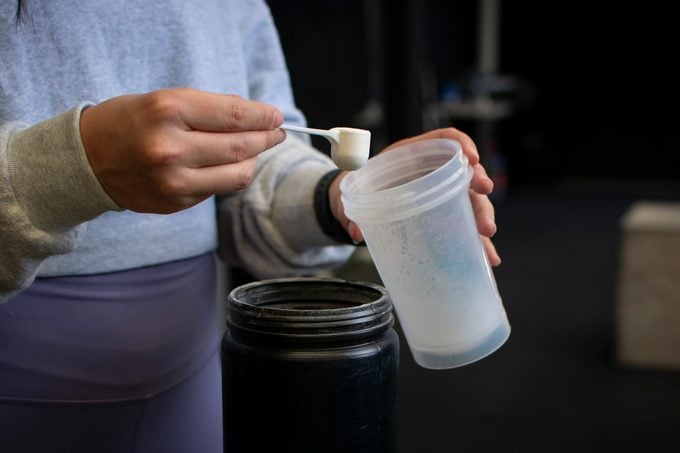
Many people begin with a “loading phase” of creatine with about 20 grams per day for five days to quickly saturate muscle stores. While this may speed up results, Dr. Davis says it’s not required. A 2026 study published in the Journal of the International Society of Sports Nutrition shows that taking a standard dose of 3 to 5 grams daily leads to similar muscle saturation within about a month.
Because I had a limited window before starting my training program—and wanted to boost my pull-up strength—I opted for the loading approach, splitting doses into 10 grams in the morning and 10 grams in the evening to reduce the risk of gastrointestinal (GI) discomfort. Dr. Davis also recommends taking creatine with carbs or protein and around exercise, though he notes that consistency matters more than timing. After five days, I dropped down to a 5 grams per day dose.
 via merchant
What taking a creatine supplement did for me
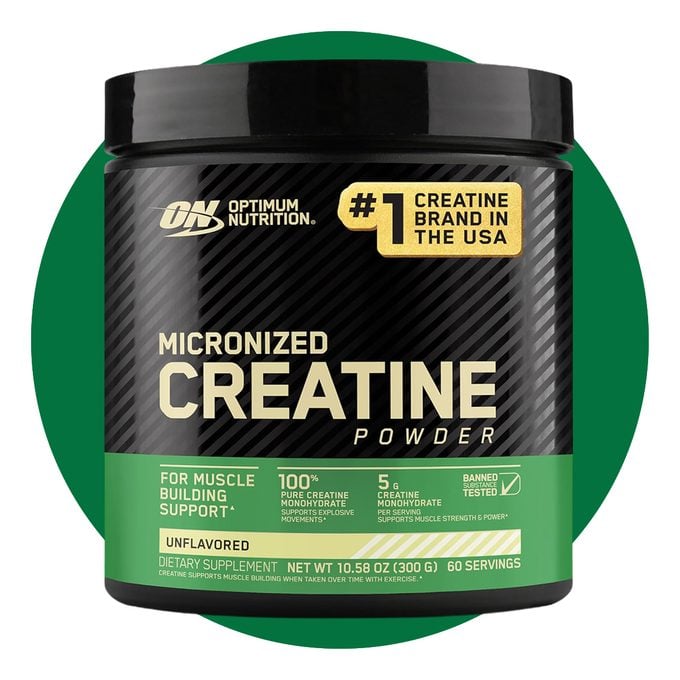
I used Optimum Nutrition Micronized Creatine Powder in two forms: unflavored to add to a protein shake and a blueberry lemonade version to stir into water or an electrolyte mix. Fortunately, I did not experience any GI upset during my 20 grams/day loading phase—but by the end of the week, I noticed two changes Dr. Davis had predicted.
First, I gained about two pounds—though Dr. Davis reassured me this wasn’t fat. “Creatine causes water retention in cells, which is an intended consequence and part of how it works,” he says. While this can show up as a small increase on the scale initially, most people go on to see improvements in body composition with consistent use.
I also experienced a noticeable boost in high-intensity performance. Since regaining my strength after an injury last summer, I’d plateaued at 6 to 7 pull-ups. So I was definitely surprised to find myself suddenly hitting sets of 10.
The real test came during the intensive training block in Las Vegas, where my weekly volume nearly tripled. Again, my experience closely mirrored the research: I gained lean muscle, maintained steady stamina, felt more resistant to fatigue, recovered faster, and completed the month injury-free. It’s important to note that sleep, hydration, nutrition, and mobility work all played a role, but creatine did seem to give me a clear edge.
As for cognitive benefits, I didn’t experience dramatic day-to-day changes—but that may actually be a sign that creatine was working behind the scenes. Dr. Davis explains that while research is still ongoing, improvements in cognitive function may be more noticeable during periods of high stress and mental fatigue.
Throughout this particularly physically and mentally demanding month, I showed up daily with enthusiasm, stayed on top of work, and made time for friends and self-care. While it’s difficult to draw a direct connection, the experience aligns with emerging research on creatine’s potential role in supporting steady brain health, especially under strain.
For daily wellness updates, subscribe to The Healthy newsletter and follow The Healthy on Facebook and Instagram. Keep reading: