The Supplement in Every Gym Bag May Also Be Healing the Brain, Doctor Explains
New research suggests that creatine, long known for building muscle, may also support brain energy metabolism in ways that make treatment for depression significantly more effective.
Creatine Has Always Been About the Body. A New Study Suggests It Works on the Mind Too.
Walk into any gym and you will find creatine on the shelf. It has been a staple of athletic performance for decades, trusted for its ability to build muscle, improve strength, and enhance endurance. The assumption has always been that its benefits stop at the body.
A 2025 clinical trial published in European Neuropsychopharmacology is quietly challenging that assumption.
What the Research Found
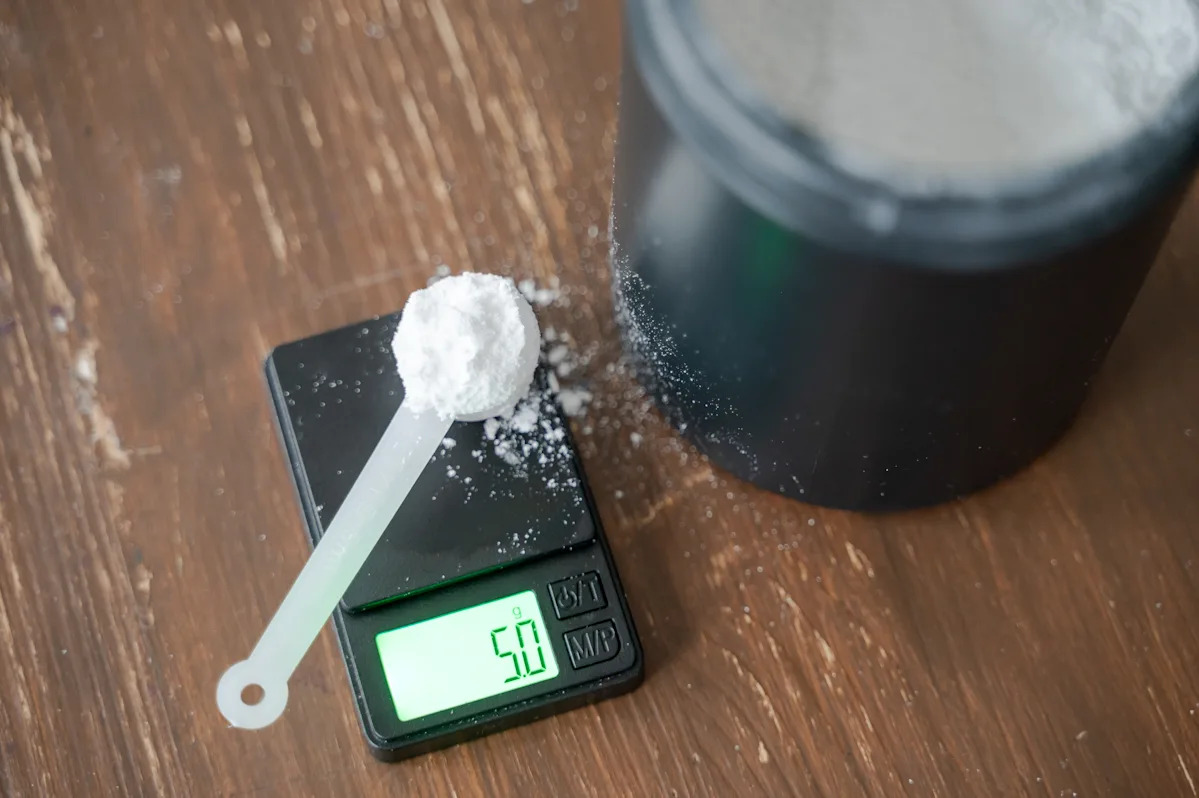
Researchers recruited adults diagnosed with major depressive disorder who were not currently using antidepressants. Over eight weeks, participants were split into two groups. Both received Cognitive Behavioral Therapy. One group also took 5 grams of creatine monohydrate daily. The other took a placebo. The trial was randomized and double blind.
The results were clear. Depression severity scores improved 5.12 points more in the creatine group, a difference that researchers classified as clinically meaningful. No significant side effects were reported, and the benefits were consistent across participants, suggesting that the response was broad rather than limited to a specific subgroup.
Why Creatine Works on the Brain
The mechanism behind this finding runs through brain energy metabolism. The brain is one of the most energy demanding organs in the body, and in people with depression, that energy system is frequently compromised. Creatine works by replenishing ATP, the fuel that powers neural communication, mood regulation, and cognitive resilience.
Beyond ATP, creatine also supports the production of dopamine and serotonin, reduces oxidative stress in brain tissue, and raises levels of BDNF, the brain’s primary growth factor responsible for forming new neural connections. These are not peripheral effects. They sit at the center of how the brain heals.
What This Means in Practice
Creatine is safe, widely available, and remarkably affordable. A standard 5 gram daily dose, the amount used in this trial, costs pennies per serving and carries a well established safety profile built over decades of research in athletic populations.
For anyone currently in therapy for depression, or considering it, the evidence now suggests that adding creatine to that treatment may meaningfully improve outcomes. It will not replace therapy or medication. But it may make both work better.
The supplement that has lived in gym bags for decades may have been quietly waiting to do more than anyone expected.
The Takeaway
A randomized controlled trial found that combining 5 grams of creatine daily with Cognitive Behavioral Therapy produced significantly greater reductions in depression severity than therapy alone. The effect was clinically meaningful, side effect free, and consistent across participants.
If you are looking for a safe, affordable, and evidence-backed way to support mental health treatment, creatine may deserve a place in that conversation.
Study reference: European Neuropsychopharmacology, 2025. PMID: 39488067