By Prateek Rastogi, CEO & Co-Founder, Better Nutrition
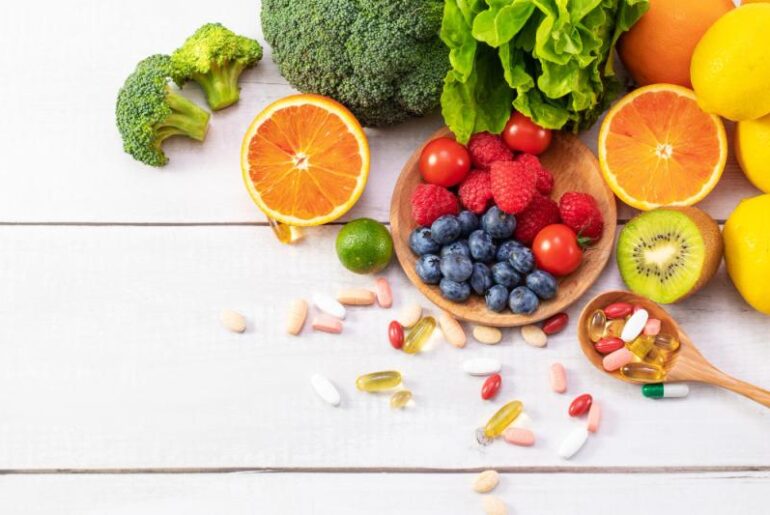
Walk into any modern Indian kitchen today, and you’ll notice something interesting. Alongside atta, rice, and dal, there’s often a strip of iron tablets, a multivitamin bottle, or a protein supplement quietly sitting on the shelf. We’ve normalized food for just taste and supplement intake for nutrition.
This new normal is actually the problem.
We Didn’t Always Need Supplements:
For generations, nutrition didn’t come from capsules; it came from food. Somewhere along the way, as agriculture scaled for yield and efficiency, the nutritional density of our staples started thinning out. The roti still filled you, the rice still satisfied your hunger, but something concrete went missing, and we compensated for it unnaturally. We built a parallel industry of supplements to “add back” what food no longer provides. And the result is India today consumes more supplements than ever before and yet continues to battle widespread micronutrient deficiencies.
Supplements Solve Symptoms, Not Systems:
Let’s be fair; supplements have their place. They are effective for treatment, necessary in clinical deficiencies, and useful when precision dosing is required. But they rely on something fragile, i.e., human behavior. One has to remember to take them, and one has to be aware that they are needed. We also have to keep buying them repeatedly. Most people aren’t able to sustain this. Which is why even though the supplements market has grown, it has yet to solve nutrition at scale, the very purpose they were introduced for. This is because nutrition, fundamentally, is not a product problem; it is a food system problem.
A Better Approach – Fix the Food Itself:
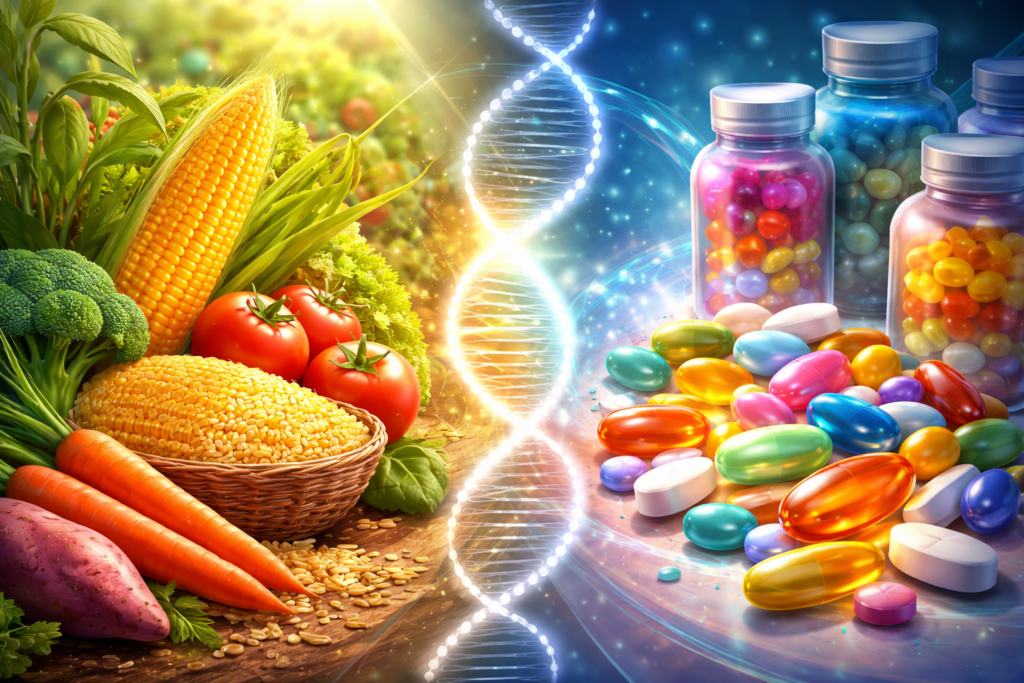
How about if we flip the question from “What supplement should I take?” to “Why isn’t my daily food enough?” It’s not enough because the food system is now broken. This is where biofortified foods come in. With improved seed varieties and better farming practices, it is now possible to grow crops naturally richer in iron, zinc, protein, and other micronutrients. Without any chemicals being added later, no labels trying to deceive you, and no behavioral change required.
What We’re Seeing on the Ground:
Over the last few years, something unexpected has started happening. Consumers are not just accepting biofortified foods; they are choosing them. And not because of heavy awareness campaigns or subsidies, but because they work. Today, biofortified staples like atta, dal, and rice are available across quick commerce platforms and leading e-commerce marketplaces, with strong repeat purchases and consistently high consumer ratings and reviews. In fact, what surprised us the most was this: People don’t buy these products only for health. They come back because of taste, consistency, and trust. Nutrition becomes an added layer of confidence, not the only reason.
Nutrition is becoming mainstream, beyond just a fad:
A few years ago, the idea of “nutrient-rich staples” sounded niche. Today, it’s quietly entering the mainstream. Urban consumers are becoming more aware of what’s in their food. Parents are thinking about long-term health. Fitness is no longer just about protein shakes; it’s about everyday eating. And crucially, convenience has caught up. When you can order better nutritious atta or dal on 10-minute delivery apps, the adoption barrier disappears. You don’t have to go out of your way; you just choose better.
The Economics Are Starting to Make Sense:
There’s another shift happening beneath the surface. Biofortified foods are not just a consumer trend. They are becoming a viable economic model. Farmers growing nutrient-dense crops can earn a premium. Supply chains are beginning to recognize differentiated quality. Consumers are willing to pay slightly more for something they trust daily. And unlike supplements, which remain an add-on expense, better staples integrate directly into existing consumption. You’re not spending extra; you’re spending better.
So, Will Biofortified Foods Replace Supplements?
Not entirely, and they shouldn’t. Supplements will continue to play a role in medical treatment for severe deficiencies and targeted interventions. But for everyday life, the shift is already visible. People don’t want to depend on pills forever; they want their food to do the job.
What the Next Few Years Will Look Like:
By 2030, the question may no longer be “Do you take supplements?” It may become “Is your food doing enough?”
And that’s a much more powerful shift, because when nutrition becomes part of daily eating, it scales faster, it reaches more people, and it sustains without effort. The real win is not replacing supplements; it is reducing the need for them. It is building a system where your roti has more iron, your dal delivers more protein, and your rice contributes more than just calories consistently and daily. Biofortified food is not a futuristic idea anymore because it is already on shelves, in our kitchens, and is already being chosen. The question is how fast they will become the new normal.