 11 min read
Striving to get some extra vitamin D in your life—whether it’s by eating fortified foods like breakfast cereals or yogurts, getting outside to soak up some extra sun, or poppin’ a daily supplement—is a worthy pursuit. After all, the sunshine vitamin is crucial to keeping our bones, muscles, immune system, and even our skin healthy. But even if you take these proactive steps…chances are, you’re still falling short.
And chances are, you’re not alone: “Most people in general are probably somewhat vitamin D deficient,” says Saranya Wyles, MD, PhD, the medical director for the Center for Aesthetic Medicine and Surgery at the Mayo Clinic in Rochester, Minnesota, and a consultant for the skincare brand Colorscience. The prevalence of vitamin D insufficiency in the general population hovers at around 41 percent, according to a 2022 analysis of National Health and Nutrition Examination Survey data involving more than 71,000 participants.
But if you’re one of the many Americans who doesn’t get enough of the nutrient, don’t beat yourself up: Much of what influences your levels is out of your control—factors like the amount of melanin you have in your skin (the darker you are, the less vitamin D you make) your age, genetics, and the latitude and weather patterns of the place you live, explains Lisa Akintilo, MD, an assistant professor of dermatology at NYU Langone Health and thes NYU Grossman School of Medicine.
Meet the experts: Axel Delgado, MD, is a New York City fellowship-trained board-certified dermatologist in Dorado, Puerto Rico. Saranya Wyles, MD, PhD, is the medical director for the Center for Aesthetic Medicine and Surgery at the Mayo Clinic in Rochester, Minnesota, and a consultant for the skincare brand Colorscience. Steven A. Nelson, MD, is an assistant professor of dermatology at Mayo Clinic College of Medicine and Science in Scottsdale, Arizona, and a member of The Skin Cancer Foundation Photobiology Committee. Lisa Akintilo, MD, is an assistant professor of dermatology at NYU Langone Health and the NYU Grossman School of Medicine.
Perhaps the quickest and easiest thing you can do to boost your levels is spend time in the sun. Exposure to ultraviolet rays kickstarts a biological process in the skin that allows it to produce its own vitamin D, which helps keep our complexions smooth, hydrated and protected from environmental stresses like pollution, which can lead to the development of fine lines and wrinkles. And in a truly confusing case of two things being true at the same time, the sun’s radiation can also accelerate signs of skin aging, and worse yet, raise your risk of potentially fatal skin cancers.
Weighing the risks of vitamin D deficiency against sun damage can feel like an impossible tradeoff, so some beauty brands have stepped in by selling topical cosmetic products marketed around the vitamin. These serums and creams often contain synthetic versions of the vitamin—but they can also utilize special ingredients claiming to help your skin make its own vitamin D (alongside other skincare ingredients proven to work) to help boost skin health and give you a more radiant complexion. These products are marketed as, quite literally, sunshine in a bottle.
But before you rush to the beauty store, here’s what experts want you to know about vitamin D skincare, including the role the vitamin plays in skin health, how topical products may be able to help, and surefire ways to get more vitamin D.
What does vitamin D do for the skin?
When you think about vitamins that support your complexion, vitamin A—which encompasses common skincare ingredients used to fight signs of aging such as retinol, tretinoin, and adapalene—may first come to mind. You might also think of vitamin C and vitamin E for their antioxidant benefits. But vitamin D is essential for optimal skin health, too, since it plays vital roles in keeping the skin’s moisture, inflammation levels, and cell renewal processes in balance, Dr. Wyles says. Here’s a more detailed breakdown of the most important roles it plays:
Helps regulate how skin cells grow: Vitamin D helps control how quickly skin cells grow and mature, explains Axel Delgado, MD, a New York City fellowship-trained board-certified dermatologist in Dorado, Puerto Rico. This helps support healthy skin cell turnover—the process by which old dead skin cells are replaced with new ones. It also enhances the natural wound-healing process, which means getting enough vitamin D ensures skin is smooth, radiant, and bounces back from injury.Supports skin barrier health: You can think of the skin barrier as like a brick wall that keeps beneficial things (like moisture) in, while keeping irritating substances (like environmental pollutants and bacteria) out. By keeping skin cell growth in check, vitamin D works to keep that brick wall strong and resilient, research suggests, which helps reduce inflammation and allows you to maintain a hydrated, soothed complexion.Helps treat certain inflammatory skin conditions: Vitamin D is used in clinical settings to help manage inflammatory skin conditions like psoriasis and eczema, explains Saranya Wyles, MD, PhD, the medical director for the Center for Aesthetic Medicine and Surgery at the Mayo Clinic in Rochester, Minnesota, and a consultant for the skincare brand Colorscience. To be specific, calcipotriene, a topical prescription form of vitamin D, is commonly used to treat psoriasis, according to the Mayo Clinic, because it works to control inflammation in the skin and slow down the rapid growth of skin cells that causes the thick, itchy patches of skin associated with the disease. (More on this below!)Provides antioxidant protection: Just like other antioxidants, Vitamin D helps to protect against oxidative stress triggered by factors such as environmental pollution and the sun’s ultraviolet rays, Dr. Akintilo says. It also has photoprotective properties, Dr. Wyles adds, which means it helps protect against damage from sun exposure and may help prevent sun spots, fine lines and wrinkles.
Given vitamin D’s wide-ranging roles in skin health, a deficiency can show up in some pretty tangible ways. You might notice increased dryness, tightness, itching, or sensitivity—classic signs of a compromised skin barrier. Those symptoms aren’t necessarily caused directly by low vitamin D levels, Dr. Wyles adds, but “deficiency could make all of those existing things a little worse.” The same logic applies to inflammatory skin conditions: if you already have acne, eczema, or psoriasis, deficiency can tip the scales toward more frequent or more severe flare-ups, Dr. Delgado says.
So, how do topical vitamin D products work?
What you’ll find online and in beauty stores generally falls into two categories: Skincare products that contain a form of topical vitamin D as an active ingredient, and products containing other components that potentially help your skin synthesize the vitamin more efficiently on its own. Let’s break down each one.
Topical Vitamin D
It makes total sense that brands would want to capitalize on topical vitamin D because there are decades worth of research investigating the benefits of the ingredient in prescription-strength medications. So before we get into the details of OTC vitamin D skincare, it’s helpful to understand the perks of their prescription predecessors.
The most prominent one is calcipotriene—also called calcipotriol—a prescription-strength synthetic molecule that’s been engineered to mimic the active form of vitamin D that the body naturally produces, Dr. Delgado says. When calcipotriene is applied topically to the skin, often in the form of a cream, ointment or liquid solution, it immediately penetrates the skin and binds to vitamin D receptors in skin cells, working to regulate skin cell growth, support skin barrier health, and reduce the production of pro-inflammatory proteins that are responsible for chronic skin conditions. That’s why the ingredient is approved by the U.S. Food and Drug Administration as a first-line treatment for plaque psoriasis.
There’s also calcitriol, another prescription-only topical that’s made of the actual active form of vitamin D that the body makes. It provides similar benefits to the skin as calcipotriene, but research suggests it’s a bit gentler and can be especially helpful in treating psoriasis that crops up on more sensitives areas of skin, such as on the face. Off-label, calcitriol is also sometimes used by dermatologists as adjunctive treatments for other conditions such as eczema and vitiligo.
What’s used in over-the-counter cosmetic vitamin D serums, sprays and creams is a bit different from calcipotriene or calcitriol. Instead, you’ll usually find a less potent, less concentrated, inactive version of vitamin D called cholecalciferol, or vitamin D₃. You might also find provitamin D₃, a precursor molecule that the skin can convert into vitamin D₃ after sun exposure.
For the skin to benefit from vitamin D₃, it needs to penetrate past the outermost layer of skin, called the stratum corneum, and then be converted by skin cells into its active form, explains Steven A. Nelson, MD, an assistant professor of dermatology at Mayo Clinic College of Medicine and Science in Scottsdale, Arizona, and a member of The Skin Cancer Foundation Photobiology Committee. Extrapolating from the skin health benefits of prescription vitamin D, using topical cholecalciferol (or products containing the precursor) could, in theory, provide the skin with anti-inflammatory benefits and support a healthy skin barrier.
As such, brands often claim that these products help build skin resilience and immunity against environmental aggressors. They also tend to tout skin barrier-strengthening benefits and claim to give you healthy, luminous glow. Given these potential perks, the products could be particularly beneficial for folks with dull, thin, or older skin that’s easy to bruise or tear, Dr. Wyles says. The same can be said of people with acne, rosacea or other forms of skin inflammation who are looking to add auxiliary products to their routine, Dr. Akintilo adds.
Vitamin D-supporting products
There’s an emerging second category of vitamin D products that—rather than containing a form the vitamin itself—utilize other ingredients that help create an optimal environment to potentially support the skin’s ability to naturally synthesize it, Dr. Delgado says.
To be specific, products in this category usually contain patented or patent-pending proprietary synthetic ingredients that work to potentially activate vitamin D receptors in the skin indirectly, Dr. Wyles explains. “It’s not true vitamin D production,” Dr. Wyles says. Instead, the active ingredients may help the skin better access and benefit from its own pre-vitamin D₃, a vitamin D precursor compound naturally formed in the skin right after sun exposure, she explains. These products “are intending to activate vitamin D from the pre-vitamin D₃ that is present,” she says. “It’s creating support systems to make sure the pre-vitamin D₃ gets functional.”
You can almost think of vitamin D synthesis as people dancing in a ballroom, Dr. Wyles explains: The dancers—vitamin D precursors like pre-vitamin D₃—are already in the room. These products could potentially get them moving again by playing the right music and dimming the lights.
Since these products potentially encourage vitamin D production in the skin, brands claim these products offer similar benefits as the previous category: Improved skin barrier health, a soothed, balanced complexion, and more radiance. Some brands go as far as to claim that because their product supports production of the sunshine vitamin, they provide the skin with similar benefits as basking in the sun, all without the risks associated with UV damage. Pretty intriguing, right?
Here’s What the Experts Say
Based on what we know about prescription-strength topical vitamin D, the underlying mechanisms to explain the benefits of cosmetic products are plausible, experts say. The biggest problem is that there isn’t robust research investigating the benefits of vitamin D (or ingredients potentially supporting its production) in over-the-counter formulations. “We do have a lot evidence-based data on [vitamin D] as a prescription treatment,” Dr. Delgado says. “But as a cosmetic ingredient, we have much less.”
Alongside the lack of data, there are some other challenges these products face that could inhibit efficacy. When it comes to products containing topical vitamin D₃, for instance, it’s important to understand that the molecule is fat-soluble, Dr. Nelson adds. This means lots of it can easily get stuck in the ceramides and other fats in the stratum corneum, raising questions about whether enough of the vitamin penetrates the skin to actually provide much benefit, he says.
When it comes to products that encourage vitamin D production, there simply isn’t enough robust data to suggest that using these topicals actually equates to a meaningful increase in vitamin D levels, Dr. Delgado says. “The theories are there,” Dr. Wyles says, “but I think for me to fully buy in…to truly, scientifically be able to say [these products] increase vitamin D levels in the skin, you have to have a readout. And that readout doesn’t exist.” Plus, these products are likely to be most effective in people who already have reasonably healthy vitamin D levels anyway, so they shouldn’t be expected to make a meaningful difference in people who are deficient. Translation: At least for now, these products should not replace reliable ways of increasing your D levels, such as taking a daily supplement, Dr. Wyles adds.
The other problem with some products claiming to support vitamin D production is that the sun’s ultraviolet B, or UVB, rays are necessary to start the process that allows skin to synthesize vitamin D, Dr. Delgado says. Based on the current state of the evidence, experts don’t believe topical formulations can induce that process without those rays, Dr. Wyles adds. So even if these products do manage to prime your skin for vitamin D production, you’d still need to incorporate exposure to the sun’s ultraviolet rays for that process to begin. There’s nothing inherently wrong with this—certain products are explicitly marked as sun-activated. But the need for UV exposure is hard to square with marketing claims that suggest a product offers your skin the perks of sunshine, minus the risks of ultraviolet radiation.
That said, experts aren’t writing off the cosmetic benefits of vitamin D skincare entirely. They just might not offer the perks you originally expected. For instance, instead of meaningfully changing your systemic vitamin D levels, these products could enhance skin radiance, provide some antioxidant protection and skin-soothing benefits, and may modestly improve skin texture over time.
Plus, vitamin D products tend to be formulated with other actives that do a lot of heavy lifting, such as hyaluronic acid, squalane, and vitamin E—ingredients that deserve a spot in pretty much anyone’s skincare routine. “If the consumer is going for moisturized, healthy-looking skin, then these products are probably not a waste of money,” Dr. Nelson adds. “But if they’re buying the product for the specific purpose of increasing their vitamin D production…then, yes, that is a waste.”
Here are a few vitamin D-centered skincare products worth considering:
Vitamin D-themed Skincare Products to Try
Best for All Skin Types
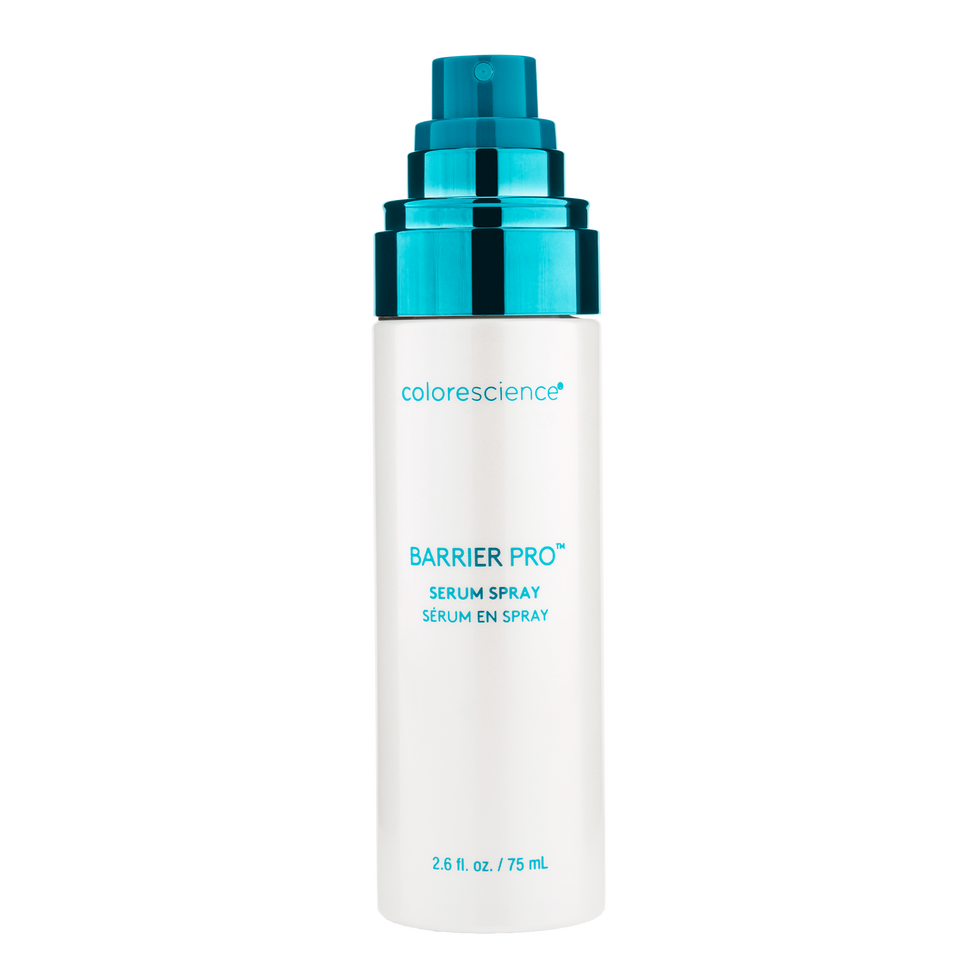 Colorescience Barrier Pro™ Serum Spray
This facial spray contains proprietary technology to support vitamin D synthesis in the skin. It also includes hyaluronic acid and squalane to support hydration and soothe dull, dry skin.
Best for Dull Skin
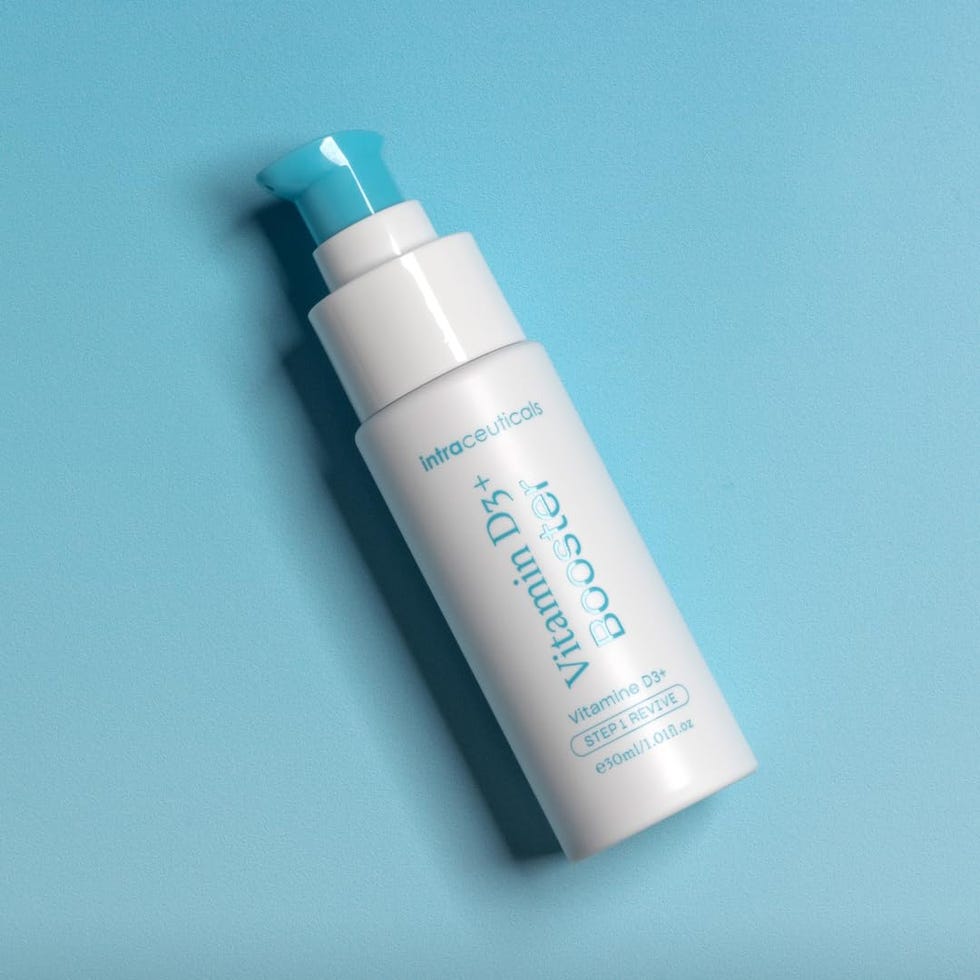 Intraceuticals Vitamin D3+ Booster
This serum contains a special compound called 7-dehydrocholesterol, which the skin eventually converts into active vitamin D after exposure to UVB light. The product also works to support the skin barrier and enhance texture and firmness.
Best for Aging Skin
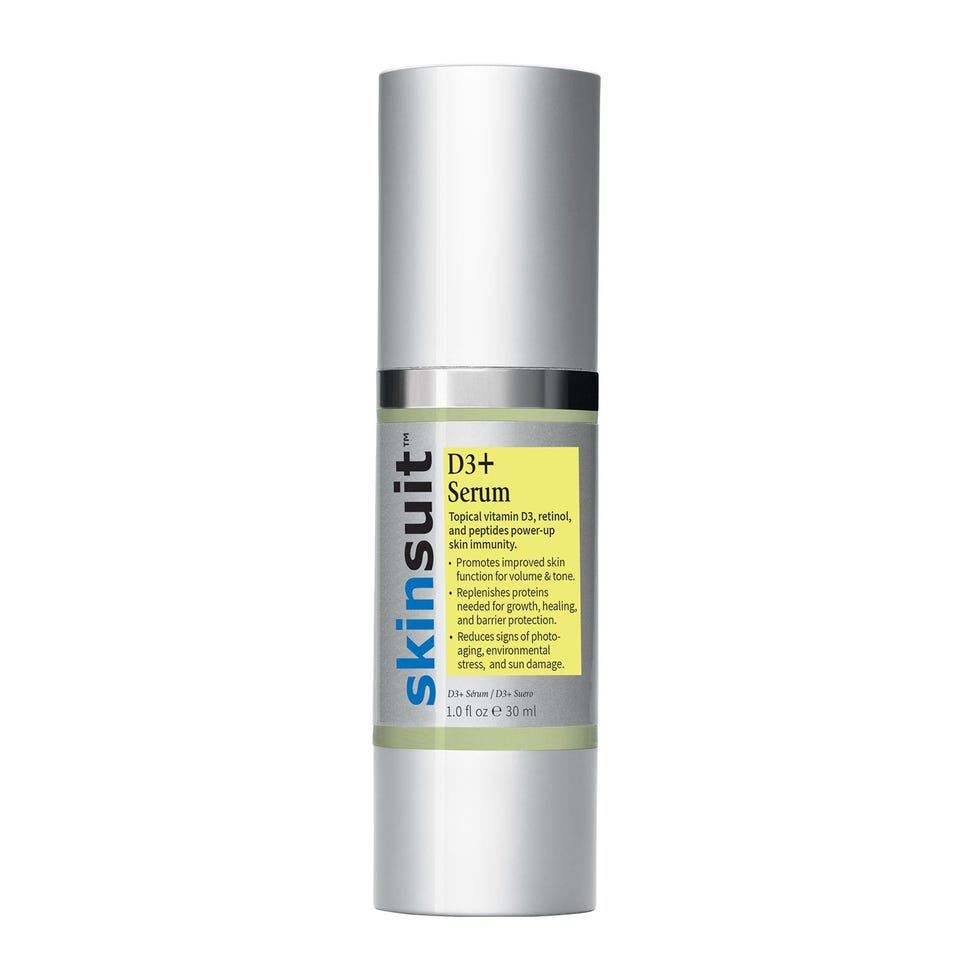
Skin Authority
SkinSuit D3+Serum
If you’re looking for a vitamin D serum, consider giving this one a whirl. It contains vitamin D3, alongside well-researched ingredients like retinol and vitamin E to protect skin from environmental damage and promote improved skin function.
The Bottom Line: Vitamin D skincare can play a supportive role, but don’t expect it to send your levels through the roof.
If you’re otherwise healthy but looking to prevent vitamin D deficiency, one reliable method is to take an oral supplement, experts say. For most people, 600 international units per day is plenty, according to the Mayo Clinic, though folks with certain conditions may need more. You can also add whole foods that are vitamin D-rich into your diet, such as fatty fish like salmon and cod, Dr. Delgado says, as well as fish liver oils, beef liver, egg yolks, and cheese, according to the National Institutes of Health.
And, of course, you can also get more vitamin D through exposure to the sun. But experts couldn’t emphasize enough that you need to protect your skin with sunscreen that has, at minimum, a sun protection factor (SPF) of 30. And you don’t need to bake in the sun like a raisin all day, either. “You only need about 15 minutes of that passive UVB absorption to get adequate vitamin D production,” Dr. Wyles says. “So I think if you’re being mindful and protecting your skin even while getting sun, and then supplementing with food and supplements, that’s where you’re really going to help boost that vitamin D production,” Dr. Wyles adds.
But if you’re eager to incorporate a new antioxidant or skin-soothing product into your routine, a well-formulated vitamin D product can totally be worth a shot, Dr. Akintilo says. “My trifecta of a good skincare regimen is sun protection, antioxidants, and then some kind of retinoid,” Dr. Akintilo says. “So that middle category, the antioxidant, I would say vitamin D falls right in.”
So think of vitamin D skincare as a way to give little extra love to your skin—they’ll help hydrate, soothe, and give you a subtle glow, even if they won’t replace your supplements.

Katie Mogg is the beauty editorial assistant at Women’s Health. Since starting college at Northeastern University in 2020, her bylines have appeared in The New York Times, The Wall Street Journal, NBC News and The Boston Globe. She strives to help readers lead happier and healthier lives through science-backed stories that explain how to care for hair, skin and nails. When she’s not working, Katie enjoys live music, strolling through Central Park, planning her next beach getaway, and sharing hotpot with friends.

Brian Underwood is beauty director at Women’s Health, where he oversees content strategy for the brand across all platforms, including digital, print, and social. Underwood previously served as beauty and wellness director at Oprah Daily and O, The Oprah Magazine. During his tenure leading beauty content for the Oprah brand at Hearst, stories Underwood commissioned were awarded the Skin Cancer Foundation Media Award and a Fragrance Award for Editorial Excellence (his second). He was the launch Beauty Director of Dr. Oz THE GOOD LIFE, and has held additional editorial positions at Fitness, Organic Style, Good Housekeeping, Life & Style Weekly, and Woman’s Day and has written for Self, Shape, Seventeen, Redbook, Cosmopolitan, and many more. Underwood previously served on the Skin Cancer Foundation’s gala committee and as partnerships director of the Trans Beauty Clinic, a New York-based charitable organization that provided beauty services and workshops to the city’s trans community.