The Takeaway
Scientists from Cold Spring Harbor Laboratory and collaborators have found that EPA, a fatty acid contained in fish oil supplements, may disrupt the brain’s ability to recover from traumatic injuries, potentially increasing the risk of developing neurodegenerative conditions like CTE later in life.

Neurodegenerative conditions like chronic traumatic encephalopathy (CTE) are often called a silent pandemic. Even so-called “mild” concussions, like those sustained in contact sports, may have a cascading effect over time. CTE symptoms such as mood swings, memory loss, and depression may not appear for decades. A new study suggests one common dietary supplement may, in fact, be making things worse.
“Fish oil is widely seen as neuroprotective,” says CSHL Assistant Professor Semir Beyaz. Despite this popular notion, there’s surprisingly little long-term evidence of its effectiveness after repetitive brain injuries.
Beyaz, graduate student Onur Eskiocak, and their collaborators initially assumed these popular supplements would be as beneficial as advertised. “Surprisingly, in mice, they made things much worse,” Beyaz reveals.
The team—which included Beyaz’s longtime collaborator, Onder Albayram, at the Medical University of South Carolina—developed a mouse model using a fish oil-based diet and collected additional samples from patients diagnosed with CTE. From there, they zeroed in on a common fatty acid in fish oil supplements called EPA. In mice, rather than aiding in recovery, EPA altered the brain’s metabolic response and disrupted repair efforts. Excess EPA was also found in human tissue.
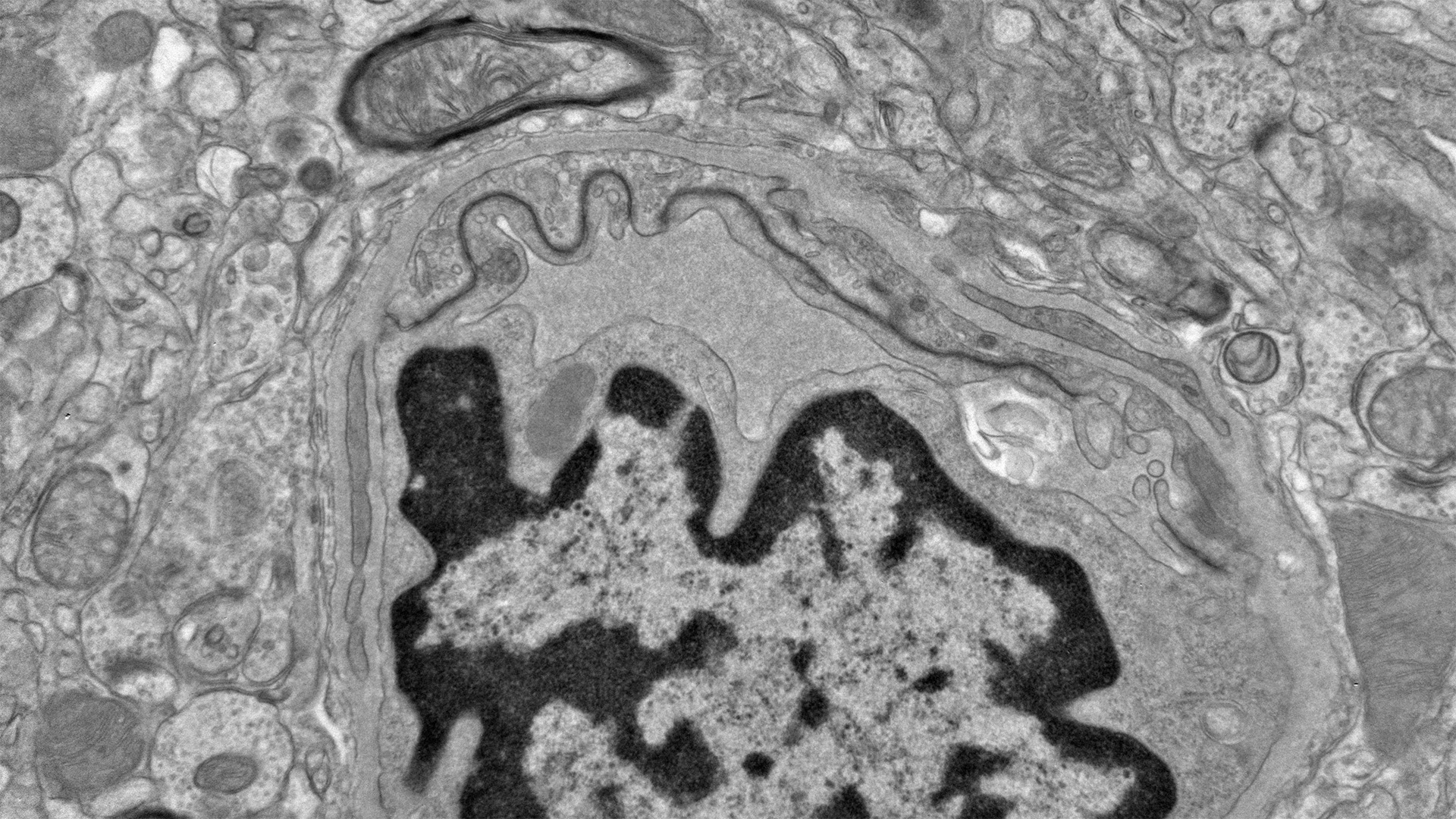
What’s it doing there? In order to recover from injuries, the brain often builds new blood vessels to ensure unobstructed oxygen and blood flow. EPA is known to block this process. In some cases, like in certain cancer treatments, this is a good thing. After traumatic brain injuries, however, EPA can interfere with the brain’s natural repair and recovery processes. Over time, this can increase the long-term risk for developing conditions like CTE.
Despite their findings, the team cautions against sweeping generalizations.
“This idea of fish oil being a one-size-fits-all benefit doesn’t work once you start investigating interactions,” Eskiocak says. “But that doesn’t mean it’s bad for you.”
“We know fish oil benefits your heart and gut,” Beyaz adds. “But context matters, especially when it comes to injury and recovery.”
While the discovery may have implications for nutrition, therapeutic strategies, and dietary interventions, more questions must be answered before the full picture becomes clear. For example, two boxers may suffer the same number of knockouts during their careers, with only one of them developing CTE while the other stays relatively healthy. Scientists still aren’t sure why, but this study brings us one step closer to understanding how factors like diet and nutrition impact brain health over time.
Written by: Nick Wurm, Communications Specialist | wurm@cshl.edu | 516-367-5940
Funding
The South Carolina Alzheimer’s Disease Research Center, National Institutes of Health Centers of Biomedical Research Excellence, Medical University of South Carolina Specialized Center of Research Excellence, Department of Veterans Affairs, National Cancer Institute, Oliver S. and Jennie R. Donaldson Charitable Trust, G. Harold and Leila Y. Mathers Charitable Foundation, Mark Foundation for Cancer Research, CSHL-Northwell Health Affiliation, Swim Across America
Citation
Karakaya, E., et al., “Eicosapentaenoic Acid Reprograms Cerebrovascular Metabolism and Impairs Repair after Brain Injury, with Relevance to Chronic Traumatic Encephalopathy”, Cell Reports, March 25, 2026. DOI: j.celrep.2026.117135
Stay informed
Sign up for our newsletter to get the latest discoveries, upcoming events, videos, podcasts, and a news roundup delivered straight to your inbox every month.