Known as AMILI Optimise, the mobile app will be launched in three key phases.
The first phase would tap on AMILI’s gut microbiome databank and Google’s expertise in artificial intelligence (AI) in making personalized nutrition recommendations based on an individual’s gut microbiome and postprandial blood glucose response in an eight-week long program.
Users will need to provide photos of their daily meals, wear a continuous glucose monitor (CGM), provide fecal samples and answer self-reported questionnaires that assess changes in their mood and energy levels pre- and post-meals.
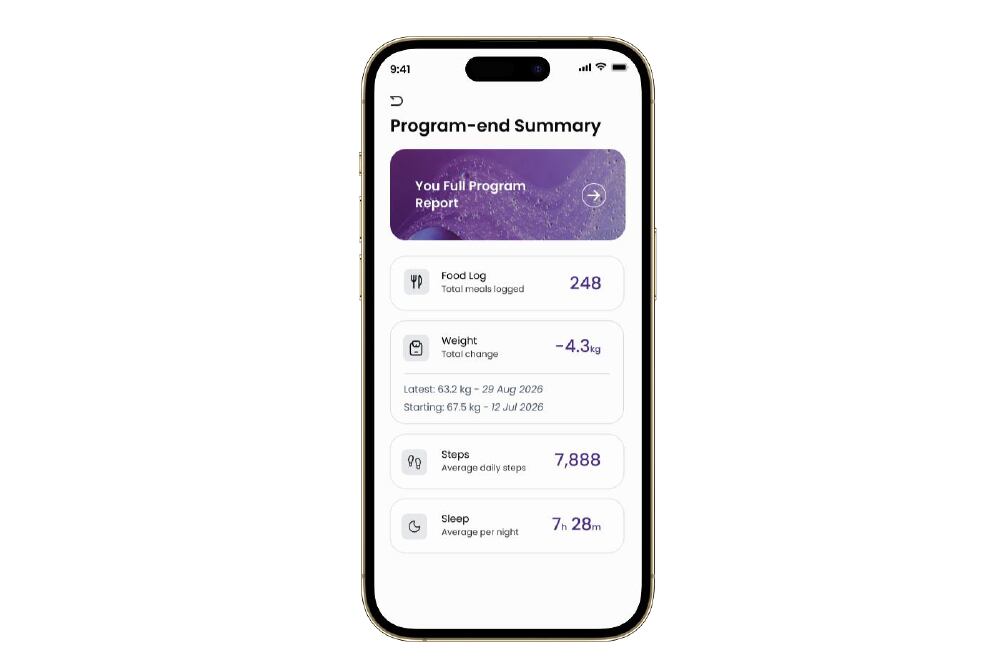 AMILI Optimise will be rolled out as a mobile application later this month. (AMILI)
Depending on an individual’s needs, the mobile app may also recommend dietary supplements, including AMILI probiotics.
The personalized nutrition program will be available at a price of SGD$750 (US$584) and at a discounted price of SGD$400 (US$312) as part of the launch promotion.
Targeting diet and nutrition
The partnership was first announced at the Google for Singapore event held on February 10.
Speaking to NutraIngredients, Dr. Jeremy Lim, CEO and co-founder of AMILI, highlighted four key factors affecting health outcomes: diet and nutrition, exercise, sleep, and stress management.
However, as a company specializing in gut microbiome, Dr. Lim believes the company’s priority lies in tackling diet and nutritional needs.
“Many health programs have focused on sleep, the number of steps and the amount of physical activity because these parameters are easier to measure…Most organizations shy away from nutrition because it is more difficult to tackle,” he said, noting how diverse dietary habits can increase the difficulty in measuring the impact of diets.
“When we sat down with our colleagues at Google, we believed we needed to crack biology and behavior to be successful. When it comes to biology, genetics is interestingly a relatively small part, because while there’ll be some influence from genetics, the much larger component, however, comes from the gut microbiome,” he said.
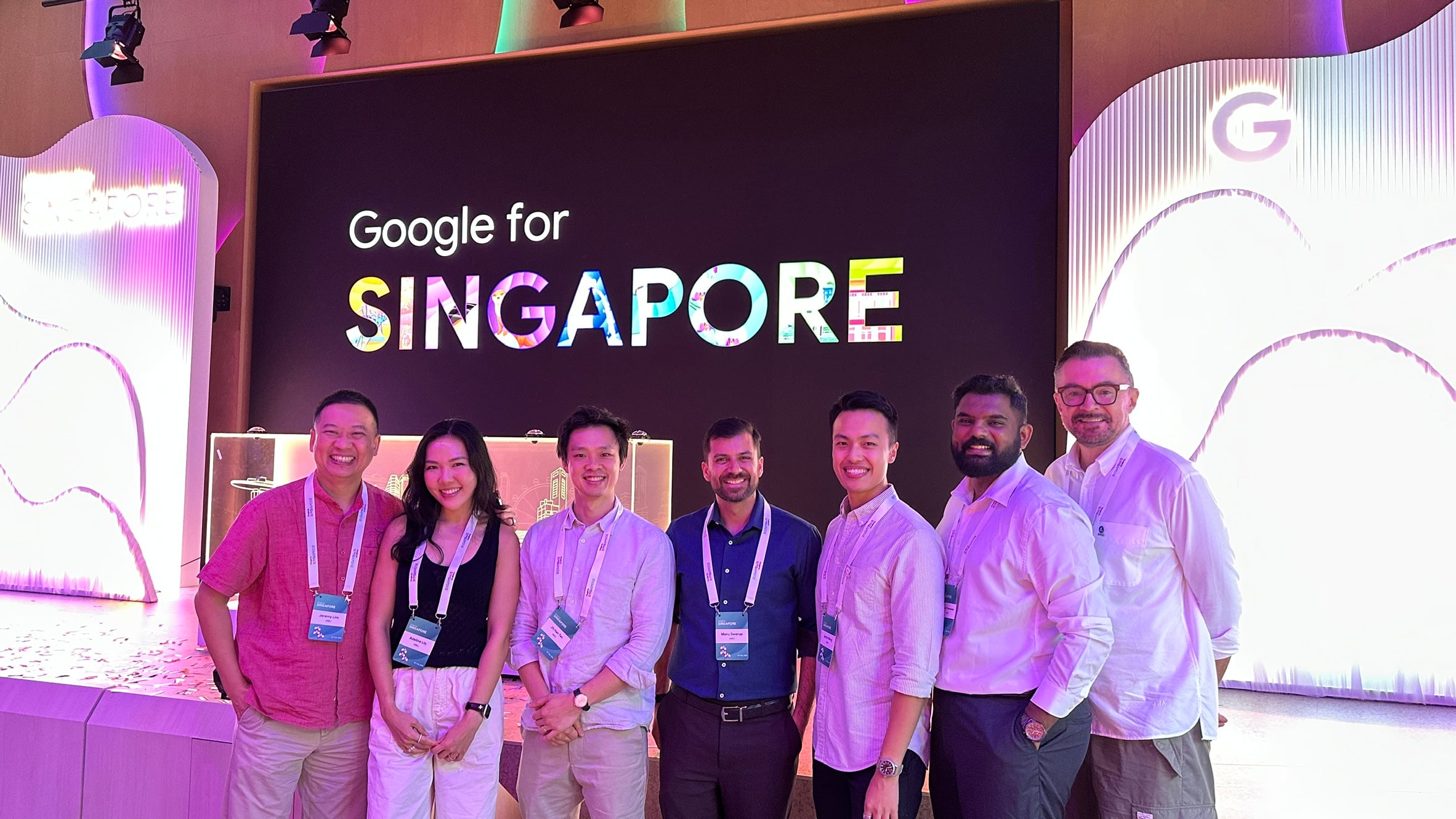 Dr. Jeremy Lim (first from the left), co-founder and CEO of AMILI at the Google for Singapore event held on February 10. (AMILI)
Citing a 2019 study by Spector et al, Dr. Lim pointed out that even identical twins can have different physiological responses to food as they have different gut microbiome composition.
As a microbiome firm, the company has amassed data on individuals’ diet, gut microbiome, sleep and stress levels, which can be combined with artificial intelligence in providing personalized nutrition based on an individual’s microbiome.
“AMILI has expertise in gut health and has amassed petabytes worth of data. Google, on the other hand, has very deep expertise in AI and interestingly has a food team as well. We then decided that we can join forces to personalize recommendations based on an individual’s microbiome and blood glucose response to foods.”
Google, on the other hand, said that the partnership would help advance preventative health with the use of AI.
“Combining AMILI’s Asian-centric gut microbiome data and nutrition expertise with Google’s cloud and AI technologies like Gemini, the program tailors nutrition and lifestyle suggestions to users based on their unique microbiome patterns, metabolic health, and goals,” Google said in a press release.
Targeting behavioral change
The mobile app is also designed to promote behavioral change and encourage the uptake of healthier diets – a feature that will be rolled out in the second phase of the launch.
“Because we are behaviorally different and we are motivated by different things, by combining biology with behavioral insights, we can then hyper personalize the recommendations and the nudges that will drive behavior,” Dr. Lim said.
As such, in the second stage of its launch, the mobile app will be enhanced with the function of recommending restaurants and meal options that support an individual’s health goals using Google Maps.
“We will then be able to make very actionable recommendations. Instead of telling people that they should eat more of this and less of that, we can recommend in real time, based on people’s location, the restaurants that provide the most optimal diet and nutrition for their current state of health,” he said.
The intention is to make it easier for users to choose healthier meals.
“We want to make sure that people are not just empowered with nutrition knowledge but also reduce the friction and make it easier for people to find the places where they can get affordable and healthy meals,” he said.
The mobile app will also give recommendations on the types of physical activities that users can take part in to achieve their daily health goals.
Ecosystem change
Lastly, the partnership aims to promote healthier meals and nutrition uptake by involving the wider ecosystem, which may include governments, insurers and employers.
An example could be the employers providing cashback for employees who have selected healthier meal options.
According to Google, further collaboration with healthcare clusters and health agencies is being explored to bring the tool to Singaporeans as part of a wider precision nutrition program.
“Over time, these micro decisions will shape a person’s mindset and help one become much more conscious about health,” said Dr. Lim. “To sum up, this is a rare opportunity for AMILI and Google to partner and to contribute to a health-promoting ecosystem, and in a nutshell, this is what the entire program is about.