Staying active is key to lifelong health – but it becomes even more important in midlife. Hormonal changes, particularly during menopause, can lead to reduced muscle mass, lower bone density and slower recovery.
A new study published in PLOS Medicine reinforces this, finding that women who meet recommended physical activity guidelines have around half the risk of dying from any cause compared to those who are inactive.
Researchers from the University of Sydney analysed data from 11,169 women born between 1946 and 1951 (aged 47-52 at the start of the study) over more than 15 years. Participants, part of the Australian Longitudinal Study on Women’s Health, completed nine surveys between 1996 and 2019.
They reported how often they met the World Health Organization guideline of 150 minutes of moderate-to-vigorous physical activity per week between 2001 and 2016.
The study’s results
Just 5.3 per cent of women who met the activity guidelines died during the study, compared with 10.4 per cent of those who didn’t. In other words, staying active throughout midlife was linked to roughly half the risk of death.
Similar trends were seen for deaths from cardiovascular disease and cancer, although smaller sample sizes made these findings less conclusive. Researchers were also unsure whether starting exercise later – in your mid-50s or 60s – offers the same benefits as staying active consistently through midlife.
‘Staying active throughout midlife can make a real difference for women’s long-term health,’ said study author Dr Binh Nguyen, from the Prevention Research Collaboration at the University of Sydney’s Charles Perkins Centre and School of Public Health. ‘Maintaining recommended levels of physical activity over multiple years helps protect against early death,’ she added.
Physical activity guidelines
Like the WHO, the NHS recommends 150 minutes of moderate or 75 minutes of vigorous activity a week for adults aged 19-64.
Moderate activity includes brisk walking, cycling or dancing. Vigorous exercise includes running, swimming, climbing stairs, and sports such as football or rugby.
How to exercise during midlife
Staying active during midlife can be challenging, particularly if you’re dealing with lower energy levels or physical symptoms linked to hormonal changes.
Former Olympian and Women’s Health trainer Michelle Griffith-Robinson shares her advice for staying consistent and comfortable:
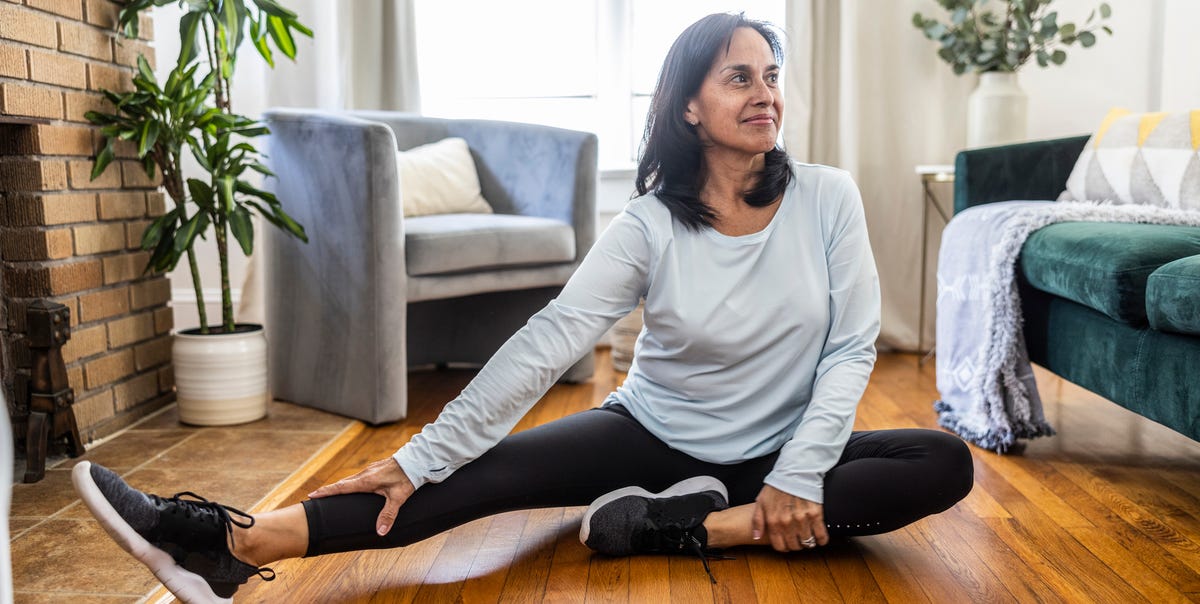
Wear breathable clothing to help manage overheating and hot flushes.Try new activities like Pilates, yoga or martial arts to improve balance and keep things interesting.Include strength training at least twice a week to support bone health, reduce body fat and boost metabolism.Aerobic exercise releases endorphins, helping to lift mood and maintain a healthy weight.If you’re feeling tired, listen to your body and scale back – even a walk counts.
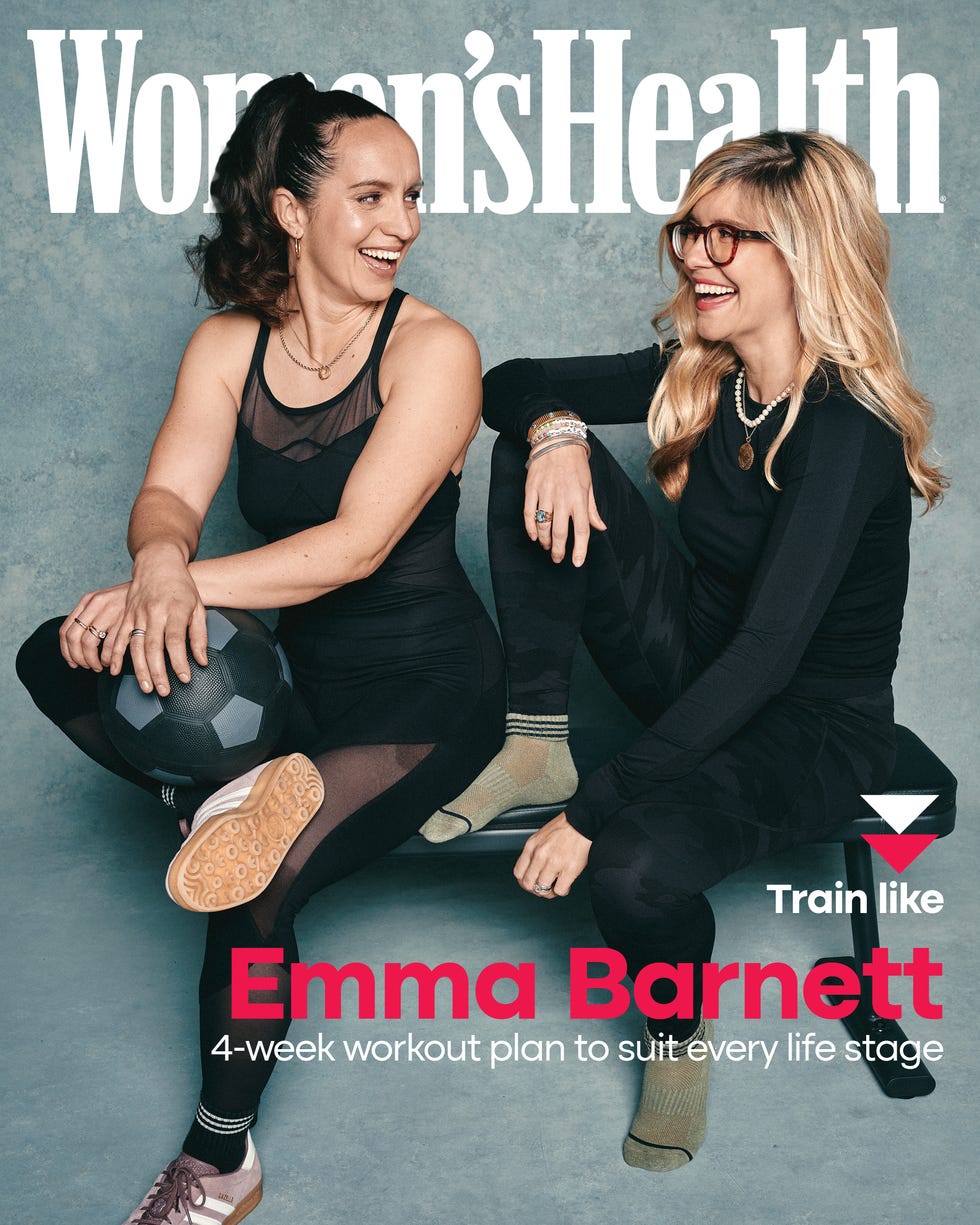
After years living with endometriosis and undergoing seven rounds of IVF, Radio 4 presenter Emma Barnett turned to training with PT Frankie Holah to rebuild strength and a more positive relationship with her body. Download the Women’s Health UK app to access Frankie’s full training plan.
 Related Stories