“So the other disciples told him, ‘We have seen the Lord.’ But he said to them, ‘unless I see the mark of the nails in his hands, and put my finger in the mark of the nails and my hand in his side, I will not believe.’” – John 20:25
Can you imagine being the only close disciple of Jesus to happen to be out somewhere when he made a return visit after his death and reported resurrection?
We are often unfairly critical of Thomas, branding him forever the “doubter”. But the truth is, Jesus showed his wounds to all the disciples before they rejoiced.
We are often quick to judge those who express doubt about a particular scripture reading or even a modern-day miracle as those who lack faith. In fact, Thomas was very faithful. He was a loyal follower of Jesus, having even offered to go to Bethany and face death with him when Jesus returned there after hearing that Lazarus had died. And aside from his courage, Thomas was quite honest. When Jesus began to talk about a place he was going to prepare for them, Thomas confessed he was confused.
He said, “Lord, we do not know where you are going. How can we know the way?” (To which Jesus famously responded, “I am the way, the truth and the life.”)
The truth is, we focus on Thomas’ doubt because we have been conditioned to believe that doubt is the same as a lack of faith.
I don’t believe that’s the case.
Just because I don’t believe something, or have doubts and questions about the context of some scriptures, that doesn’t mean I have lost my faith. I think our doubts and our need to wrestle with spiritual matters are healthy and can be very productive. I also believe saying we have “no doubts” is a lie. We all have doubts, and opening a healthy discussion about them might just make the faithful seem less like know-it-alls and more like everyone else.
I believe being honest, like Thomas, about our inability to believe what seems unbelievable is natural. I have experienced a miracle or two in my own life and I know people find it very hard to believe what I say about those miracles. I don’t get upset about their questions or the ways they try to change the story to fit what is rational and normal. I accept the fact that what is miraculous sometimes must be personally experienced to be believed. I also believe that miracles are sometimes only meant to bless a handful of people and that God works that out in ways I can’t.
Jesus used Thomas’ doubt as an opportunity to assure him (and all of us) that he didn’t have to see everything first-hand to believe it – that, in fact, there were those who believed without seeing, and that they were blessed because they could. Today, we have no choice but to believe even though we have not seen Jesus and touched his wounded body. And yet….wouldn’t our own faith be made much stronger if we could see Jesus?
We are all doubters. When we can admit that and accept it as part of our humanness, our faith looks much more authentic.
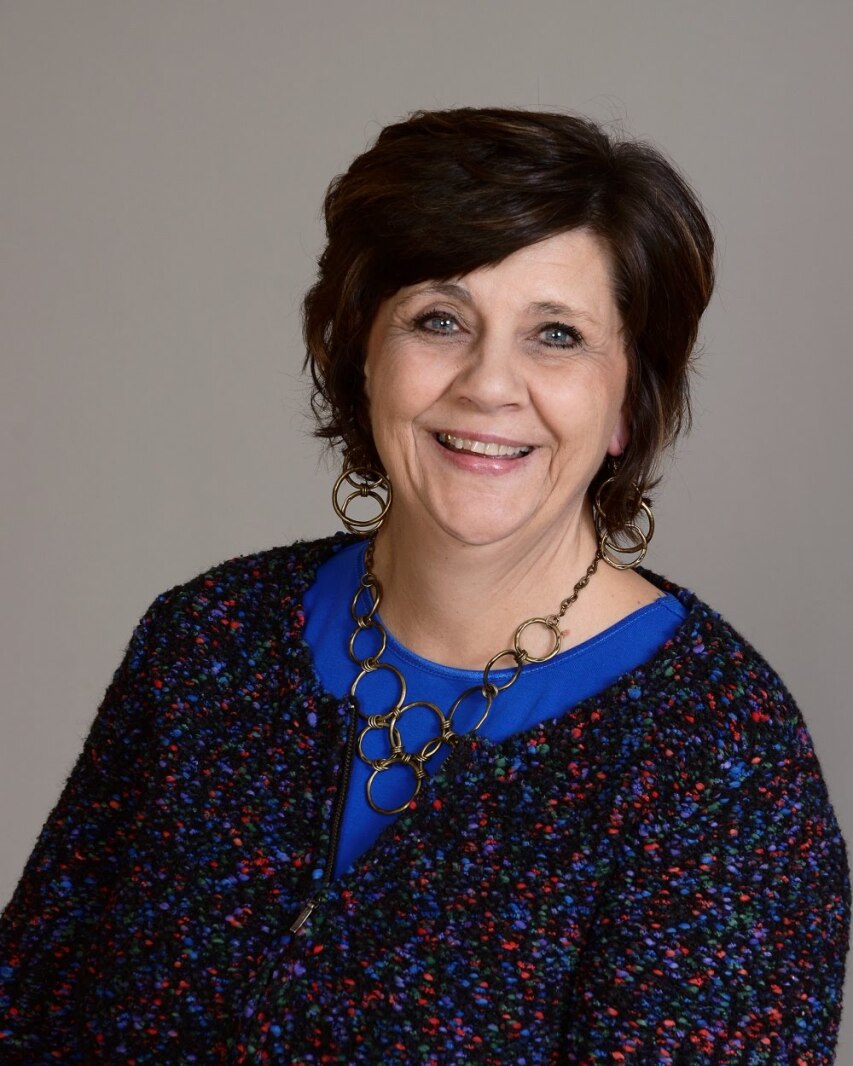
Rev. Janel F. Kolar is the pastor at First Congregational Church, United Church of Christ in Dickinson, North Dakota.