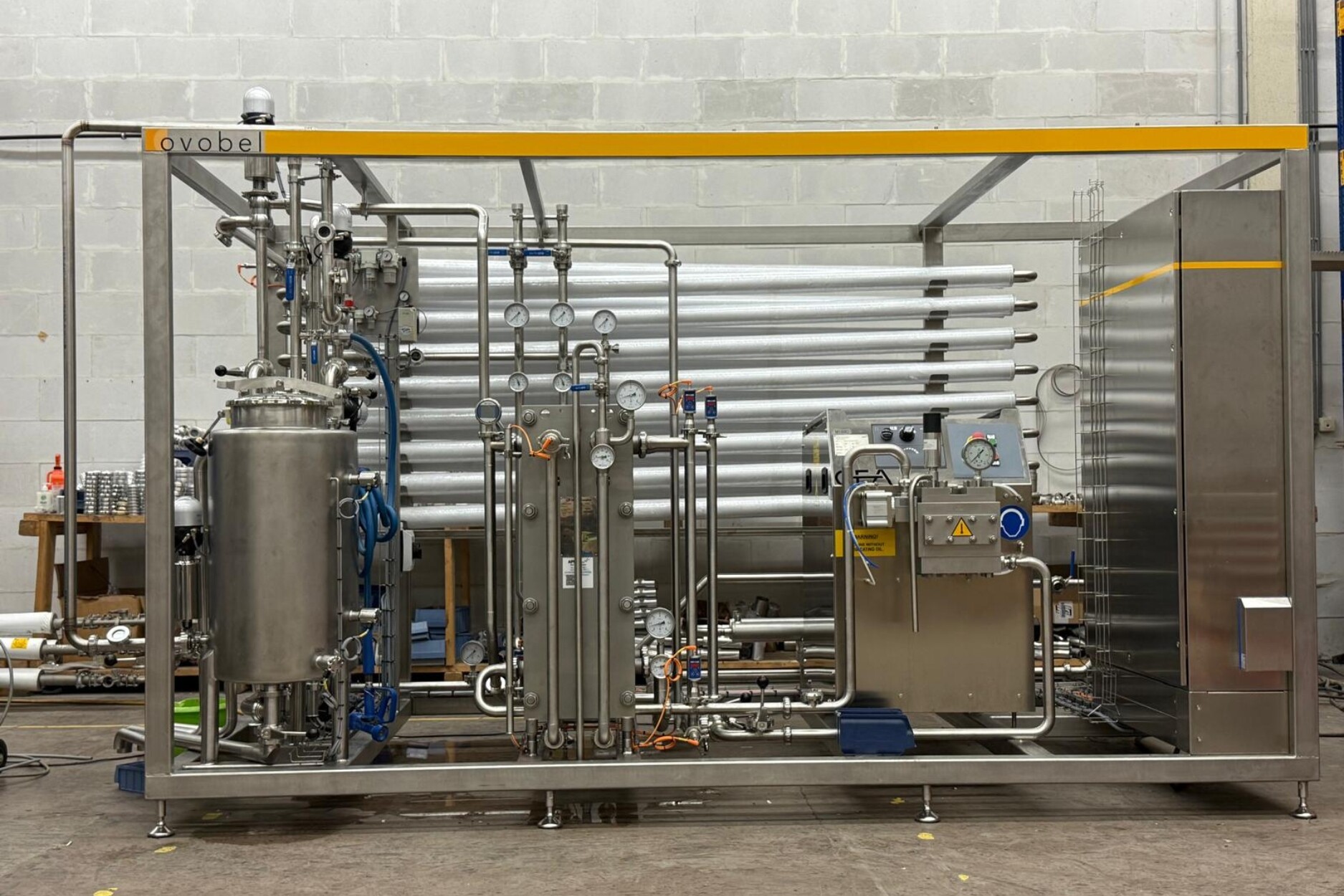
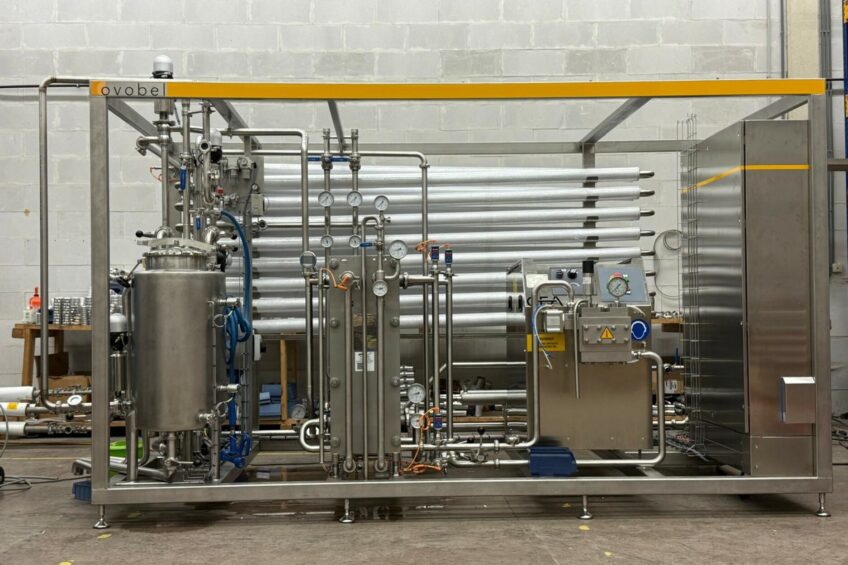
 A pasteurisation unit for liquid eggs – a key step in ensuring microbiological safety prior to drying. Photos: International Egg Foundation
The International Egg Foundation is providing expert guidance to UNICEF to establish a new egg powder processing plant, which is currently in transit to Ethiopia for installation and commissioning.
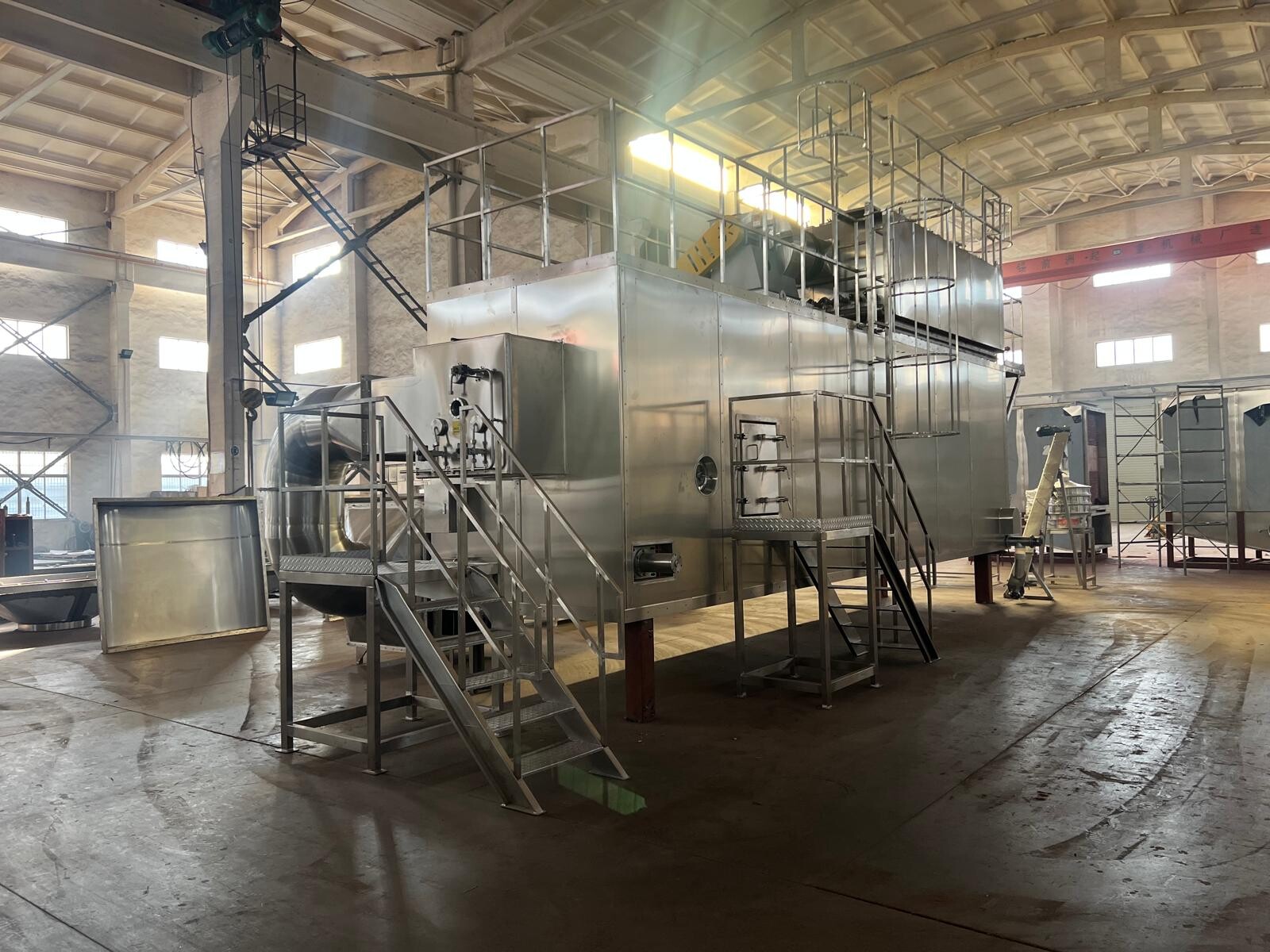 A box dryer used for the production of egg powder, forming part of the processing system being shipped to Ethiopia.
This complete, ready-to-operate plant – complete with all necessary liquid egg pasteurization equipment – is a key component of a broader initiative to enhance child nutrition by bolstering local food production. It will ensure a reliable supply of safe, affordable egg powder made from local eggs, advancing UNICEF’s nutritional goals and Ethiopia’s national development priorities.
The programme centres on an ‘Egg Powder in a Box’ concept, developed by Steve Manton, International Egg Foundation trustee, and Philip van Bosstraeten of Ovobel Engineering. The concept converts fresh shell eggs into a high-quality, shelf-stable and versatile ingredient that can be used in nutrition programmes, including school feeding initiatives and other specialised feeding needs.
A stable supply of the nutrients in eggs
Eggs are recognised by UNICEF as a key nutrient-dense food, providing high-quality protein and essential micronutrients for children’s diets. The organisation recommends eggs as part of diversified diets for children and is exploring their inclusion in feeding programmes where access to fresh eggs may be sporadic or limited.
ALSO READ: Nigeria’s US$1 billion National Integrated Poultry Project takes flight
Prior to drying, liquid eggs are processed through a tubular pasteurisation unit – a critical step in ensuring microbiological safety, product consistency and compliance with food safety standards. The processing system also includes a box dryer for egg powder, enabling efficient drying and handling of the product while maintaining quality and food safety standards.
Key partners and implementation
IEF is providing technical guidance and ongoing support to ensure the successful installation, commissioning and operation of the facility. UNICEF is leading programme implementation, with a focus on improving child nutrition, strengthening local food systems and exploring the potential for replication in other countries.
ALSO READ: Is South Africa the second most competitive poultry producer in the world?
Ovobel Belgium, a specialist in this field, is supplying and installing the egg powder processing equipment package, while Vision Foods will operate the processing plant locally in Ethiopia. The programme is further supported by the Ethiopian Ministry of Agriculture and the Ministry of Health, whose engagement helps ensure alignment with national agricultural and nutrition strategies, as well as facilitating the importation and clearance of equipment.
A blueprint for Africa-wide replication
The facility will utilise locally produced eggs, contributing to domestic value chains while addressing Ethiopia’s significant child food poverty challenges. Egg powder offers a cost-effective alternative to some existing nutrition ingredients and provides advantages in shelf life, storage and distribution.
ALSO READ: Exploring Africa’s poultry powerhouses – a spotlight on Kenya
UNICEF views the project as a potential blueprint for similar facilities in other countries, with the possibility of scaling production or exporting egg powder packs to other regions in Africa.
Installation of the plant is anticipated in the second quarter this year.
Join 31,000+ subscribers Subscribe to our newsletter to stay updated about all the need-to-know content in the poultry sector, three times a week.
“*” indicates required fields