 8 min read
As a dietitian, I’m all for finding creative ways to make your morning coffee work harder for your health. But when I first heard about mushroom coffee, I’ll admit that I was curious (and maybe a little skeptical). There is no doubt that mushrooms are a nutritional powerhouse, but I wasn’t sure about a mushroom beverage.
Still, I knew I had to try it for myself to better guide my clients. After all, more and more people are buzzing about mushroom coffee—not just as a trendy wellness drink, but as a potential alternative for those looking to cut back on caffeine or explore functional foods, those that provide health benefits beyond basic nutrition, containing compounds that promote wellness or reduce disease risk. As someone who loves staying ahead of health and nutrition trends, I couldn’t pass up the chance to see what all the hype was about.
What is mushroom coffee?
If you’re unfamiliar, mushroom coffee isn’t made by tossing a portobello into your mug. Instead, it’s a beverage that combines functional mushrooms, like lion’s mane, chaga, or reishi, with coffee or serves as a coffee alternative. Functional mushrooms are known for their potential health benefits, such as boosting focus, supporting immunity, or reducing stress. Typically sold in powdered form, mushroom coffee is easy to prepare; just mix it with hot water. Some blends combine traditional coffee beans with mushroom extracts for a balanced flavor and caffeine boost, while others are entirely coffee-free. These coffee-free options often include ground mushrooms along with ingredients like cacao, chicory, or adaptogenic herbs to replicate the rich, earthy taste and comforting ritual of coffee.
My mushroom coffee experience
For my experiment, I opted for Four Sigmatic Focus coffee a popular mushroom coffee, as my morning brew swap for a few days. This brand mixes real coffee and the extract of two functional mushroom varieties—lion’s mane and chaga. Upon my first sip, I braced myself for an earthy, overpowering flavor, but to my surprise, it tasted remarkably similar to my regular cup of joe. It was smooth, satisfying, and didn’t feel like a compromise at all.
After my cup, I felt alert and focused, sure, but not more so than I would on my typical coffee-fueled days. I wasn’t suddenly knocking out my to-do list with superhuman efficiency. My mind still wandered when I tried to tackle my inbox, and I still found myself daydreaming when I should have been working. That said, I appreciated that the mushrooms may have given me a little wellness boost to my morning routine.
Would I drink mushroom coffee again if someone offered it to me? Absolutely. Would I recommend it to my nutrition counseling clients? Yes, particularly for those who might benefit from the potential long-term effects of functional mushrooms, such as improved focus, reduced stress, or immune support. This could include individuals with demanding schedules, high stress levels, or those looking for a natural way to support their overall wellness. For some, incorporating mushrooms into a daily coffee habit may be easier than remembering to take supplements or use powders and capsules in other ways. While mushroom coffee could technically be considered a supplement in this context, it’s more about creating a consistent, enjoyable habit rather than adding another pill or powder to their routine. Now, when clients ask me about it, I can confidently share my experience and encourage them to give it a try if they’re curious.
That said, one drawback is the price. Mushroom coffee tends to be more expensive than many traditional bagged coffees, which is the main reason I haven’t made it a permanent part of my own routine. For me, it’s more of a “nice-to-have” than a daily staple.
How does mushroom coffee compare to traditional coffee?
Mushroom coffee and the traditional stuff might look the same, but they have key differences that set them apart.
Traditional coffee is made from roasted coffee beans, offering a bold flavor and a caffeine boost. Mushroom coffee often combines coffee beans with extracts of functional mushroom such as lion’s mane, chaga, or reishi, or replaces coffee entirely with ground mushrooms and other ingredients like ashwagandha. The flavor can vary depending on the type of mushrooms used in the coffee, as well as the beans used if it is a coffee-mushroom blend. In my experiment with a coffee-mushroom blend, there was no noticeable difference, but 100 percent mushroom coffee tends to taste more earthy; when I tried a cup at a local coffee shop once, it was drinkable but not something I’d want to drink sip every day.
One of the biggest differences is the caffeine content. Traditional coffee is a concentrated source of caffeine, which can sometimes lead to jitters, energy crashes, or digestive discomfort in sensitive individuals. Mushroom coffee, especially blends that cut coffee with mushrooms, tends to have less caffeine, making it a milder option for those looking to reduce their intake.
That said, it’s important not to discount the health benefits of traditional coffee, which has been linked to a reduced risk of Alzheimer’s disease, Parkinson’s disease, and type 2 diabetes. Combining coffee with certain functional mushrooms may offer a unique synergy, allowing you to enjoy the energizing and protective properties of coffee alongside the wellness benefits of mushrooms.
So, what are the health benefits of mushroom coffee?
Some of the purported health benefits of mushroom coffee could have you reaching for a cup tomorrow morning.
It can have less caffeine, or none at all.
Mushroom coffee can have less caffeine—and some have almost zero caffeine if it is made with decaf coffee or no traditional coffee at all. This means that if traditional coffee makes you jittery or is interfering with your sleep, mushroom coffee may be a good substitute. Also, if you are trying to cut ties with coffee but struggle with the idea of going cold turkey, it can be used as a transitional beverage to gradually wean yourself off. It is important to note that not all mushroom coffees have lower caffeine content. The one I tried has just as much caffeine as my regular cup of Joe (150 mg/serving).
It may help manage stress.
Some functional mushrooms used in these coffees are defined as adaptogenic, meaning they help the body adapt to stress. Rather than directly increasing or decreasing chemical reactions, adaptogenic herbs and mushrooms are thought to support the body’s stress response by modulating systems like the hypothalamic-pituitary-adrenal (HPA) axis (which helps regulate stress hormones) and helping maintain balance.
It supports immune health.
Mushroom coffee is often touted for its potential to support immune health. This is because certain functional mushrooms, such as reishi and chaga, contain bioactive compounds that influence your health, such as beta-glucans, a type of soluble fiber that may strengthen your immune system. Additionally, these compounds may help reduce inflammation, which can negatively impact overall health and immune function over time.
It may help protect against chronic disease.
Long-term inflammation is a known risk factor for many chronic diseases, and some research suggests that compounds in certain adaptogenic mushrooms, such as beta-glucans, may help regulate inflammation. Additionally, adaptogenic mushrooms are being studied in integrative oncology for their potential role in cancer care. However, more research is needed to fully understand how these mushrooms, including those found in mushroom coffee, may contribute to these effects.
It may support focus and brain health.
Certain functional mushrooms are gaining attention among researchers for their potential to support focus, memory, and overall brain health. Lion’s mane, in particular, is being studied for its potential to promote the growth and repair of nerve cells, which is essential for maintaining cognitive function. Cordyceps may help support energy levels, while reishi is often associated with stress reduction. The effects of both cordyceps and reishi may indirectly enhance focus and mental clarity.
Are there any risks or side effects of mushroom coffee?
Mushroom coffee is generally considered safe for most people, but there are a few precautions to keep in mind.
If you have an autoimmune condition, diabetes, or a bleeding disorder, it’s important to consult your doctor before trying mushroom coffee, as some functional mushrooms may affect immune function, blood sugar levels, or blood clotting.
Additionally, if you are pregnant or breastfeeding, it’s best to avoid mushroom coffee, as the safety of adaptogenic mushrooms for these groups has not been well-studied.
Those with a mushroom allergy should avoid these drinks, too.
If you have irritable bowel syndrome, this drink may not be a good beverage for you. All types of mushrooms are considered to be high-FODMAP, meaning they contain certain types of fermentable carbohydrates that can be difficult to digest for some people. For individuals with IBS or a known mushroom intolerance, consuming a coffee alternative made with powdered mushrooms could potentially trigger symptoms or a flare-up.
It’s also worth noting that many of the studies on functional mushrooms are based on consistent daily intake rather than occasional consumption, such as with a sporadic cup of mushroom coffee. Additionally, the research often uses specific concentrations of mushroom extracts, which may differ from what’s found in coffee blends. While the potential benefits are promising, robust clinical data are still needed to fully understand the long-term effects and optimal intake of functional mushrooms in coffee or otherwise. One study showed that while mushrooms are rich in β-glucan, mushroom coffee contains lower levels of this compound.
What to look for in mushroom coffee
When choosing mushroom coffee, it’s important to pay attention to the type of mushroom extract used. Ideally, look for products that include “fruiting bodies,” which are the above-ground parts of the mushroom (e.g., the cap and stem). Fruiting bodies are typically richer in beneficial compounds such as beta-glucans. In contrast, some products use mycelium, the root-like structure of the mushroom, which may contain fillers such as grain from the growing process. While mycelium has its own unique properties, fruiting body extracts are often considered more potent and effective for functional benefits.
Additionally, check for transparency in sourcing and ingredient quality. Look for seals or certifications such as USDA Organic, Non-GMO Project Verified, or labels indicating third-party testing for purity and potency. Phrases like “lab-tested,” “certified organic,” or “verified for quality” can also signal higher standards. Also, consider the caffeine content and whether the blend aligns with your dietary preferences, such as being dairy-free, low in sugar, or meeting other specific needs.
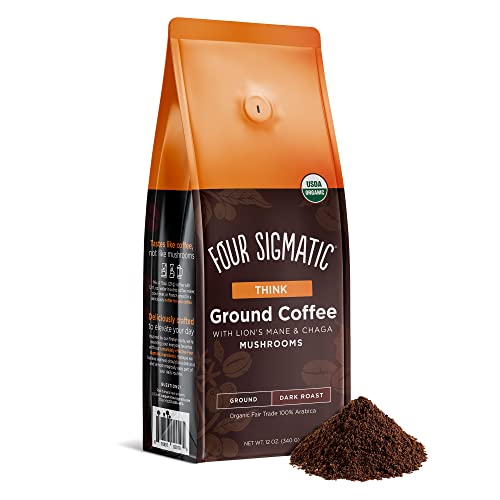 Four Sigmatic Mushroom Ground Coffee
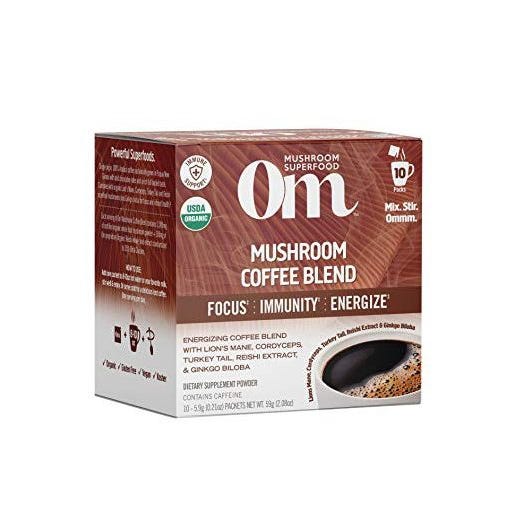 Om Mushroom Superfood Superfood Coffee Blend Mushroom Powder
Now 40% Off
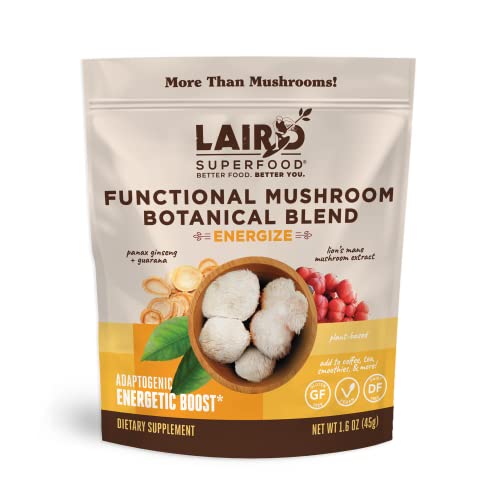 Laird Superfood Functional Mushroom Botanical Blend
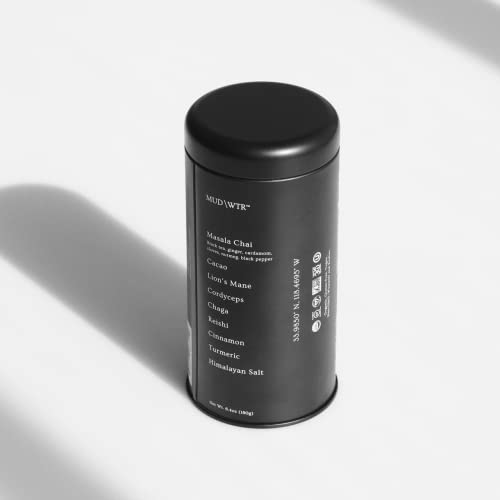 MUD\WTR Mushroom-Based Coffee AlternativeRelated StoriesReady to give it a try?
Four Sigmatic offers a variety of mushroom coffee blends, such as Focus Ground Coffee (made with real organic coffee and Lion’s Mane mushroom) and Gut Health Ground Coffee (made with organic coffee, probiotics, prebiotics, turkey tail, and chaga mushrooms). Four Sigmatic uses the fruiting bodies of the mushroom, and it is USDA certified. It is also 3rd party tested for heavy metals, mycotoxins, mold, yeast, and pesticides, meaning that it is verified to be free from these ingredients.
North Spore Functional-5 Mushroom Coffee is another option that combines five organic mushroom fruiting body extracts, including lion’s mane, chaga, and reishi. It’s crafted for mental clarity, focus, and sustained energy without the crash. North Spore Functional-5 Mushroom Coffee is also made with Certified Fair-Trade coffee.
Finally, MUD/WTR is a functional mushroom coffee alternative that is made with 100% organic cacao and nootropics, which are natural or synthetic substances believed to support brain function, including focus, memory, and mental clarity. Each cup only has 35 mg caffeine, and contains ingredients with anti-inflammatory properties, including turmeric, along with the functional mushroom blend.