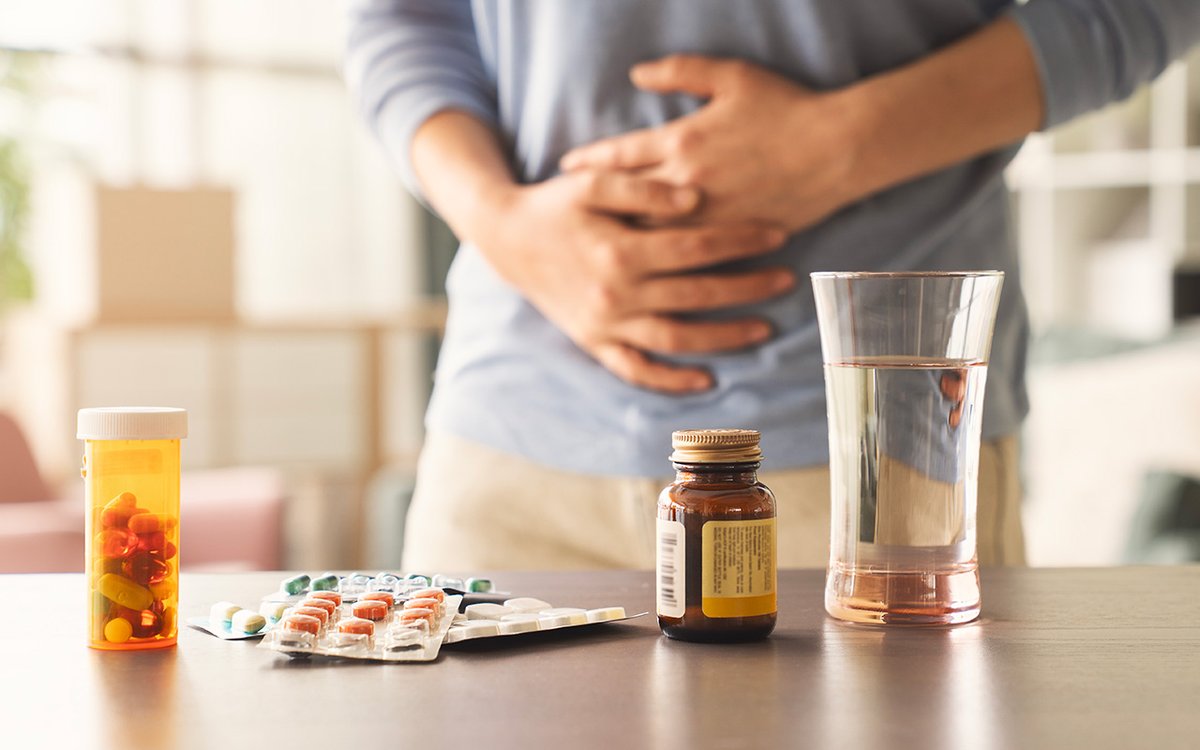
Have you gone to a Health Store looking for something to help with your gut dysfunction only to be paralyzed in front of a wall of gut support supplements? The overwhelm is enough to send a person to the shelf with the Pepto-Bismol and Metamucil.
Per my previous articles, microbiome function and gut repair can be complex and if you haven’t already, I urge you to take a look back for greater context. I often use nuanced and sometimes complex protocols individualized to my patient’s circumstances. But to help you through the supplement quagmire, this article focuses on two popular supplement categories that many use but are often misunderstood: Probiotics and Prebiotics. Both can be tremendously helpful for building gut resilience though keep in mind they are not substitutes for foundations such as diet.
Probiotics: Consultants, Not Colonizers
A probiotic is defined as a live microorganism that, when taken in adequate amounts, confers a health benefit. I often describe them as microbiome consultants. Rather than taking up permanent residence, they show up, assess the chaos, and influence shifts in the ecosystem toward balance—encouraging beneficial species and discouraging disruptive ones.
Researcher and clinician Jason Hawrelak, PhD, shares his extensive work correlating specific probiotic strains with researched clinical outcomes through his Probiotic Advisor website. He emphasizes that probiotics are not interchangeable, despite marketing that suggests otherwise. Often overlooked is the importance of strain specificity (for example, Lactobacillus rhamnosus is a species, while Lactobacillus rhamnosus GG is a strain). Hawrelak likens this to dog breeds: all the same species (Canis lupus) with vastly different characteristics (think Great Dane vs Chihuahua).
 Stay on top of the news of the day
Subscribe to our free, daily e-newsletter to get Milwaukee’s latest local news, restaurants, music, arts and entertainment and events delivered right to your inbox every weekday, plus a bonus Week in Review email on Saturdays.
Here are a few of my “go‑to” probiotic strains listing just some of their studied benefits:
Lactobacillus rhamnosus GG well studied; helpful for antibiotic‑associated diarrhea, Irritable bowel syndrome, NSAID (Ibuprofen etc.) use and more.
Bifidobacterium lactis HN019 – useful for disruptive species overgrowth, slow transit time, metabolic syndrome and diarrhea.
Bifidobacterium longum BB536 – supports motility (constipation), immune function and microbiome balance.
Lactobacillus rhamnosus GR‑1 and Lactobacillus reuteri RC‑14 – oral probiotics that support the vaginal microbiome.
Saccharomyces boulardii CNCM I‑745 (a beneficial yeast) – invaluable after antibiotics; suppresses pathogenic and yeast overgrowth and supports gut barrier integrity.
Check out Probiotic Advisor data base to learn more and always read supplement labels. If it doesn’t even list strains, it is probably not a great product.
Prebiotics: Feeding the Right Guests
If probiotics are the consultants, prebiotics are the chefs. Prebiotics and prebiotic‑like fibers are non-digestible complex carbohydrates that selectively feed beneficial microbes. Obtainable in certain foods, supplemental prebiotics offer larger doses and can be even more effective. Here are some favorites with just some of their benefits:
PHGG (Sunfiber ™) – helpful for both constipation and diarrhea; well tolerated and promotes butyrate‑producing bacteria (butyrate is anti‑inflammatory and nourishes the gut lining).
Lactulose – supports keystone species and suppresses pathogens in part by lowering stool pH; helpful for leaky gut and yeast suppression (prescription required in the U.S.).
Inulin / Fructooligosaccharides (FOS) – support beneficial microbes and have demonstrated benefits for immune function, calcium absorption and blood sugar regulation.
Galacto‑oligosaccharides (GOS) – may support anxiety reduction, traveler’s diarrhea prevention, constipation relief, calcium absorption and metabolic health.
BE MINDFUL: Meet your microbiome where it’s at. Prebiotics can cause gas, bloating, or loose stools, particularly in individuals with significant microbiome imbalances or small intestinal bacterial overgrowth. In these cases, professional guidance can be helpful. Trial each separately, starting at low doses. Advance slowly and adjust doses up or down as needed. Once tolerated, prebiotics can be layered and doses gradually increased over time.
The Takeaway
Not a quick fix, building gut resilience is a gradual process requiring steady consistent attention along with self-kindness. When the microbiome is supported thoughtfully, it adapts, recovers, and maintains balance with less effort. That quiet competence is the hallmark of a healthy gut that translates to a healthy you.
The content of this article is for informational purposes only and is not meant to serve as medical advice or as information to facilitate self-treatment.