This article contains affiliate links; if you click such a link and make a purchase, we may earn a commission.

The Pros and Cons of a Beetroot Powder SupplementJonathon Kambouris – Gallery Stock
“Hearst Magazines and AOL may earn commission or revenue on some items through these links.”
BEETS ARE A nutrient-dense superfood. But do the health benefits still remain if condensed into a supplement? Introducing beetroot powder.
Beetroot powder is available as a standalone product, though it occasionally pops up as an added ingredient for pre-workout energy boosters and heart health chews. Advertisements regarding beetroot supplements claim it’s a game-changer for your heart and to make workouts easier by improving blood pressure and circulation. Often, these companies will cite beets’ ability to boost nitric oxide, a molecule that helps blood vessels expand and contract.
While the science is clear on beets, the health benefits of a vegetable may not always translate in pill form. That’s why MH dug into the research and talked to a nutrition expert to get to the root of these claims. Here’s what we found.
What Is Beetroot Powder?
IT’S BEETS, BUT in powder form.
“Beetroot contains two types of bioactive constituents, betalains (which give the purple color) and nitrate (which also occurs in similar amounts in some other common vegetables, like celery and lettuce),” says Kirsten Brandt, PhD, senior lecturer at the Human Nutrition & Exercise Research Centre at the UK’s Newcastle University. Betalains have heart-protecting properties, and your body converts nitrate into nitric oxide to help regulate your circulatory system and reduce inflammation.
More good news: These compounds stay mostly intact when beets undergo processing into powder or even juice. Concentrations vary by beet variety and processing method, but research suggests both powders and juices can both hold onto in those beneficial compounds. (Fun fact: Often, beetroot powder is just freeze-dried beet juice).
What Is Beetroot Powder Good For?
IN SUPPLEMENT FORM, beets might:
Moderately Reduce Blood Pressure
A study review published in Frontiers in Nutrition showed that people who consumed beetroot juice daily for anywhere from three to 60 days reduced their systolic blood pressure by five more points than the control group. The reason: Nitric oxide helps blood vessels relax.
Make Hard Workouts Easier
A study review in the Journal of the International Society of Sports and Nutrition suggests that beetroot juice supplements might boost power and improve performance during high-intensity exercise. Again, nitric oxide comes into play by helping your muscles maintain phosphocreatine, a building block that otherwise depletes during a hard workout. Beets also improve the release and use of cellular calcium to help you contract muscles faster.
Improve Muscle Recovery
A study review published in Sports Health suggests that a few days of beetroot supplementation can speed recovery from post-workout muscle soreness. One theory is that nitric oxide reduces muscle inflammation and aids regeneration.
Assist Your Memory
A study in the European Journal of Nutrition, people who consumed three grams of chewable beetroot powder tablets 90 minutes before taking memory tests scored 21 percent higher on a test of short-term memory than they did after taking a placebo. A beet-induced boost in nitric oxide might increase cerebral blood flow, temporarily boosting brain power, the researchers say.
So the benefits of beets are promising, but don’t get too excited yet. Beet supplement studies have small numbers of participants (just five to 80 in the studies cited above) and lack the rigor of drug trials, says Brandt. (For comparison, a phase III drug trial would likely have 1,000+ participants.)
That means it’s hard to generalize the results and conclude whether the benefits shown in these supplement studies would apply to all or most of the population, including you.
And don’t count on beetroot supplements to save your heart in the long run. There’s no evidence that the acute benefits of beetroot powder, for your heart or elsewhere, add up over time.
Without high-quality longitudinal studies, any claims implying long-term benefits can’t be verified. And since the good-for-you compounds in beets can’t be patented, “there is little economic incentive for the industry to carry out large well-controlled trials,” says Brandt.
Should You Take Beetroot Supplements?
YOUR BEST BET is eating more beets in their whole vegetable form, says Brandt.
Whole beets contain beneficial fiber, which some supplements lack. Now if you hate the taste or can’t bear the chore of peeling beets, the supplements can help. Just make sure you consume other foods rich in fiber, like whole grains, says Brandt.
What Should You Look for in a Good Beetroot Supplement?
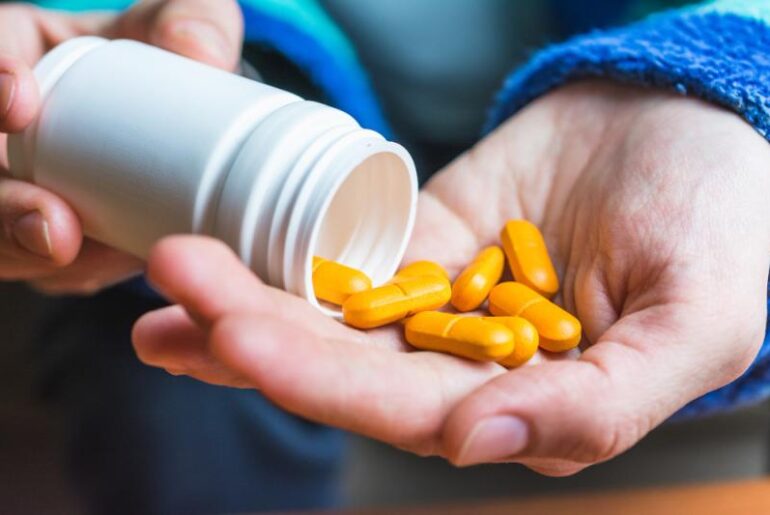
WHEN SHOPPING FOR beet powder, avoid capsules and opt for a loose powder or chewable option instead. The process of converting nitrate to nitric oxide begins in your mouth, thanks to an assist from bacteria on your tongue, says Brandt. Capsules bypass this process and land further down in your digestive tract. Also, skip antibacterial mouthwash before you take your beets. Brandt warns it can interfere with nitrate’s conversion to nitric oxide.
Who Should Not Take Beetroot Supplements?
AVOID BEETROOT SUPPLEMENTS if you already have hypotension and don’t need your blood pressure to go any lower. Additionally, steer clear of beetroot powder if you have a high risk of kidney stones. Beets contain a lot of stone-forming oxalate.
If you have high blood pressure and already take medication for it, talk to your doctor before buying a beet supplement. If it works, Brandt says your doctor might need to adjust your medication.
You Might Also Like