Abstract
According to the latest IndexBox report on the global EU Longevity Supplements market, the market enters 2026 with broader demand fundamentals, more disciplined procurement behavior, and a more regionally diversified supply architecture.
The global market for EU longevity supplements is undergoing a fundamental transformation, evolving from a niche within general wellness into a distinct, science-led category defined by its focus on extending healthspan. Forecasts for the 2026-2035 period indicate robust expansion, driven by converging demographic, scientific, and consumer trends. The market is bifurcating into a commoditized mass segment and a high-growth premium tier centered on biohacking and personalized nutrition, creating separate competitive dynamics. Demand is increasingly segmented by specific need states—cognitive support, cellular health, joint maintenance—each with unique consumer behaviors and price sensitivities. This evolution is supported by growing public investment in aging research, translating into more substantiated ingredient claims. However, growth is tempered by stringent regulatory scrutiny on health claims, particularly under the EU’s food supplement directive, which mandates rigorous scientific substantiation and limits marketing messaging. The route-to-market is also fragmenting, with e-commerce and direct-to-consumer models capturing disproportionate growth for premium, high-consideration products, while traditional retail channels remain vital for credibility and mass-market reach.
The baseline scenario for the EU longevity supplements market from 2026 to 2035 projects sustained, above-average growth within the broader nutraceutical sector. This outlook assumes continued demographic pressure from an aging global population with rising disposable income, coupled with steady, though not revolutionary, advancements in nutritional science that validate key anti-aging pathways. The market will be characterized by increased polarization. The mass-market segment, focused on general wellness and preventive maintenance, will face intense margin pressure from private-label competition and retail consolidation. Conversely, the premium segment, driven by specific, scientifically-backed formulations for cognitive function, cellular repair, and metabolic health, will see stronger value growth, defended through clinical validation, subscription models, and community-based marketing. Regulatory frameworks, especially in Europe, will remain a defining constraint, forcing brands to invest in substantiation or navigate implied benefits. Supply chain integrity for novel ingredients like NMN or spermidine will become a critical brand equity component. Geographically, North America and Western Europe will remain premiumization battlegrounds, while Asia-Pacific emerges as the fastest-growing demand region, particularly for products with strong scientific positioning.
Demand Drivers and ConstraintsPrimary Demand DriversAging global population seeking proactive healthspan management.Rising consumer literacy and interest in biohacking and personalized nutrition.Increasing scientific research validating mechanisms of specific nutrients on aging pathways.Growth of direct-to-consumer e-commerce channels facilitating access to specialized products.Convergence of beauty and wellness, driving demand for ingestible skincare supplements.Expansion of preventative healthcare paradigms and self-care trends.Potential Growth ConstraintsStringent and fragmented global regulatory environments limiting health claims.High cost and complexity of clinical trials required for scientific substantiation.Consumer skepticism and market saturation with overlapping product claims.Supply chain vulnerabilities and quality inconsistencies for novel, specialty ingredients.Intense price competition and private-label encroachment in mass-market segments.Demand Structure by End-Use IndustryCognitive Function and Brain Health (estimated share: 28%)
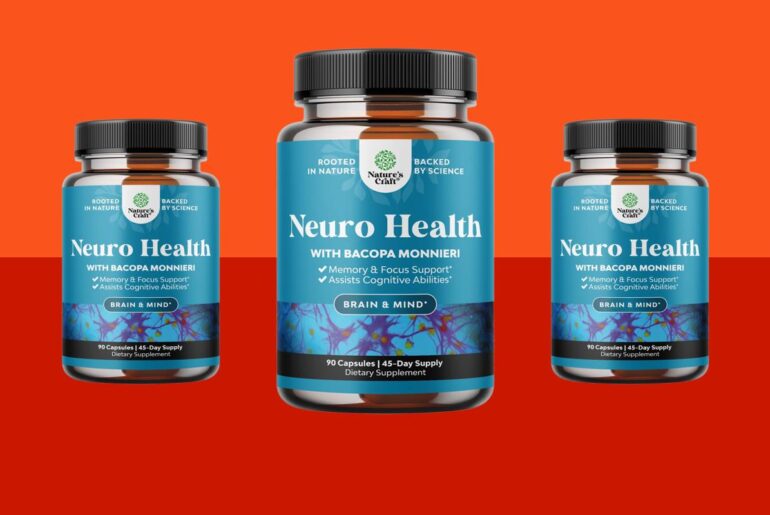
This segment addresses age-related cognitive decline and the pursuit of mental performance, driven by an aging population and rising awareness of the gut-brain axis. Current demand centers on nootropic blends containing ingredients like citicoline, phosphatidylserine, and specific botanicals (e.g., bacopa monnieri). Through 2035, demand will shift towards more targeted formulations backed by emerging research on neuroinflammation and mitochondrial function in the brain. Key demand-side indicators include clinical study publications on specific compounds, prescription rates for cognitive pharmaceuticals (creating an adjacent market), and search trend volume for terms like ‘brain fog’ and ‘focus supplements’. Growth is fueled by the high perceived value of cognitive preservation, allowing for premium pricing, especially as white-collar professionals seek cognitive edge and older adults prioritize dementia risk reduction. Current trend: Rapid Growth.
Major trends: Integration of nootropics with traditional brain health nutrients like Omega-3s, Focus on mitochondrial support ingredients (e.g., PQQ, CoQ10) for neuronal energy, Rising demand for stress-adaptogens linked to cognitive performance (e.g., rhodiola, ashwagandha), Personalized stacks based on genetic testing or biomarker feedback, and Blurring lines with general wellness for younger consumers seeking productivity.
Representative participants: Nestlé Health Science (Brain Health Xcel), Life Extension, Jarrow Formulas (Neuro Optimizer), Thorne HealthTech, NOW Foods, and HVMN.
Anti-Aging and Cellular Health (estimated share: 22%)
This is the core, scientifically-aspirational segment of the longevity market, targeting fundamental aging processes like cellular senescence, NAD+ depletion, and protein homeostasis. Current products focus on ingredients like resveratrol, NMN, NR, spermidine, and fisetin. Through 2035, demand will be driven by the translation of academic longevity research into commercial formulations, moving from single-ingredient supplements to complex, mechanism-based stacks. Demand-side indicators include patent filings for novel anti-aging compounds, investment in biotech startups focused on longevity, and media coverage of key aging hallmarks. This segment commands the highest price points and is most sensitive to claims of scientific validation. Growth is concentrated among biohackers and early adopters but is gradually moving towards a broader, health-literate mainstream audience concerned with intrinsic aging. Current trend: High-Value Innovation.
Major trends: Focus on NAD+ precursors (NMN, NR) and sirtuin-activating compounds, Emergence of senolytics and senomorphics as a new ingredient category, Growing importance of third-party purity and potency testing for novel molecules, Subscription-based models for sustained supplementation protocols, and Integration with wearable device data to personalize dosing and track biomarkers.
Representative participants: Elysium Health (Basis), Life Extension, ChromaDex (Tru Niagen), DoNotAge.org, Renue by Science, and Amyris (squalane for cellular health).
Joint and Bone Health (estimated share: 20%)
Driven by the demographic inevitability of musculoskeletal aging, this segment focuses on mobility preservation and osteoporosis risk mitigation. Current demand is well-established for glucosamine, chondroitin, MSM, and calcium/vitamin D combinations. Through 2035, growth will be supported by an aging, active population unwilling to accept mobility limitations, leading to demand for next-generation ingredients like undenatured type II collagen, hyaluronic acid, and botanical anti-inflammatories (e.g., curcumin, boswellia). Key demand indicators include osteoarthritis diagnosis rates, sports participation among older adults, and sales of over-the-counter pain relievers (indicating unmet needs). This segment benefits from clear, tangible benefits (reduced pain, improved function) and strong retail presence in pharmacy and health food channels, though it faces competition from functional foods and medical devices. Current trend: Steady Expansion.
Major trends: Shift from symptom management (pain) to structural support and regeneration, Rising popularity of collagen peptides for joint, skin, and bone multi-benefit claims, Combination formulas addressing inflammation alongside structural support, Increased marketing towards active agers and athletes over 50, and Growth of clinically-dosed turmeric/curcumin as a natural anti-inflammatory.
Representative participants: Bayer (Move Free), The Bountiful Company (Osteo Bi-Flex), NOW Foods, Swanson Health Products, Jarrow Formulas, and GNC.
Skin, Hair, and Nails (Ingestible Beauty) (estimated share: 18%)
This segment, often termed ‘beauty from within,’ represents the convergence of cosmetics and nutrition, targeting aesthetic signs of aging. Current demand is dominated by collagen peptides, biotin, and hyaluronic acid. Through 2035, growth will be accelerated by the cosmeceutical trend, where consumers seek ingestible products with efficacy comparable to topical serums. Demand will evolve from general beauty support to targeted solutions for skin hydration, elasticity, and photoprotection, utilizing antioxidants like astaxanthin and specific ceramides. Key demand-side indicators include social media engagement on #beautysupplements, sales growth in premium skincare, and dermatologist recommendations. The segment attracts a younger demographic than other longevity categories and is heavily influenced by digital marketing and beauty influencer endorsements. Current trend: Convergence-Driven Growth.
Major trends: Dominance of marine and bovine collagen peptides as core ingredients, Expansion into targeted actives like ceramides for skin barrier and NAD+ for cellular repair, Synergistic bundling with topical skincare regimens, Strong growth in convenient formats (stick packs, ready-to-drink), and Premiumization through clinically-verified ‘beauty dose’ levels and patented complexes.
Representative participants: The Bountiful Company (NeoCell), Vital Proteins (Nestlé), Hum Nutrition, Olly (Bayer), Sports Research, and Ancient Nutrition.
General Wellness and Immunity (estimated share: 12%)
This is the foundational, often mass-market segment encompassing multi-ingredient formulations for overall health maintenance and immune support, which serves as an entry point to longevity positioning. Current products are broad-spectrum vitamins, mineral complexes, and immune blends with zinc, vitamin C, and elderberry. Through 2035, this segment will see incremental growth, increasingly infused with longevity-associated ingredients like basic antioxidants and probiotics to justify premiumization. However, it faces the fiercest competition from private labels and retailer brands. Demand indicators include overall consumer health expenditure, flu season severity, and preventive health screening rates. The key evolution will be the integration of ‘longevity’ messaging into mainstream multivitamins, moving them from deficiency prevention to optimal function support, though within strict regulatory boundaries for claims. Current trend: Mature but Evolving.
Major trends: Incorporation of ‘healthy aging’ blends into standard multivitamin formulas, Rising demand for immune support with adaptogens post-pandemic, Significant pressure from private-label and value-brand competition, Growth of personalized daily packs combining wellness and targeted longevity ingredients, and Increased focus on bioavailability and superior forms of basic nutrients (e.g., methylated B vitamins).
Representative participants: Pfizer (Centrum), Bayer (One A Day), Haleon, NOW Foods, Nature’s Way (Schwabe), and Kirkland Signature (Private Label).
Key Market ParticipantsRegional DynamicsEurope (estimated share: 35%)
Remains the defining regulatory environment and a major premium consumption market. Growth is steady, driven by high health literacy and aging demographics, but is tempered by the strict EU Novel Food regulations and health claim approvals (EFSA). Germany, the UK, and France are key markets. Innovation is often constrained by compliance, leading to cautious ingredient adoption. Direction: Steady Growth with Regulatory Headwinds.
North America (estimated share: 40%)
The largest and most dynamic market, characterized by rapid innovation, strong DTC brand growth, and high consumer receptivity to new scientific claims (under DSHEA). The US is the primary battleground for premium, science-forward brands. High disposable income and a strong biohacking culture fuel demand for next-generation ingredients, though market fragmentation is significant. Direction: Leading Innovation and Premiumization.
Asia-Pacific (estimated share: 20%)
Exhibiting the highest growth rate, propelled by rising middle-class wealth, aging populations in Japan and China, and a cultural affinity for preventive health. Demand skews towards scientifically-validated, high-quality products, with Japan and South Korea as sophisticated early adopters. China’s vast market is a major opportunity, though navigating local regulations and e-commerce platforms is critical. Direction: Fastest-Growing Demand Region.
Latin America (estimated share: 3%)
A developing market with growth potential concentrated in Brazil and Mexico. Demand is currently focused on mass-market wellness and beauty supplements, with longevity positioning at an early stage. Growth is constrained by lower disposable income in many countries and less developed retail infrastructure for premium health products, but e-commerce is expanding access. Direction: Emerging Potential.
Middle East & Africa (estimated share: 2%)
Remains a small, niche market. Growth pockets exist in affluent Gulf Cooperation Council (GCC) countries, where imported premium wellness products are in demand. The broader region faces significant economic and infrastructure challenges. Market development is slow, with potential tied to economic diversification and healthcare investment in key urban centers. Direction: Niche and Developing.
Market Outlook (2026-2035)
In the baseline scenario, IndexBox estimates a 8.2% compound annual growth rate for the global eu longevity supplements market over 2026-2035, bringing the market index to roughly 220 by 2035 (2025=100).
Note: indexed curves are used to compare medium-term scenario trajectories when full absolute volumes are not publicly disclosed.
For full methodological details and benchmark tables, see the latest IndexBox EU Longevity Supplements market report.