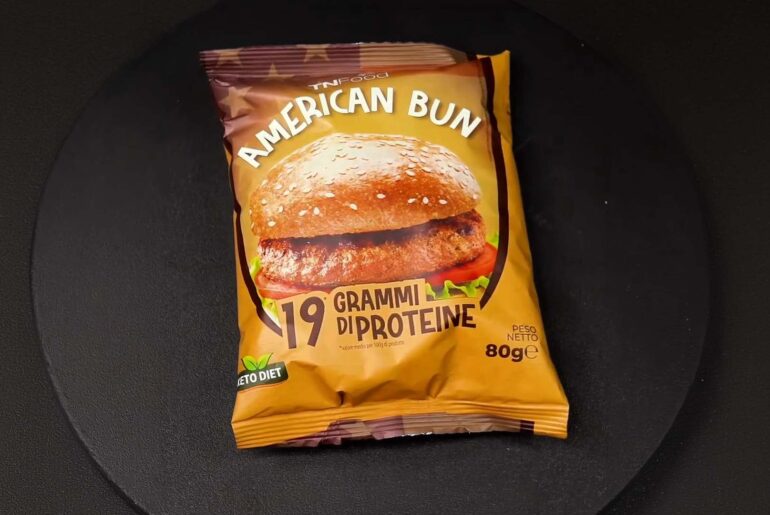

Active lifestyle nutrition is undergoing a structural transformation. Traditionally defined by products positioned for high-performance athletes, the category is increasingly leaning towards a more generalised system of functional nutrition for daily life.
This shift is not being driven by the introduction of new and novel ingredients, but rather the optimisation of existing functional systems. Ingredient technologies such as whey protein isolate, collagen peptides and soluble fibre are being reformulated into lighter and more stable formats that are more amenable to daily consumption habits.
There is also increasing focus on repeatable performance systems, which are defined by the ability to deliver functionality without sacrificing digestibility, taste and convenience across multiple product formats.
Global expansion dynamics
North America: protein clarity and mainstream retail scaling
Innovation in light texture protein formats is ongoing in North America, especially within beverage systems. Clear protein beverages and protein-infused hydration products are increasingly moving beyond fitness channels and into mainstream retail environments.
Various product launches exemplify this. Vital Proteins launched a collagen-based RTD beverage containing hydrolysed collagen peptides and a light protein base in 2025. Around the same time, Clean Simple Eats launched Clear Protein Water containing whey protein isolate. While whey protein isolate is not typically known for its dense texture, it is often associated with refreshment rather than protein shakes. Bloom Nutrition has also expanded its clear protein beverage line to mainstream retail channels.
These moves suggest that acid-stable protein systems and visually transparent drinks are moving away from being niche innovations towards becoming more consumer-friendly formats.
Europe: structural reformulation through fibre integration
In the European market, category growth appears to be more influenced by the sophistication of product formulation – particularly with regulatory drivers – than by the disruption of product format innovation.
Nutrition label systems and sugar reduction programmes have created the need for fibre to be considered for both its functional and structural properties in product reformulation, with soluble fibres being used to enhance the nutritional scoring of products.
Fibre systems have been developed by various ingredient suppliers for structural roles within protein systems, helping to deliver mouthfeel, stabilise water activity and balance texture. This help to reduce sugars and overall improve the nutritional profile of the product.
Asia-Pacific: habit-based consumption platforms
In Asia Pacific markets, such as India, the concept of hydration-based nutrition is already deeply rooted in consumption patterns, with powdered electrolyte drinks commonly consumed for nutrition and wellness.
An opportunity therefore exists to incorporate moderate protein and fibre systems into these established hydration-based nutrition platforms. However, consideration must be given to regional taste, sweetness, viscosity and texture profiles, which must be carefully evaluated.
To achieve consumer acceptance in these markets, protein dispersion properties and fibre hydration characteristics must be precisely balanced so that nutritional fortification does not alter accepted sensory characteristics.
Two significant global trends are changing the course of active lifestyle nutrition: the increasing prevalence of metabolic disease and the rapid ageing of the global population.
According to the International Diabetes Federation, approximately 537 million adults worldwide are living with diabetes, and this number is expected to rise to 643 million by 2030. The rise of metabolic disorders has fuelled the growth and adoption of therapeutic interventions such as GLP-1 receptor agonists, used for the treatment of type 2 diabetes and obesity.
These therapies often reduce appetite and calorie intake, creating new nutritional challenges related to maintaining muscle mass, ensuring micronutrient sufficiency and preserving digestive comfort under reduced energy intake conditions.
As a result, the concept of companion nutrition is emerging. These nutritional systems are designed to support metabolic health and maintain physical functionality rather than simply promoting weight loss.
Healthy ageing and muscle maintenance
Demographic changes are also influencing nutritional product design. According to the World Health Organization, the global population aged 60 years and older is projected to reach approximately 1.4 billion by 2030.
This demographic trend is driving a move from reactive approaches to senior nutrition towards more preventative approaches to muscle strength, mobility and metabolic resilience.
Protein is being recognised as more than just an ingredient in sports performance formulas and increasingly as part of regular nutrition and long-term functional health.
Fibre as a structural ingredient
Fibre is also emerging as a valuable addition to performance nutrition systems. Traditionally acknowledged as an important nutrient for digestive health, it is now also revered for its benefits to satiety, blood sugar and metabolic stability.
The World Health Organization has issued dietary guidelines recommending a minimum of 25 grams of dietary fibre per day, but many people are not meeting this recommendation. This has created an opportunity for food manufacturers to use soluble fibre systems to help bridge this gap.
When combined with protein systems, soluble fibres can help to achieve several different functional objectives, including satiety, glycaemic control, microbiome health and textural enhancement.
Fibre is fast becoming viewed as not merely an option but rather part of the fundamental formulation architecture of nutrition.
Practical implications for R&D and product development
For R&D teams and product developers, the evolution of active lifestyle nutrition creates several formulation and processing issues.
For example, in the development of ready-to-drink products, the stability of protein content remains a key challenge. Whey protein fractions in particular tend to lose their structure and function when subjected to high temperature or acidic conditions, which may lead to product haziness or sedimentation. Thus, to ensure the product remains clear and stable, careful control of pH, ionic strength and temperature must be exercised during the process.
For powder-based products, the challenge would be the hydration process, which varies depending on the temperature and mineral content of the water used to hydrate the product. Thus, the formulation must be designed to ensure rapid hydration, minimal clumping, etc.
The addition of soluble fibre would add another layer of complexity, considering its impact on product viscosity, sweetness and water-binding properties, among others.
To address these issues, many manufacturers are turning to multifunctional ingredient systems that combine the functionalities of proteins, soluble fibres, hydrocolloids and texture modifiers, among other elements.
Format-specific engineering
Beverages
The format of ready-to-drink beverages must be fully hydrated, with the system being stable during thermal processing and long-term storage. The proteins must also be stable in an acid environment, remaining clear and flavourful.
Botanical extracts such as green tea, yerba maté and guarana are sometimes used in these drinks to offer moderated levels of caffeine. Consideration must be given to the addition of these botanicals as they contain polyphenols, which may interact with the proteins and impact product clarity.
Powders
Powdered nutrition systems are flexible allowing for customisation, but there is a need to carefully control the structure of these powders. Instantisation and agglomeration processes are often employed to enhance the wettability and dispersibility of the powders.
Moisture protection is essential, especially for hygroscopic materials such as soluble fibre, which may cause caking during storage. Packaging plays an important role in maintaining the stability of the product.
Bars
The protein bar can be viewed as a semi-solid product in which proteins, fibres, carbohydrates and fats interact. Texture stability can be achieved by controlling moisture migration, protein cross-linking and water activity.
High protein content can cause the product to harden during storage; hence, there is a need to balance protein and fibre systems.
Strategic takeaways for the food industry
Some significant implications are emerging for food manufacturers and their ingredient suppliers.
Firstly, there is increasing importance placed on the digestibility and repeat consumption of products. Products must be fit for functional purposes and also be suitable for repeat consumption.
Secondly, protein/fibre integration is becoming more important for formulation strategies, helping manufacturers to address satiety, metabolic health and texture optimisation all at once.
Thirdly, innovation is becoming more dependent on format-specific engineering. There are different formulation challenges for beverage, powder and bar systems, and each requires different ingredient solutions.
The move towards nutrient efficiency rather than nutrient intensity is a final key consideration.
Conclusion
Active lifestyle nutrition is no longer defined by athletic performance or macronutrient density. Instead, it is increasingly defined by structural repeatability, sensory stability and integration of products with consumers’ daily routines.
In terms of beverages, innovation is driving acid-stable protein systems that provide clarity and stability after thermal processing. For powders, it is all about precise control of hydration and dispersibility. For bars, texture stability over time is key.
In all of these formats, whey protein isolate, collagen peptides and soluble fibre will be at the heart of functional nutrition products. Formulators must successfully integrate these ingredients with format-specific systems.
As the category evolves, companies that combine ingredient science, sensory engineering and scalable manufacturing strategies will be best positioned to define the next phase of active lifestyle nutrition innovation.