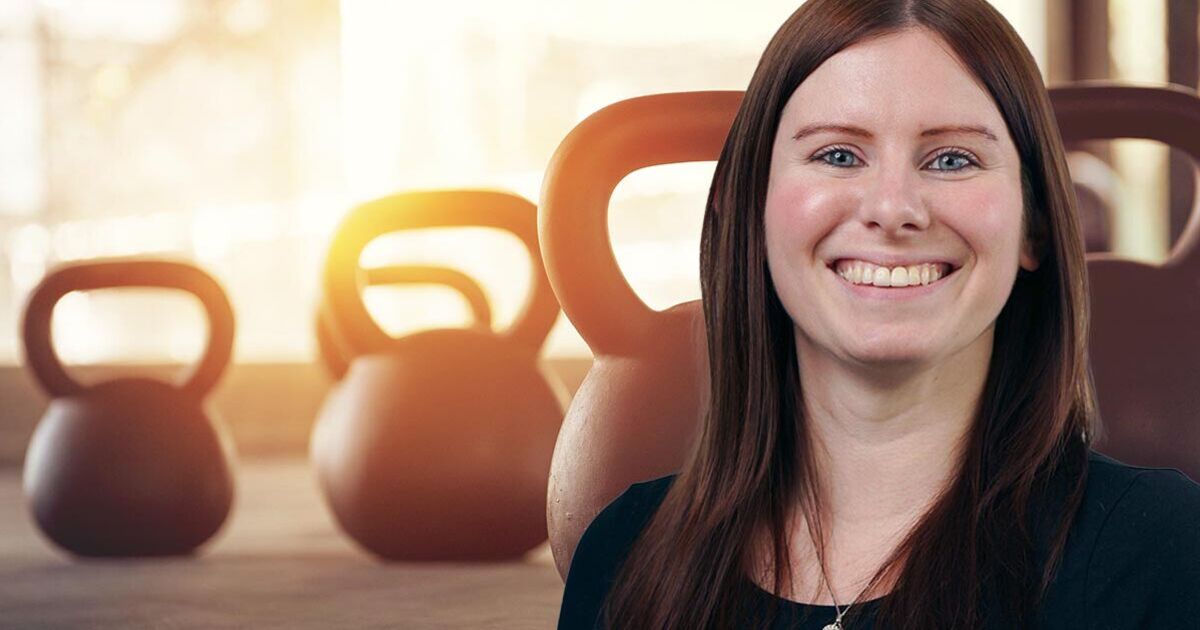
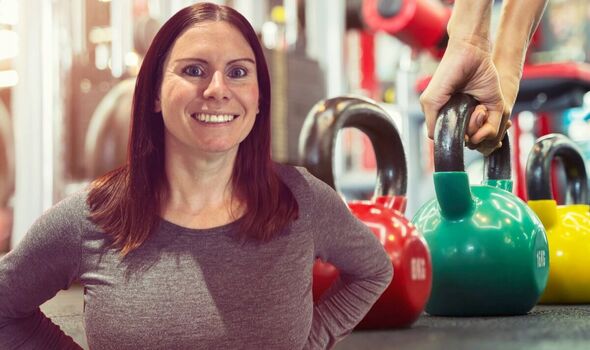
Cardiac nurse Emily McGrath explains where to start with exercise (Image: BHF/Getty)
Exercise is one of the key pillars of health but around a third of UK adults not get the recommended 150 minutes of moderate physical activity per week. A recent survey of more than 4,500 people by the British Heart Foundation (BHF) found 70% would be more motivated if they focused on having fun and enjoying themselves. BHF senior cardiac nurse Emily McGrath has shared with the Express her list of seven exercise to try and how each one could have heart health benefits.
Emily said: “Research shows us that being physically active, including regular exercise, reduces the risk of cardiovascular disease by up to 35%. But with so many trends and confusing messages out there, it can be tricky to know where to start, especially if you are new to exercise or your lifestyle is usually very sedentary. Finding things you can easily fit into your day-to-day routine and that you enjoy doing will help, as that’s what is going to make you want to stick with it.”
Read more: Major heart scan breakthrough could predict disease 5 years early
Emily advised anyone who is new to exercise or returning to it after a period of being inactive to start slowly and build up gradually.
She added: “Anyone with a history of cardiovascular conditions or pre-existing health issues should always seek advice from their own doctor or healthcare team before starting a new exercise regime.” Here’s her list of exercises to consider:
1. Walking
Emily says: “Walking is a fantastic way to build up your activity levels, especially if you have been inactive for a while. It’s low impact, doesn’t require any special kit aside from suitable footwear and possibly a jacket, and now that spring is finally here it’s also a great way to get outside for some fresh air and sunshine, if you’re lucky!
“From a cardiovascular perspective, regular walking helps lower your blood pressure and cholesterol levels, which reduces your risk for developing type 2 diabetes and cardiovascular diseases.
“It also helps you maintain a healthy weight, which is really important as that can help reduce your risk of heart attacks and strokes.
“Start slowly and aim to build up your pace and distances gradually. Even if it’s just 10 minutes at a time to begin with, every step really does count.
“BHF’s ‘Walk for Hearts’ challenge gives participants the option to choose between three distance targets, starting from a mile day. Challenges like this are a great way to set goals to work towards and track your progress.”
2. Swimming
Swimming is a great option if you want a full-body workout that gets your heart rate up while avoiding anything high-impact, Emily says.
She adds: “If you’re not ready to swim lengths, simply getting in the pool and walking up and down is a great way to help keep your strength and fitness up, as the water adds extra resistance so you will be working a bit harder than you would be on land.
“You could also look for water aerobics classes in your local area. Not only are these classes usually lots of fun, but water aerobics is also a full workout while keeping impact on your joints low.”
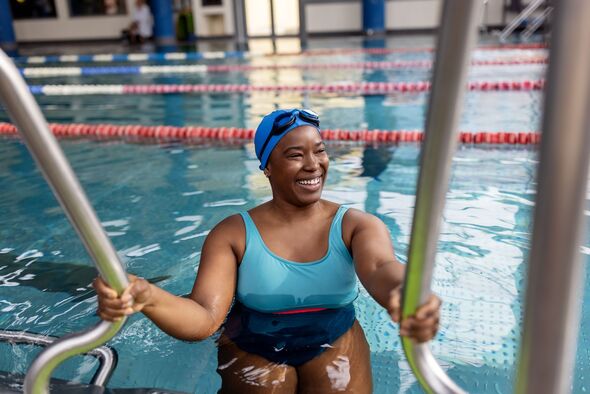
Swimming is a low-impact full-body workout (Image: Getty)3. Home strength workout
Strength workouts that keep your muscles strong have important benefits as we age, such as supporting joint health and balance, and helping to maintain a healthy weight.
Emily says: “We’re all aware that aerobic exercise (also known as cardio), which means any activity elevates your heart rate and gets your blood pumping, is good for our hearts. But there’s growing awareness that resistance/strength training also helps keep our hearts healthy.
“If you are starting from scratch, there are lots of simple exercises you can do at home which don’t require any special equipment and can be adapted to suit your needs.
“This could be as simple as doing a series of heel raises while standing or sitting; sit-to-stand exercises where you get up from a chair and sit back down again slowly; squats, wall press-ups and bicep curls. There’s a step-by-step guide on the BHF website here.
“Start with just 10 minutes two or three times a week. As you progress or for more of a challenge, you can try using flasks of water or food tins as weights and add in floor exercises such as half planks. Later in the year, you could sign up for BHF’s Strong Woman Challenge in October. Everyone who takes part receives a 31-day strength training plan to complete at home.”
4. Cycling (indoors or outdoors)
Emily says: “Cycling is another form of exercise that provides a fantastic aerobic workout and helps build strength at the same time, particularly in your legs as you power the pedals.
“At BHF’s London to Brighton Bike Ride, which takes place each June, we often hear from people who went from being a complete beginner to falling in love with cycling – and then signing up for this iconic cycling challenge.
“If can’t get outside on a bike though, hopping on an exercise bike at the gym or at home is a great way to build up your fitness. Even 10-20 minutes a few times a week will give you a good workout and you’ll soon notice your stamina and endurance start to increase.”
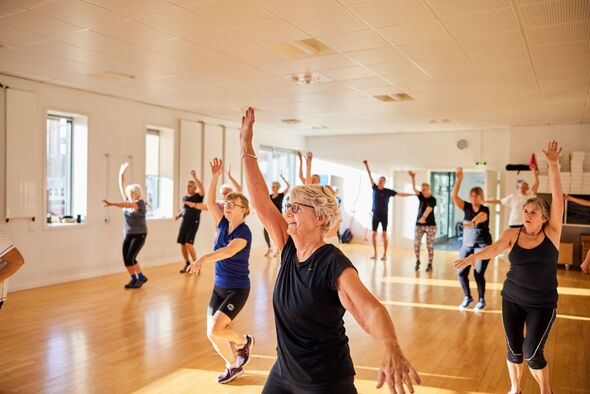
Dance classes are also fun and social activities (Image: Getty)5. Dance class
Dance classes offer the combined benefits of getting active and an opportunity to socialise. Emily says: “Dancing is fantastic as not only will you be bolstering your heart health, but there is also the added bonus of dance classes being very fun and — whether you go along with a friend, your partner, or you go alone and meet new people there.
“There are a range of options available, including salsa and Zumba! As you follow the moves and enjoy the atmosphere, it is a great way to enjoy exercise so much, you won’t even necessarily realise you’re doing it!”
6. Tai chi
Tai Chi is a Chinese martial art that involves gentle exercise connecting the mind and body. Emily says: “Tai chi is a slow, meditative and intentional practice focused on mindful weight shifting movements, grounding and balance.
“‘Mindful’ activities such as tai chi can offer a boost to mental health beyond that of other physical activities, and it is a great way to stay active and move your body if you are looking for a way to exercise that isn’t too strenuous.
“Lots of leisure centres, village halls and community centres, and even some local parks host tai chi classes, so see what you can find in your area.”
7. Yoga
There are many different types of yoga — including vinyasa, hatha and yin — so finding the right class and teacher for you can make a huge difference.
Emily says: “Yoga can help you to cope with stress and improve wellbeing, as well as helping develop flexibility, strength, balance and co-ordination.
“Classes can vary, with some being slower and gentler and others being more challenging and faster paced. Yoga is often suitable for most heart patients too.”
For extra motivation, you can sign up for a BHF challenge event here.