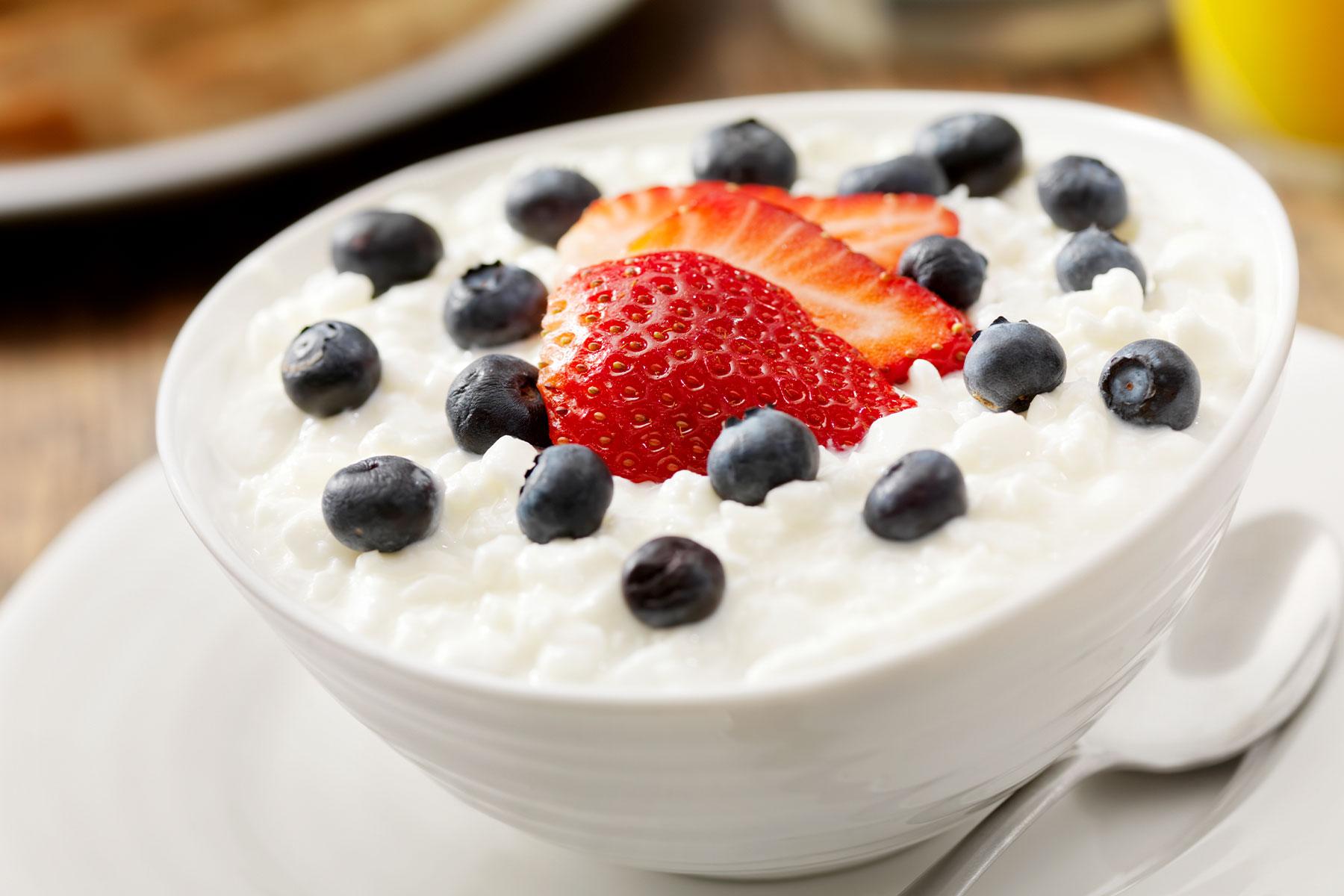
Long seen as a bland “diet food,” cottage cheese is gaining new popularity as a protein-packed, versatile addition to everyday meals and snacks.
From smoothies and breakfast bowls to dips and baked dishes, this flexible dairy favorite can be incorporated into breakfasts, lunches, and dinners, and everything in between. Here’s a closer look at what makes it so good for you — and how to add more of it to your diet.
Health benefits of cottage cheese you should know about
Beyond its convenience and versatility, cottage cheese delivers a range of nutrients that support overall health. Here are six science-backed reasons to eat cottage cheese:
1. Provides a high-quality source of protein
Cottage cheese is packed with protein in a form that’s ready to eat. Unlike meat, no cooking or prep is needed, says Tara Schmidt, RDN, LD. “Even a half-cup serving of cottage cheese provides about 11 grams of protein, which is more than you’d typically get from a serving of other cheeses,” she says. Its protein is complete, containing all the essential amino acids your body needs. It also supplies calcium and other key nutrients found in dairy.
2. Supports healthy weight management
Although cottage cheese once was considered an old-fashioned “diet food,” it’s still a smart choice for weight management. Its high protein content helps you feel full longer, which can reduce overall calorie intake and support fat loss. The protein in cottage cheese digests more slowly than protein in other sources, helping you stay satisfied between meals. A high-protein eating plan can help preserve lean mass.
3. Helps manage blood sugar and diabetes risk
Cottage cheese is a protein-rich and relatively low-carbohydrate dairy option that can help support healthy blood sugar levels. Protein slows digestion, which may reduce spikes in blood sugar when eaten with carbohydrates, making cottage cheese a satisfying component of meals or snacks. Its relatively low-carbohydrate content means it generally causes smaller increases in blood sugar than many carb-heavy foods, supporting steady glucose levels throughout the day.
Eating dairy foods such as cottage cheese as part of a balanced, higher protein diet also has been linked in studies to a lower the risk of developing type 2 diabetes over time. Including it in your diet can help manage blood sugar and may contribute to long-term metabolic health.
4. Supports pregnancy and maternal health
Cottage cheese provides several key nutrients — including high-quality protein, calcium, phosphorus and certain B vitamins — that play important roles during pregnancy. Protein supports maternal muscle maintenance and healthy growth, while calcium and phosphorus work together to build and maintain strong bones and teeth in both you and baby. These nutrients are part of what makes dairy foods a nutrient-dense choice in dietary guidelines, particularly for people with increased needs during pregnancy and breastfeeding.
“Dairy in general, including cottage cheese, is a great nutritional source for pregnant people,” says Schmidt. “Those nutrients are really important in pregnancy because you’re building a tiny, tiny skeleton.”
5. Promotes bone and dental health
Cottage cheese contains key nutrients, including calcium and phosphorus, that help keep bones and teeth strong. These minerals work together to build and maintain bone structure throughout life. Some varieties also are fortified with vitamin D, which helps your body absorb calcium more effectively. Getting enough of these nutrients is important at all ages. But it’s especially important as you get older, when bone loss can increase the risk of osteoporosis and fractures. Including calcium-rich foods such as cottage cheese as part of a balanced diet can help support long-term bone health and dental health.
6. May support gut health
Some cottage cheese products contain live and active cultures, similar to those found in yogurt. When that’s the case, cottage cheese may offer gut-health benefits beyond protein alone. “If you get a protein that has probiotics in it — those live cultures — now we can talk about gut health,” Schmidt says. “Just like yogurt.”
Probiotics are beneficial bacteria that help support a healthy gut microbiome, which plays a role in digestion, immune function and overall metabolic health. Although the probiotic sources of yogurt and kefir have been studied more, certain cultured cottage cheese products also can contribute — as long as the label lists “live and active cultures.”
6 easy ways to eat more cottage cheese
Cottage cheese is convenient and flexible, making it easy to add to your diet, Schmidt says. Here are five simple ideas:
1. Use it as a dip or dressing
Swap cottage cheese for high-fat dips. Add garlic, lemon juice or spices or mix with salsa, if desired. “You can dip vegetables — like carrots, cucumbers or even celery — into it instead of ranch to add protein to your snacks,” says Schmidt. If you don’t like the bumpy texture, blend cottage cheese with a little milk until smooth.
2. Make a sweet treat
Blend with fruit, honey or vanilla for a protein-rich pudding or add to smoothies or smoothie bowls for creaminess without much added sugar.
3. Mix it into eggs
Add cottage cheese to scrambled eggs or omelets like you would other cheeses. “I think it’s really yummy,” says Schmidt.
4. Cook or bake with it
Use blended cottage cheese instead of heavy cream in pasta sauces. Or use it as a substitute for ricotta in lasagna, stuffed pasta shells or baked ziti. Stir cottage cheese into mashed potatoes, soups or casseroles. Or add it to pancakes, waffles or muffins for moisture and extra protein.
5. Use it as a topper or filling
Top toast with cottage cheese, spread it on crackers or bagels instead of cream cheese, or use it as a sandwich filling in place of other cheeses.
6. Build a savory bowl or quick meal
Use cottage cheese as a base for simple, savory bowls. Top it with vegetables, grains, or leftovers such as roasted veggies, beans, avocado or even a soft-boiled egg for a quick, nutritious meal.
Cottage cheese considerations: Fat and sodium
Choosing between full-fat and low-fat cottage cheese largely comes down to what helps you enjoy dairy consistently. If you prefer the full-fat version, Schmidt advises looking at and possibly adjusting your overall diet. “There are likely other sources of saturated fat in your diet that aren’t contributing as much nutrition as dairy is contributing.”
Sodium is another factor to keep in mind. “One population that I’d be mindful of is my patients with high blood pressure or hypertension, because it absolutely can be a high-salt food,” she says. You don’t have to avoid it entirely, but “note that cottage cheese is going to be high in sodium and make sure to not have it with other high-sodium sides or other food groups.” Considering the whole meal can help you keep sodium in check while still enjoying this protein-packed dairy.
The renewed interest in cottage cheese reflects how people eat today. Its high-protein content, minimal preparation and flexibility make it easy to fit into meals and snacks throughout the day. With mindful choices around sodium and fat, it can be a satisfying and nutritious addition to a balanced diet.
Relevant reading
Mayo Clinic on Alzheimer’s Disease and Other Dementias, Revised and Updated
Dementia is a serious health challenge, and by some estimates the number of people living with dementia could more than double by 2050. While Alzheimer’s disease is the most common type of dementia, other types also affect adults worldwide, causing loss of cognitive functions such as memory, reasoning and judgment.…