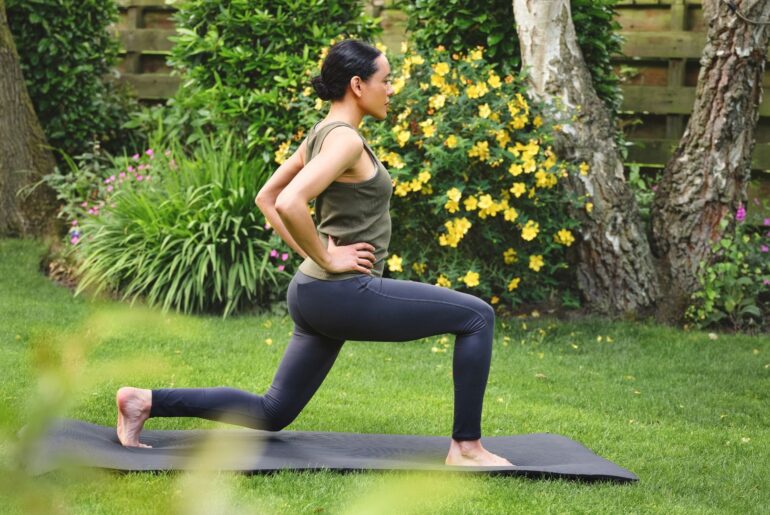
Mika Takishima stands just 144 centimeters tall and weighs 42 kilograms. At 95, she moves with the control and balance of a trained dancer. She teaches fitness classes every day.
Known across Japan as “Takimika,” she holds the country’s record as its oldest active certified fitness instructor. Her movements remain fluid, her posture upright, and her training philosophy unchanged: what she calls “Power Aging.” Her goal is simple—stay strong past 100.
From full-time housewife to national fitness icon
Takishima spent the first six decades of her life as a homemaker. She raised two daughters and managed her household with little attention to exercise.
At 65, that changed. Family members pointed out she had gained weight—about 15 kilograms from a sedentary lifestyle and frequent snacking. She began to notice daily tasks becoming harder, including something as routine as crouching to clean the bathtub.
She joined a gym with a modest goal: lose weight. She did. Then she kept going.
Success
You are now signed up for our newsletter
Success
Check your email to complete sign up
At 79, she began training with fitness coach Tomoharu Nakazawa, who introduced her to core stability exercises. Years later, during a class, Nakazawa asked her to demonstrate movements for others. She did—and soon after decided to pursue certification herself.
She passed the exam, becoming the oldest certified fitness instructor in Japan.
What followed was an unplanned second career. She developed her own system, “Takimika Gymnastics,” appeared in media programs, and published a book detailing her approach to aging and fitness. Her guiding principle has remained consistent: age does not define capability.
The five habits behind her longevity
Eating for function, not excess
Her meals are structured around what the body needs, not variety for its own sake. She prioritizes whole, minimally processed foods and emphasizes thorough chewing.
Breakfast is substantial, often including natto, vegetables, yogurt, and soup. Lunch is light—typically fruit and a probiotic drink. Dinner is her most elaborate meal, featuring protein, vegetables, and traditional Japanese dishes.
She drinks red wine in moderation and incorporates foods like edamame and fish, which she associates with cognitive clarity and cardiovascular health.
She also wastes little food and continues to eat with chopsticks, which she believes helps maintain fine motor skills.
Building movement into daily life
Takishima wakes at 3:30 a.m. and begins her day with an eight-kilometer routine: walking, jogging, and even backward walking for balance training.
Throughout the day, she integrates movement into routine activities—stretching during housework, engaging her core while watching television, and maintaining a daily step goal of 10,000.
Her exercise system focuses on joints most affected by aging, including the hips, spine, and ankles. Many movements are adapted for older adults and can be performed seated.
She also continues to learn new physical skills. She began swimming at 70, hula hooping at 74, and street dance at 78. Each new activity, she says, reinforces the body’s ability to adapt.
Prioritizing sleep quality
Takishima sleeps about four and a half hours per night, from 11 p.m. to 3:30 a.m. Rather than extending sleep duration, she focuses on quality.
Her nightly routine includes controlled breathing: inhaling through the nose for three seconds, then exhaling slowly for twenty. This method is designed to activate the body’s relaxation response and support recovery.
Maintaining natural teeth into her 90s
At 95, Takishima has no dentures or crowns. All her teeth are natural.
Her dental care routine is rigorous. She brushes multiple times daily, uses both electric and manual brushes, and visits the dentist every three months.
She connects oral health to broader physical health, noting its role in nutrition, circulation, and cognitive function.
Continuing to learn new skills
Takishima consistently seeks out new challenges. She emphasizes the importance of learning unfamiliar skills, rather than repeating mastered ones.
This approach, she believes, supports both physical and cognitive resilience.
Her message is directed at those who believe they have missed their opportunity to change. She began at 65, without prior fitness experience, and built her current life gradually through daily discipline.
At 95, she reports no chronic pain, maintains strong posture, and continues to teach.
Her routine remains unchanged.
By Yuan Haiyin