
Published April 17, 2026 10:56AM
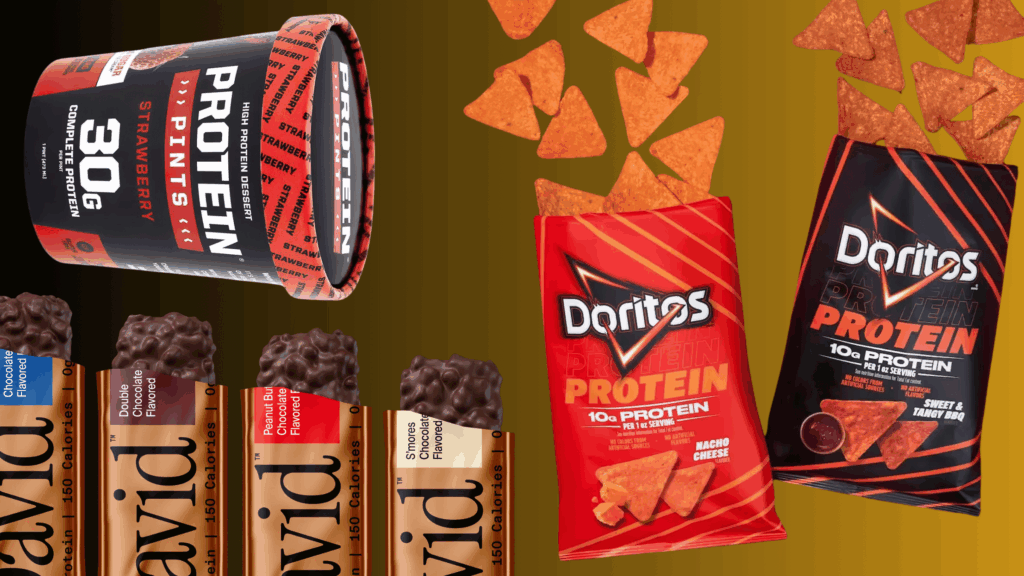
Of course, there’s no denying all the virtues of protein for runners. The mighty macro is key to building and maintaining lean body mass, supporting immune function, improving bone strength, and keeping your metabolism up and running. But in a world suddenly saturated with protein fortified everything, from protein mac and cheese to high-protein Doritos (seriously), you may be wondering: Am I eating enough of it?
Seemingly everyone, from Big Food to wellness influencers, swears protein is the secret to losing weight, gaining muscle, running faster for longer, and, heck, maybe even fixing your entire life. Too sad? Eat more protein. Too tired? Amp up the protein. Protein does it all.
The Great Protein Takeover has made its way to endurance sports. Suddenly, it’s seemingly more important for even athletes to protein load than to carb load. Well, it’s not as simple as that—even if you are running like crazy.
What’s the Deal with Protein-Maxxing?
There are a handful of factors driving this “protein-maxxing” trend and the barrage of “high-protein” foods in the supermarket right now. First, we have a massive social media marketing push towards eating more protein. Every day, we are being hammered with tales about the virtues of loading up on protein and the ramifications of going too light on the muscle-sculpting, hunger-taming macro.
Second, with the staggering rise of GLP-1 medications in the last decade, the appetite-curbing treatment has caused many people to find themselves eating less and perhaps unintentionally falling short on certain nutrients, including protein, which can contribute to not only a loss of body fat (which is the goal) but also a loss of lean muscle mass (which is bad). In fact, a recent study showed massive protein deficiencies in GLP-1 users. So there is a valid push for ways to ensure GLP-1 users take in enough protein despite eating less overall.
Pro tip for GLP-1 folks: It’s still possible to do this without needing to rely on lifeless high-protein bread. (More on this below.)
And then there are the newly released Dietary Guidelines for Americans, which strongly suggest prioritizing higher protein foods. Based on the new federal dietary guidelines, the U.S. Department of Agriculture recommends 80 to 110 grams of protein per day for men and 70 to 90 grams for women, about double the previously recommended amounts.
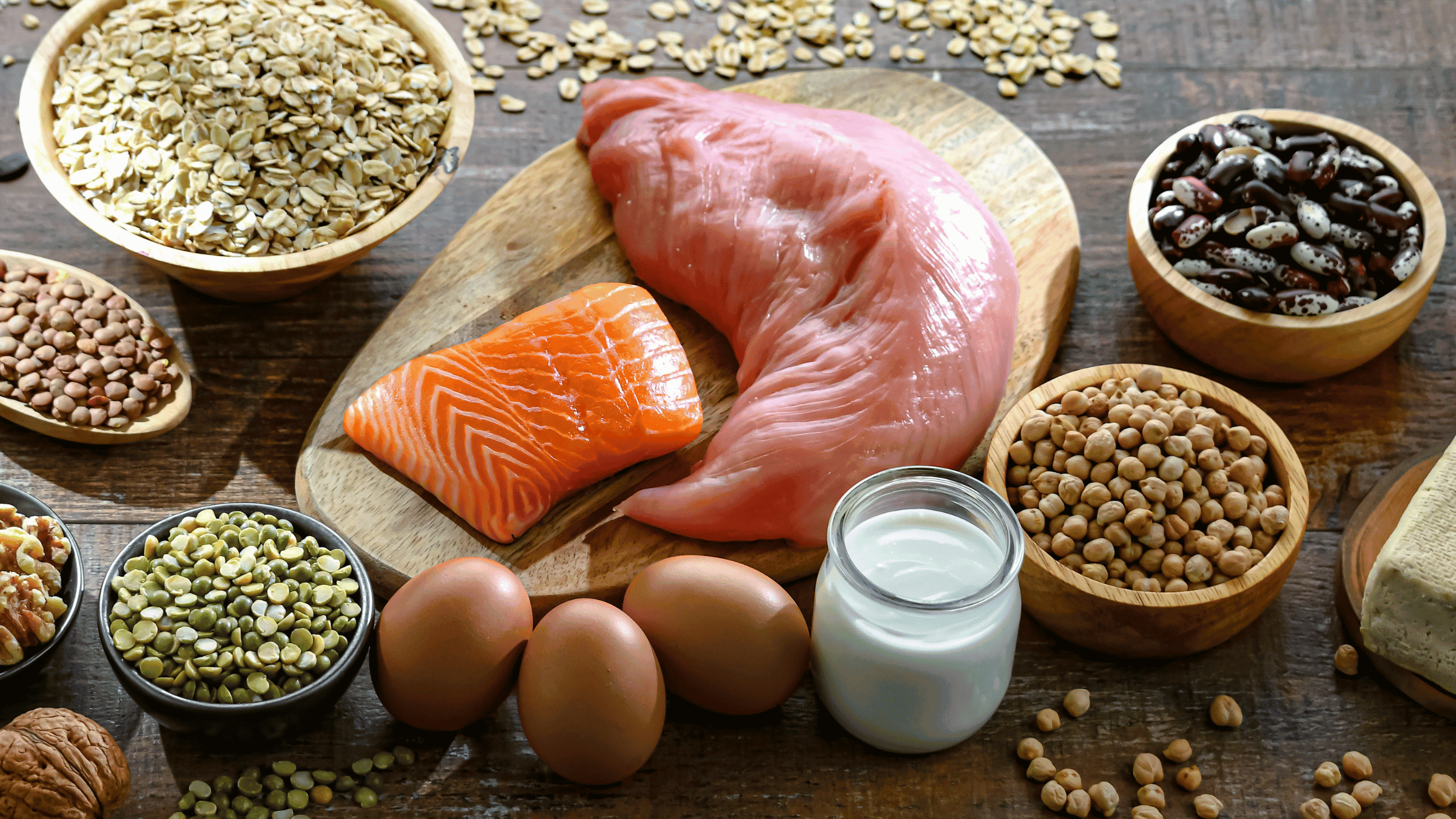 Hate to break it to you, but the best sources of protein remain whole foods like chicken, fish, nuts, seeds, milk, eggs, tofu, and legumes. (Photo: Getty Images)
In an ideal world, this extra protein we are all seemingly eating more of would come from whole foods (such as chicken, nuts, seeds, milk, eggs, and legumes). But could fortified protein products have their space as a quick and easy (and delicious!) way to get enough—especially for those who may need higher amounts and think they are struggling to get there?
Perhaps, but the rise in protein-fortified-foods-as-health-foods is concerning on several fronts. Here’s what runners need to know before reaching for that bag of high-protein Doritos.
High Protein Doesn’t Necessarily Mean High Nutrition
More protein in a food isn’t inherently a bad thing. But it also doesn’t automatically make the product healthier overall.
All this protein marketing can lead to a “halo effect,” where you mistakenly equate high protein with high nutritional value overall. Food companies are banking on this!
Please remember, protein is just one component of a food. If a protein-enhanced product is also laced with high amounts of added sugars, sketchy fats, and an assortment of tongue-twisting additives, then we have to question whether that extra protein is worth the overall nutrition cost.
Boxed protein macaroni flavored with fluorescent powdered cheese is still as ultra-processed as it ever was. (If not more.) A protein cookie is still a cookie. Research shows regularly consuming ultra-processed foods, even if they are higher in protein like sausage or fish sticks, is consistently linked with poorer health outcomes—such as cardiovascular disease and diabetes.
If you are going to crush a bag of Doritos after a big run one way or another, then choosing the higher protein version is understandable. After all, it’s never a bad idea to get some extra protein after a hard workout to optimize recovery. But if you are adding these types of foods to your diet simply because of their loftier protein levels, then that is problematic. There are definitely healthier high-protein alternatives, making them essentially unnecessary. All runners should consider the full nutrition picture before digging in.
The “Protein Problem” Doesn’t Exist
Yes, it’s true that most runners need to eat more protein than the average person, but as long as someone is eating enough from a variety of foods, then nailing protein goals without relying on these protein-jacked packaged foods or additives is certainly possible.
Given the emphasis being placed on protein in supermarket aisles, you’d think that most people, including athletes, are failing to get enough protein from their normal diets—this is not the case when you look at population-level dietary intake data. In other words, this is a food trend that is trying to solve a problem that largely does not exist, like the low-fat fad of the ’90s.
Certainly, eating some protein-fortified foods can make it easier to reach your daily protein goals, which for the typical endurance athlete should be 1.2 to 1.6 grams of protein per kilogram of body weight. But if you are already consuming plenty of naturally high-protein foods like chicken, fish, tofu, and Greek yogurt, you might be surprised to learn that you are already easily nailing your protein needs without needing to reach for these pricey, processed protein products. So, no, a protein spiked granola is not necessarily the breakfast of champions. And, yes, you can probably get by without stashing a box of David bars in your office.
As for GLP-1 users, the key to getting enough protein when eating less and not relying on heavily processed protein-fortified foods is to seek out options that are naturally protein-dense. In other words, items that provide more protein per calorie. These include chicken breast, white fish like cod, lower-fat Greek yogurt, tofu, and pork tenderloin.
Don’t Forget the Carbs For runners, carbs are still king. (Photo: Luke Webster)
A real risk with all this protein hoopla is that endurance athletes like runners will forget that they still need enough carbohydrates to support energy needs. If you end up making your breakfast toast with low-carb, high-protein bread and then serve up low-carb rice (yes, that is a thing) with your dinner stir-fry, you run the risk of underfueling, which can cause your performance to tank.
In other words, please don’t let all this extra protein crowd out the carbs from your life.
So, how do you navigate this protein-packed minefield? The key is knowing what to look for and the most appropriate ways to use these foods. Here are some tips:
Tips for Eating Enough Protein
Make it a habit to get most of your protein from whole foods like fish, eggs, and legumes. Then use protein-enhanced packaged foods as a minor supplement to this. For instance, you could chug back a pre-made protein shake after a run to help with recovery, but then turn to real food the rest of the way to get what you need.
In general, focus on items that have minimal processing, are made with high-quality ingredients, and ideally, pack in some additional nutritional benefits like fiber. The more whole, recognizable foods in the ingredient list—like oats, nuts, seeds—the better. You can also be picky about your protein source. A common way for food companies to beef up protein numbers in everything from bread to pretzels to cookies is to make their products with protein isolates such as whey, pea, or soy. This is an efficient way to ramp up the grams of protein per serving and, overall, is nothing to fret about for healthy people. However, another method for going bigger on protein is with higher-protein, whole-food ingredients like Greek yogurt, hemp seeds, or beans. The upside of this is that it can lead to a product with a greater nutritional profile overall.
If you are going to reach for a “high protein” item at the store, don’t believe the front-of-the-package hype until you see for yourself how much protein the product actually has. I’ve done enough label reading to know that “high protein” can often be false advertising. There is no regulated number for what can be marketed as “ high protein.” Ideally, such a product should give you at least 8 to 10 grams of protein in a serving.
Registered Dietitian-Approved Protein-Enhanced Foods
Many of the protein-fortified products on the market are too heavily processed to be recommended as a daily staple. These protein-enhanced foods buck the trend by offering real value for your money, and your body.
Seven Sundays Wildberry Protein Oats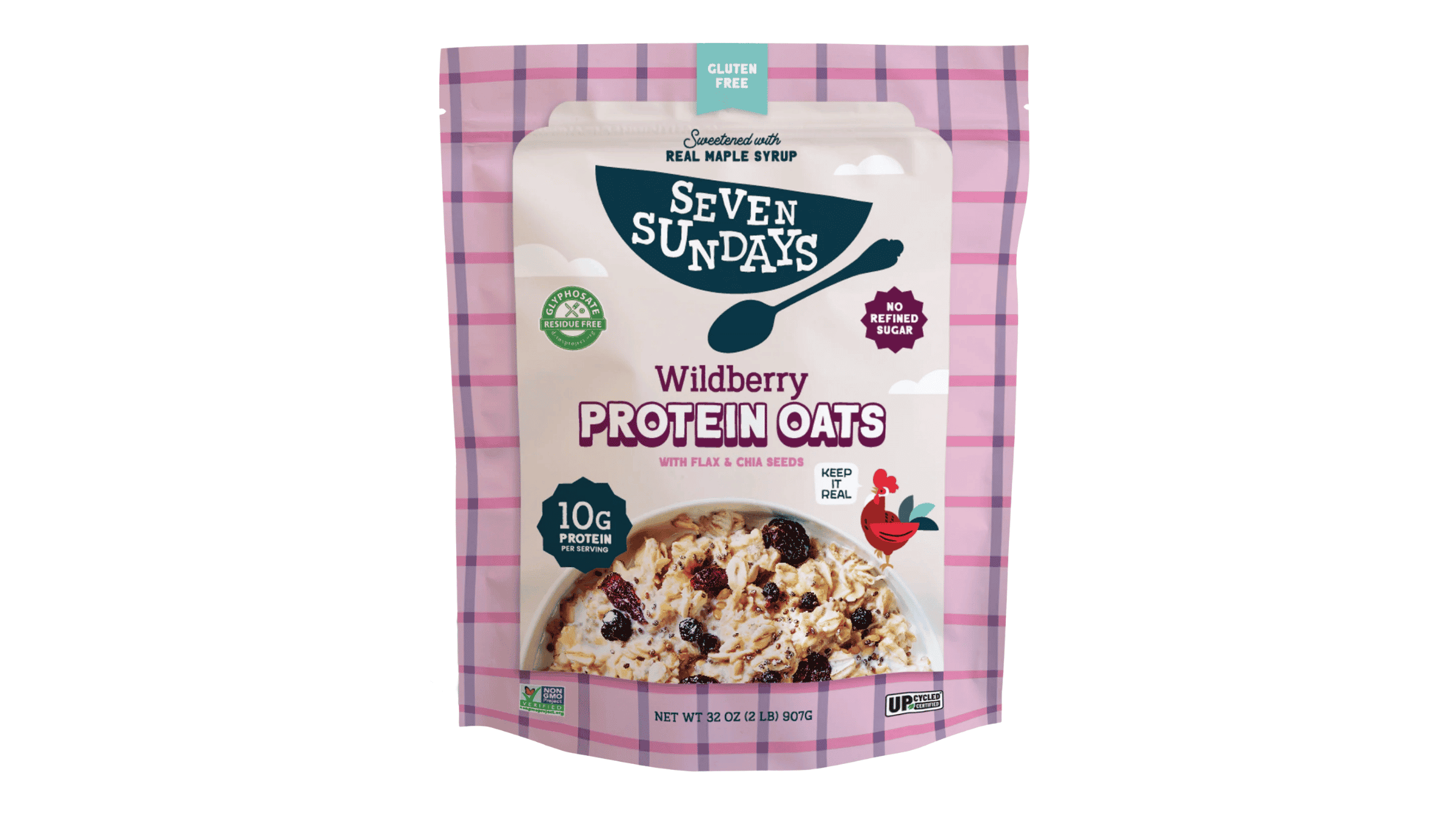
Per serving (1/2 cup): 230 calories, 4.5g fat, 38g carbs, 7g fiber, 10g protein
This is not your standard lifeless soggy oatmeal. Upcycled oat protein is a clever way to bring higher amounts of the muscle-making macro to your breakfast, and I appreciate the ample amounts of fruit, including sweet-tart cherries. Oh, and you can taste the real maple syrup. Yes, I believe it to be a much better breakfast option than Cinnamon Cheerios Protein. A warm bowl of this oatmeal is a stand-out pre-run nosh.
Dave’s Killer Bread Powerseed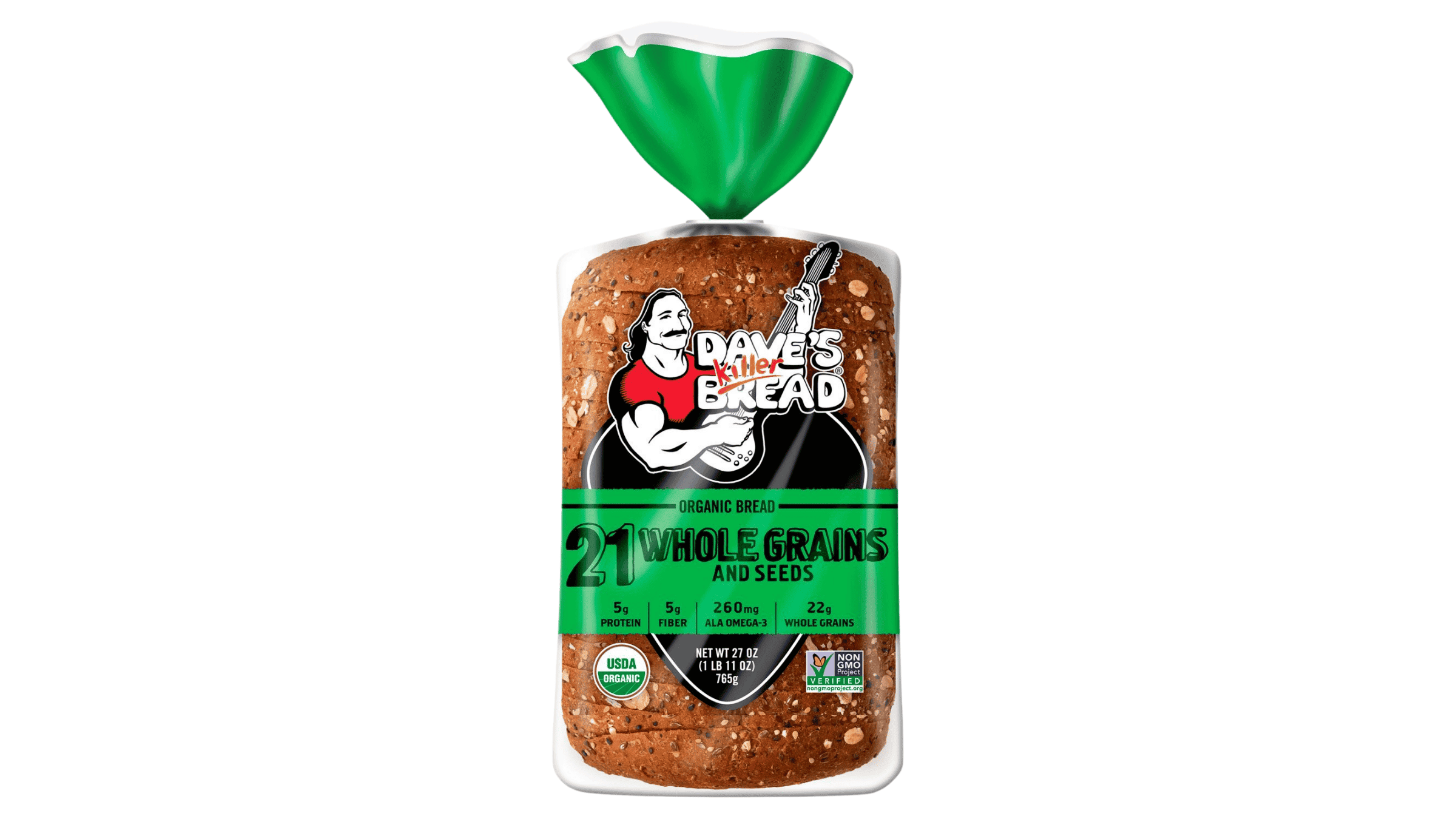 (Photo: Courtesy Dave’s Killer Bread)
Per serving (2 slices): 180 calories, 2g fat, 18g carbs, 4g fiber, 10g protein
Be it avocado toast or lunchtime turkey and cheese, this higher protein bread is a healthy foundation. Not too ‘grainy’ with a nice, soft texture, each whole wheat slice is pumped full of a grain and seed mixture that delivers extra protein with extra nutrition. That’s a win-win. It’s also great as French toast.
Day Out Brownie Butter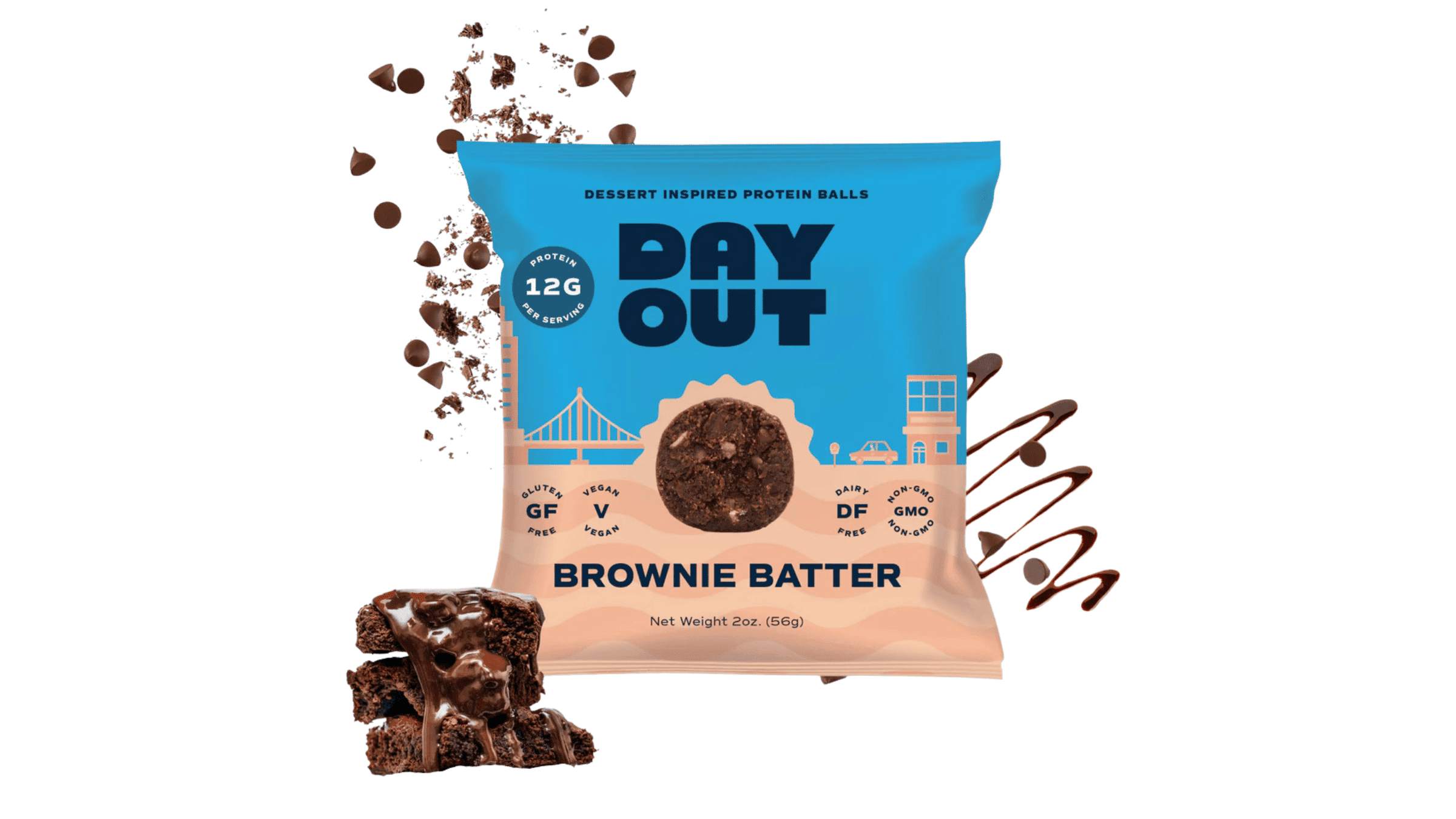 (Photo: Courtesy Day Out)
Per serving (4 balls): 225 calories, 11.5g fat, 18g carbs, 4g fiber, 12g protein
Ditch the substandard protein bars for these delicious power balls. Cashews and dates lead the ingredient list, so you are snacking on good amounts of healthy fats and natural carbs. The plant-based protein blend includes pea, chickpea, sacha inchi, and chia. And, yes, it’s like snacking on little brownie nuggets.