
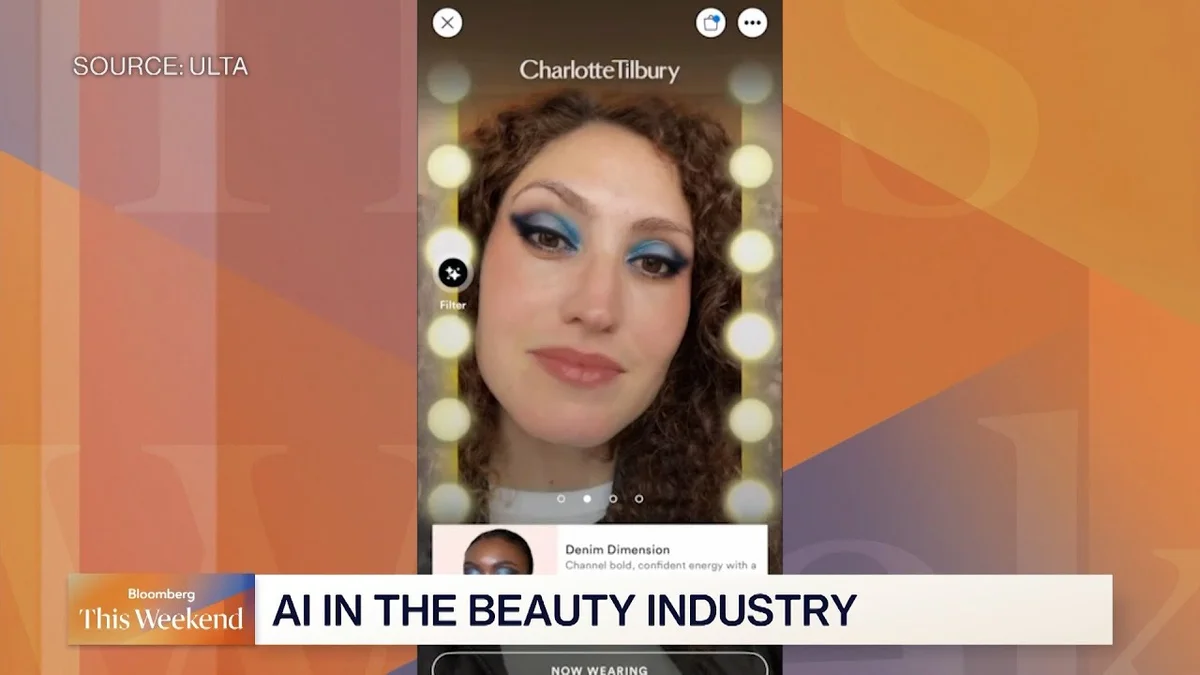
The beauty industry is undergoing a significant transformation, driven by the integration of artificial intelligence. From virtual try-ons to personalized product recommendations and sophisticated data analysis, AI is reshaping how consumers discover and purchase beauty products.
The AI Makeover of Beauty Retail
Mike Maresca, Chief Technology and Information Officer at Ulta Beauty, highlights how consumers are increasingly embracing AI-powered tools to inform their purchasing decisions. Ulta Beauty has seen a substantial increase in AI-driven shopping, with a 115% jump in 2025 for AI-driven shopping experiences onulta.com. This indicates a strong consumer appetite for personalized and data-informed beauty solutions.
Maresca also noted Ulta’s strategic partnerships, including one with Google, to develop and implement these advanced AI platforms. These collaborations aim to enhance the customer journey by providing tools that offer virtual try-ons for makeup and hair color, as well as AI-powered skin analysis. This technology helps customers identify their skin concerns and find suitable products, ultimately leading to a more satisfying shopping experience.
The full discussion can be found on Bloomberg Podcast’s YouTube channel.
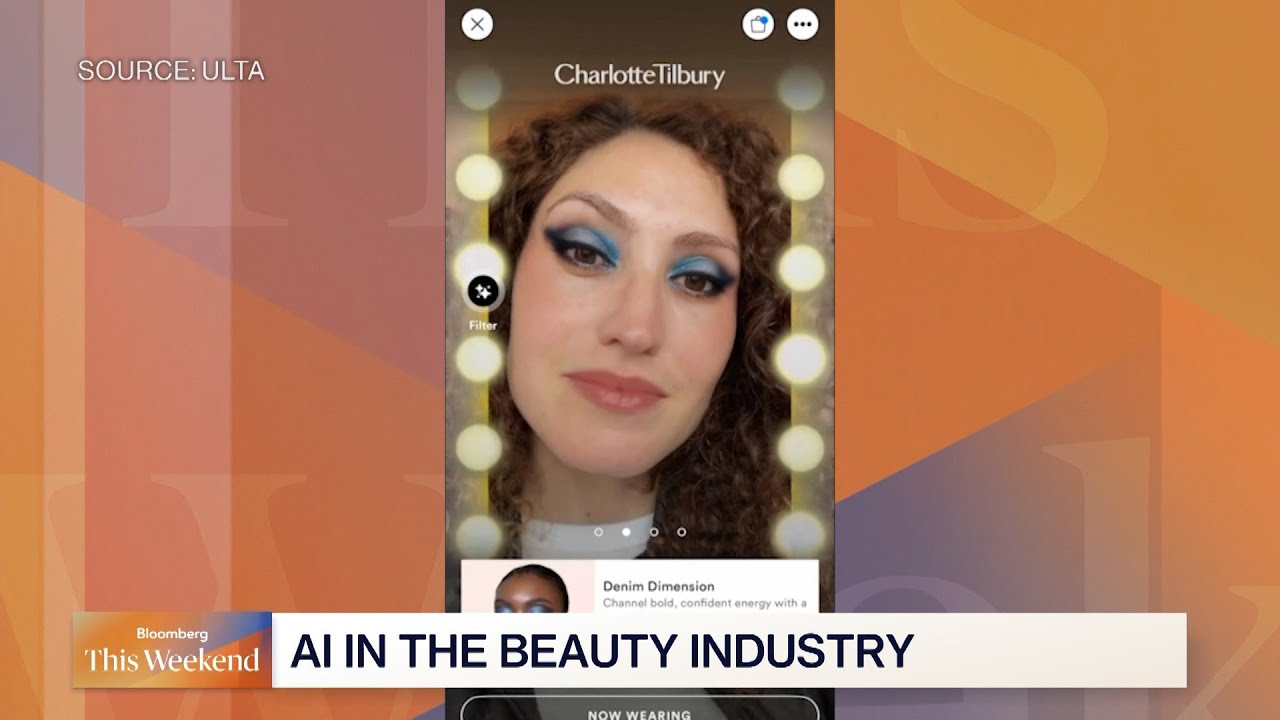
Beauty Industry Uses AI to Help Consumers — from Bloomberg Podcast
Personalized Recommendations and Virtual Try-Ons
Nadine Graham, Senior VP & General Manager of Ecommerce for Sephora, discussed how AI is being used to create personalized experiences for consumers. Sephora is partnering with AI companies to integrate chatbots into their platforms, allowing customers to interact with AI advisors for product recommendations and expert advice. These tools can analyze a user’s input, such as desired scent profiles or skin concerns, to suggest tailored product selections.
Sephora’s AI tools also include features like virtual try-ons, where customers can upload a photo or use their camera to see how makeup products would look on them. This technology extends to skin analysis, providing detailed reports on concerns like pores, dryness, redness, and fine lines. By offering these personalized insights, Sephora aims to build customer loyalty and streamline the discovery process.
Data-Driven Insights and Efficiency
Brian Franz, Chief Technology & Data Analytics Officer at Estée Lauder, emphasized the importance of data in the beauty industry’s AI strategy. He explained that by understanding consumer preferences and interactions with AI tools, brands can develop more effective product recommendations and marketing campaigns. Estée Lauder is using AI to analyze sensory data, aiming to match consumers with fragrances that align with their preferences.
Franz also highlighted how AI can improve operational efficiency. For instance, Ulta Beauty is using AI to optimize its supply chain, ensuring that products reach the right customers at the right time and cost. This data-driven approach allows companies to be more responsive to market demands and improve their overall business performance.
The Future of AI in Beauty
The beauty industry’s adoption of AI is expected to continue growing, with a projected market value of over $13 billion by 2030. Companies are investing in AI to enhance customer engagement, personalize experiences, and drive sales. The ability of AI to analyze complex data, provide tailored recommendations, and automate routine tasks is proving invaluable in this evolving market.
As Ekta Chopra, Chief Technology & AI Officer at e.l.f. Beauty, stated, AI is not just about adopting new technology but about using it in meaningful ways. e.l.f. Beauty uses AI to generate content, such as product descriptions and social media posts, and to improve internal processes. The focus is on making AI a tool that empowers both the teams and the consumers, making the beauty journey more accessible and enjoyable.