
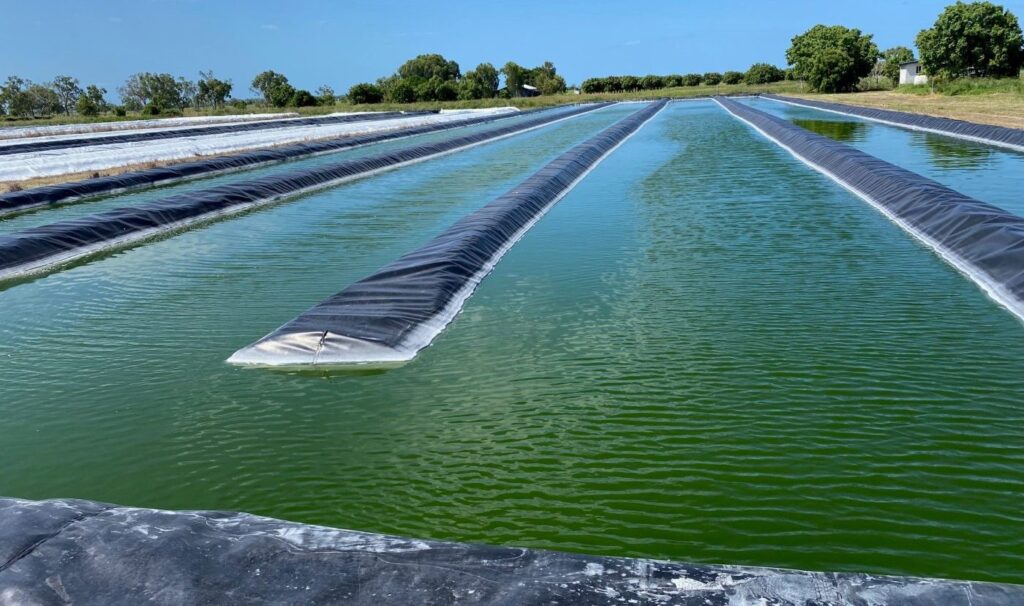
Genesis produces commercial quantities of chlorella microalgae in a terrestrial pond system, akin to aquaculture.
A QUEENSLAND based technology developer is recording significant results in cattle fed an algae supplement to help maintain weight through winter protein gap periods.
Bowen-based Genesis, Australia’s largest commercial microalgae provider – has partnered with McDonald’s beef supply chain manager FMG Global, in a pilot study assessing the effectiveness of its microalgae-based supplement in supporting improved growth performance in grazing cattle.
Other project partners include the University of Central Queensland and Mountain View Grazing Co near Springsure in Central Queensland.
The trial looked at whether cattle that had access to the company’s supplement, AlgaeFeed – a natural chlorella-based bio-stimulant – had better weightgain performance and feed utilisation after receiving the supplement.
Beef Central first wrote about MLA-backed research into the potential of farmed algae as a livestock supplementary feed source in this article, published way back in 2014.
The recent trial was conducted by Central Queensland beef producers Mountain View Grazing near Springsure, across the winter period, with a non-supplemented control group, and a group that was administered AlgaeFeed were monitored. Each mob numbered about 100 cattle.
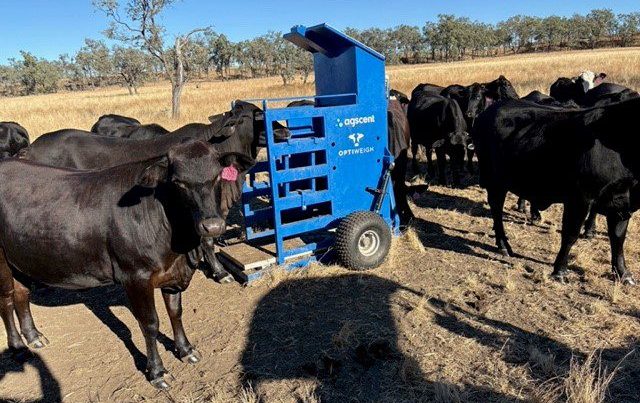
Using Optiweigh paddock weighing systems, Mountain View Grazing principal David O’Connor identified that the non-supplemented control group lost weight on average at -0.7kg per head per day, whereas the AlgaeFeed supplemented cattle gained at + 0.1kg per day – a difference of 0.8 kg.
Across the three-month trial, the non-supplemented group lost an average of 12.51kg, whereas the cattle consuming AlgaeFeed, fed via water troughs, maintained bodyweight and improved overall condition.
AlgaeFeed is an Australian produced, nutrient-rich, organic natural growth bio-stimulant that is high in protein (50pc), omega 3,6 and 9, iron, vitamin B12 and magnesium, Genesis says.
It provides an ideal stock feed supplement as it is simple to administer for both feedlot and grazing animals as it is administered through water medication.
While the AlgaeFeed product should not be confused with asparagopsis seaweed-based supplement products designed specifically for methane inhibition, university studies had also demonstrated that the AlgaeFeed additive reduced in-vitro enteric methane emissions by 25pc – based on better weightgain performance and hence earlier turnoff, Genesis said in a statement.
Genesis founder Colin McGregor described the comparative weightgain performance of 0.8kg per head per day as an “incredible result.”
He said that the improved growth performance showed the strong enteric methane reduction potential of AlgaeFeed due to the animals’ reduced life span required to achieve a greater net weight.
Genesis is working with CQU and Mountain View Grazing on a full-cycle trial to further validate the long-term impacts of AlgaeFeed on growth performance and methane reduction.
Fulton Market Group, which supplies McDonald’s with its raw material for burger patties across Asia and North America, is also involved in the trials. FMG’s sustainability manager Sebastian Martin said the trial results were encouraging for Australia’s beef grazing systems, especially during dry periods when lower forage availability makes it harder for cattle to maintain weight.
“The algae supplement was straightforward to integrate into David and Adele’s existing water infrastructure, which is important for grazing systems where simplicity and practicality matter,” he said.

Brahman cattle receiving the microalgae supplement
Mountain View Grazing’s Adele O’Connor said having been in the business for 28 years, she was no stranger to the challenges with getting consistent weightgain during Central Queensland’s colder months, which could make a real difference to the economics of the cattle business.
“To us, this supplement is ‘liquid gold’. Not only did we start seeing positive changes, but so did our neighbours, which sparked adoption across the local farming community,” she said.
Neighbouring cattle producer Rob Stewart, whose family operates Burnside, joined the trial after observing early results.
“We run 2000 to 3000 head across several properties, with around 700–800 cattle currently on the algae supplement,” Mr Stewart said.
“One of the first things we noticed was the general condition of the cattle; they simply looked healthier and were utilising their feed more efficiently. Anything that helps maintain animal health and weight during tougher seasons is something to which producers pay attention.”
The Mountain View Grazing trial is part of a broader effort to test algae-based bio stimulants across different Australian grazing environments. Farmers and producers who are interested in the supplement can visit the Genesis website here