





Low-meat diets in old age carry risks
Ask older adults in China about their diet, and the answer often follows a familiar pattern: less meat, milder flavors, smaller portions. The reasoning is equally consistent. Eating light, avoiding fat, and managing blood pressure, blood sugar, and cholesterol are widely seen as the basics of healthy aging. For many, that belief has led to years of near-vegetarian eating.
Available nutritional research does not support this approach. Studies in recent years have repeatedly found that being undernourished in old age carries its own health risks, and that regular meat consumption plays a role in maintaining physical function. The idea that a lean older body necessarily reflects better health has been increasingly questioned.
Low meat intake linked to muscle and cognitive decline
As people age, the body’s ability to synthesize protein declines. When dietary protein intake is insufficient, muscle breaks down faster than it can be rebuilt, a condition known as sarcopenia. Reduced muscle strength affects balance, and impaired balance increases the likelihood of falls. Among older adults, falls often lead to fractures and can result in long-term loss of mobility.
Protein also supports immune function. Meat provides complete protein along with iron and zinc, nutrients that are more difficult to obtain in adequate amounts from plant-based foods alone. Deficiencies in these nutrients have been associated with higher risks of anemia and reduced immune response.
Vitamin B12, found primarily in animal products, is essential for maintaining the myelin sheath that protects nerve fibers. Prolonged deficiency can lead to symptoms such as memory decline, irritability, and emotional instability. These changes are sometimes mistaken for normal aging.
 A file photo of BBQ meat at a Food Network event in New York City in October of 2021. (Image: Michael Loccisano/Getty Images for NYCWFF)
Success
You are now signed up for our newsletter
Success
Check your email to complete sign up
White meat preferred, frying discouraged
Nutritionists generally recommend a balanced approach rather than unrestricted meat consumption, with emphasis on both selection and preparation.
Fish and poultry are typically preferred over red meat. They contain less saturated fat, and fish provides unsaturated fatty acids associated with cardiovascular health. Red meat, including pork, beef, and lamb, remains an important source of absorbable iron but should be consumed in moderation. Some dietary guidelines suggest keeping weekly intake between 350 and 500 grams, with an emphasis on lean cuts.
Cooking methods also matter. Braising and steaming are often recommended over frying, as they make meat easier to digest and avoid the formation of compounds linked in some studies to increased cancer risk.
Meat is commonly paired with vegetables and soy-based foods. Tofu and other legumes contribute plant protein, while vegetables provide fiber that supports digestion and helps balance overall nutrient intake.
Meal timing and preparation affect digestion
Some nutritionists suggest daily intake ranges of 40 to 75 grams of fish or shellfish, along with 40 to 50 grams of poultry or red meat. As a general guide, the total portion is often described as roughly the size of one palm.
Meal timing can also affect digestion. Because older adults process food more slowly, protein-rich meals are often better tolerated at midday rather than in the evening. Eating heavier meals earlier in the day allows more time for digestion before sleep, while large evening meals may interfere with rest.
For those with dental issues or difficulty chewing, preparation methods can make a difference. Lean pork can be minced and used in soft dishes such as steamed meatballs or mixed into egg custard. Fish can be deboned and cooked into congee until it breaks down completely, making it easier to consume without requiring strong chewing ability.
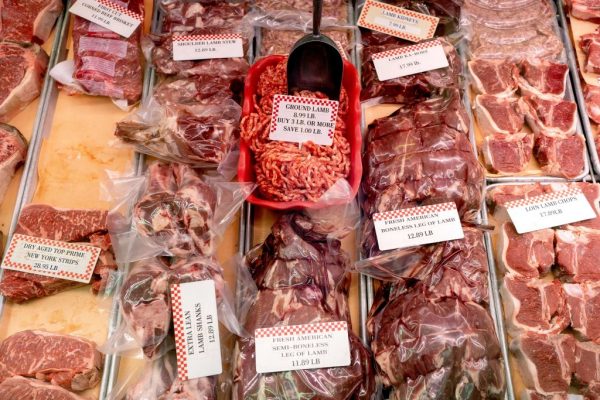 Prices are displayed on a selection of meat at Union Meat Company in Eastern Market in Washington, D.C., on Feb. 8, 2022. (Image: STEFANI REYNOLDS/AFP via Getty Images)
Protein needs best met through diet
Traditional values such as moderation and frugality remain important. However, when taken to extremes, they may lead to inadequate nutrition. For older adults, maintaining a modest daily intake of meat can help support muscle mass, immune function, and cognitive health.
Individual health conditions should still be considered. Those with severe gout, advanced kidney disease, or certain cardiovascular conditions are generally advised to consult a physician before increasing meat consumption. For many older adults, however, insufficient protein intake may pose a greater concern than excessive consumption.