
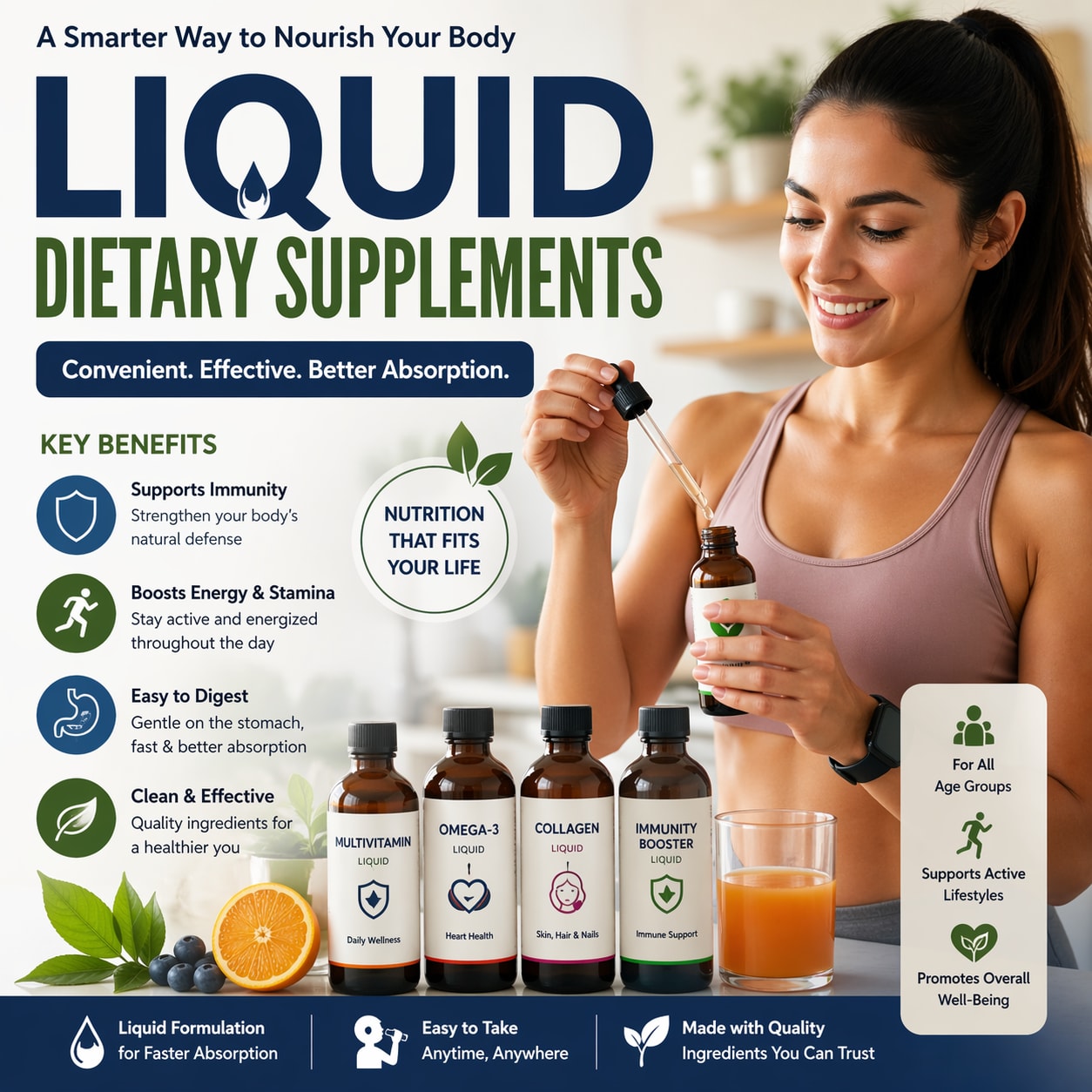
Health is not something that we just think about at a point of need‚ but something that is part of everyday․
Aging baby boomers․ High-powered executives․ Everyone‚ really‚ who wants to feel better and live longer․ They are all‚ increasingly‚ taking health into their own hands and seeking out easy ways to improve energy and help prevent chronic disease․ The breakout category? Liquid dietary supplements․
Liquid supplements make it easier and faster to get the nutrition you need․ No longer simply the alternative‚ supplements are taking center stage and are the preferred supplement option for millions of consumers around the globe․
A Market Growing Alongside Global Wellness Trends
The global liquid dietary supplements market size was estimated at USD 29․2 billion in 2024 and is expected to reach USD 53․1 billion by 2033․
This consistent rise at around 6․9% a year is part of a nationwide trend in health․
As health and wellness becomes a rising focus for consumers‚ with greater investment in preventative care‚ liquid supplements are becoming an increasingly popular format to satisfy the market demand․
Why more people are taking liquid supplements
The biggest reason for that trend is likely just that it is easier․
Liquid supplements are easier to consume for individuals unable to swallow pills and have the advantage of being absorbed into the body faster than other supplements․
However‚ convenience is only part of the story․
For busy people‚ supplements that fit easily into existing routines and schedules are optimal․ Liquid supplements come in convenient forms‚ such as drinkable shots‚ drops‚ or ready-to-drink bottles‚ to help meet these needs․
They’re portable‚ flexible‚ and easy to integrate into even the busiest schedules․
The Growing Impact of Chronic Health Conditions
The rising frequency of chronic diseases is another important driver of demand․
Diabetes‚ heart disease‚ and obesity are becoming more popular globally and may require supervision from medical professionals and longer periods of nutritional therapy․
Liquid dietary supplements are used to fill dietary gaps‚ provide energy‚ and promote health․
For example:
Omega-3 supplementation protects the heart․ Antioxidants counteract oxidative stress․ Vitamin-rich formulations strengthen immunity․
Supplements that are taken on a continuing basis for preventative health and wellness purposes are now more widely used than in the past․
Demand rises with aging populations․
As the global population ages‚ the dietary needs of individuals change․
The older population may have issues with absorption‚ dysphagia or swallowing‚ or taking pills and tablets‚ as well as having a higher prevalence of chronic disease․ Liquid supplements can help all three․
They are:
Easier to consume Faster to absorb Can be tailored for specific health needs
In nations with high numbers of people over age 60‚ such as the United States‚ demand for paid home care is high․
The transition to liquid supplements has improved older adults’ quality of life with regards to energy‚ bone health‚ and age-related deficiency․
Convenience Meets Personalization
Today’s consumers expect not just convenience‚ but health-related personalized products and services․
Liquid dietary supplements are especially well suited to this․
Different liquid products are available‚ with individual doses and concentrations to allow matching of the product to the individual needs of patients‚ such as:
Increasing energy Supporting fitness performance Improving digestion Promoting skin and hair health
This level of customizability has been a major factor in the rapid growth of the market․
This is driven by fitness culture and sports nutrition․
Another major catalyst is the growth of global fitness and active lifestyles․
Liquid supplements are popular among athletes‚ bodybuilders and others for improved performance‚ recovery and general health benefits․
Liquid protein blends‚ amino acids‚ and energy boosters could be of particular use because:
Easily absorbed by the body Provide instant energy Aid recovery from exercise․
As the culture of fitness continues to grow though‚ the demand for convenience and effectiveness also grows․
Where the Market Is Growing the Fastest
Although demand is high everywhere‚ some regions are showing particularly high rates of growth․
North America continues to be the largest regional market‚ due to health consciousness‚ usage rates‚ and established healthcare infrastructure․
The United States is one of the most populous and aged countries‚ with a population high in dietary supplement use․
The Asia-Pacific region is growing rapidly‚ as in India and China demand is fueled by increased incomes and the rising prevalence of a middle-class lifestyle and knowledge about health and nutrition․
Europe is also seeing increasing demand for preventative solutions and clean labels as customers also seek such products․
Innovation Is Transforming the Industry
The field of liquid dietary supplements is also growing and evolving․
Therefore‚ firms innovate to ensure their products can be more efficient‚ more desirable‚ and more in tune with consumer preferences․
Major areas of innovation include:
Better bioavailability allows for faster absorption Natural and organic ingredient formulations Better flavors and textures to improve user experience Functional blends targeting specific health concerns
There is also a focus on developing nutritional supplements that are easier to use that are still equally effective․
The Role of Online and Retail Expansion
Accessibility is another key factor for the market․
Though supermarkets‚ pharmacies and health food stores are common suppliers of liquid supplements‚ the market for purchasing them over the Internet is growing․
The consumer can research a wide variety of products from numerous sources and select their supplements to buy from the comfort of their own homes․
Direct-to-consumer models are also strengthening the relationships brands have with their consumers․
Challenges that could influence future growth
However‚ other factors could slow the market’s strong growth․
Supplement skepticism‚ regulatory differences in the region‚ and competition from older formats like tablets and capsules may also inhibit adoption․
However‚ as liquid supplements become clearer and higher quality‚ consumer confidence should improve․
Looking Ahead
The future looks good for liquid dietary supplements․
With a growing health consciousness and demand for convenience‚ personalization‚ and preventive healthcare‚ sales of liquid supplements are expected to grow steadily․
The global digital therapeutics market is projected to exceed USD 53 billion in revenue by 2033‚ indicating its growth potential․
What was once an alternative brought on by niche lifestyle choices is now being embraced by the masses as an everyday solution․