




This article is being copublished with ExxonKnews, a reporting project covering the fossil fuel industry and climate accountability. Click here to subscribe to ExxonKnews for free.
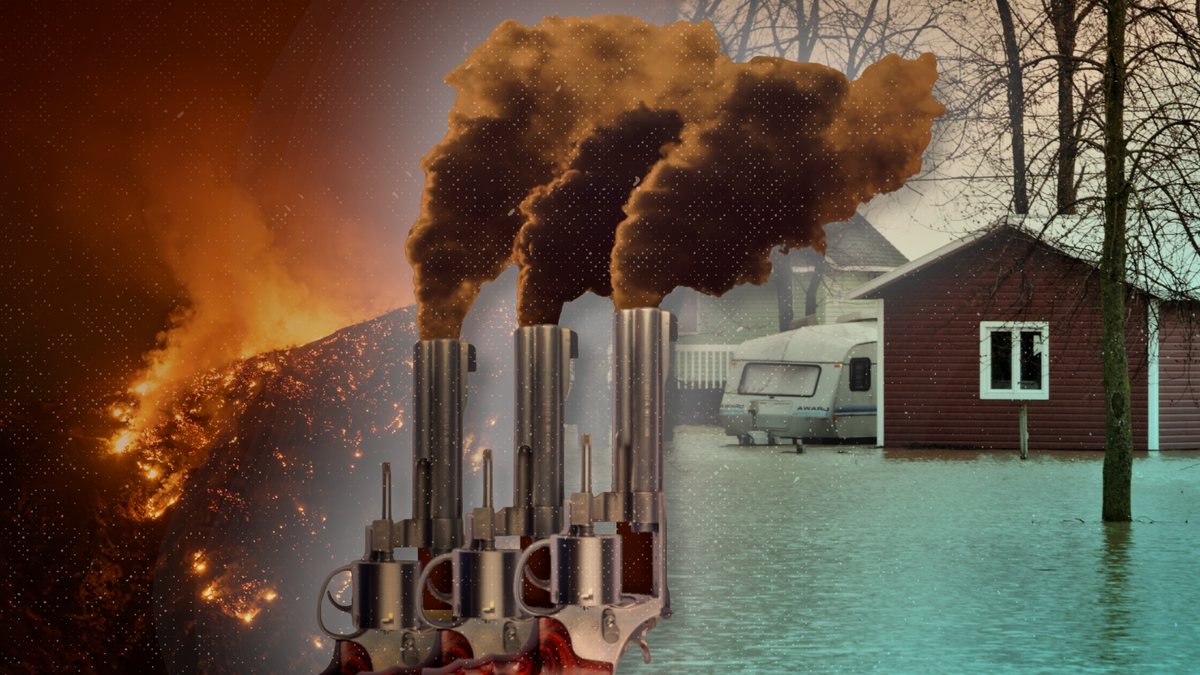
As fossil fuel giants face mounting lawsuits for allegedly downplaying the harm they knew their products would cause to the climate, Republican lawmakers just borrowed a tactic from gun lobbyists’ playbook, proposing sweeping federal immunity for oil and gas companies and limiting compensation for communities struggling with the local costs of climate disasters.
The effort could also block all state-level regulations of greenhouse gases, a sweeping deregulatory effort that some legal experts said was unconstitutional.
The GOP lawmakers behind the plan together received more than $9.5 million from the oil and gas industry over their careers. Their legislation would deliver one of the fossil fuel lobby’s top policy priorities and kill climate lawsuits before they can reach trial.
The new bill, the Stop Climate Shakedowns Act of 2026, introduced last week by Sen. Ted Cruz (R-Texas) and Rep. Harriet Hageman (R-Wyo.), would shield some of the world’s largest oil companies from laws and lawsuits that could make them pay billions of dollars in climate damages, nearly half a century after Exxon scientists first predicted the dangers of burning fossil fuels.
The legislation comes a little more than a year after oil and gas lobbyists first reportedly pressured Congress to grant their industry legal immunity. Gaining that legal shield has become an industry priority before the midterm elections.
In January, the American Petroleum Institute, the country’s largest oil and gas trade association, listed protecting oil companies from climate superfund laws and lawsuits as a top policy target in its 2026 agenda. The trade group has been directly lobbying Congress on the issue since at least last year.
In recent years, dozens of state, local, and tribal governments have brought lawsuits against major oil companies, including Exxon, Shell, Chevron, and BP. The suits point to growing evidence that the companies deceived the public about the “potentially catastrophic events” their products would cause and argue that they should help pay for the damages. Some states have also introduced climate superfund bills that would require oil companies to contribute to the costs of climate adaptation and recovery, akin to the federal Superfund program that makes polluters pay to clean up their environmental pollution. Vermont and New York have passed such bills into law.
Create a FREE account, or log in.
Registered readers of The Lever get access to a limited number of free articles every month, breaking news alerts, and our Lever Daily newsletter.
Already have an account? Sign in