




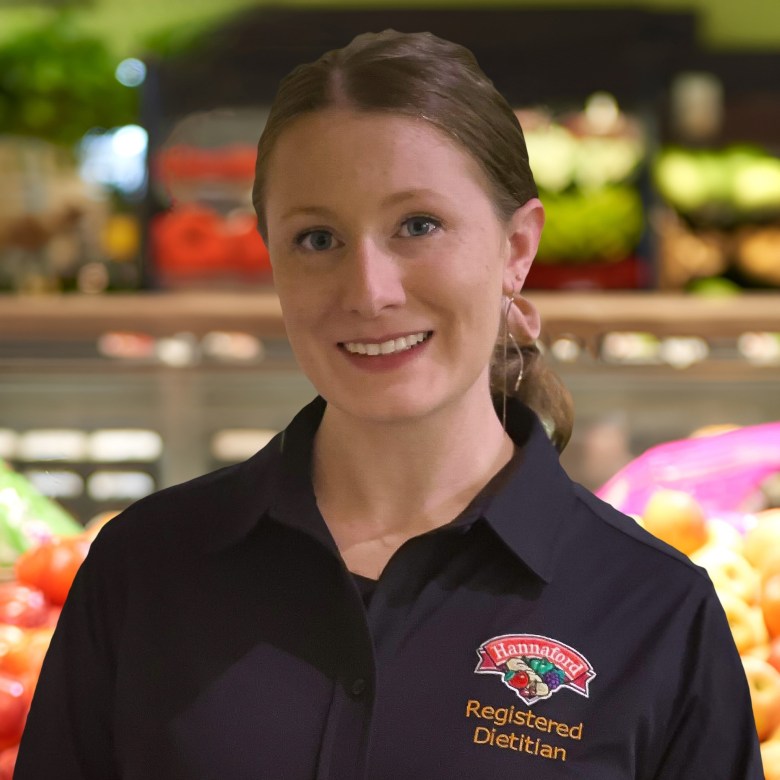
FAYETTE — Residents gathered April 20 at Starling Hall for a Fayette All Age Friendly committee program focused on nutrition and aging, with Hannaford dietitian Alexandra James offering practical guidance on maintaining health and independence.
James said the presentation focused on “nutrition in aging, with a brief introduction to the Hannaford Dietitian Program,” outlining key strategies older adults can apply in everyday life.
The event underscored a broader need in rural communities, where access to health resources can be limited and social isolation more common. By pairing nutrition education with opportunities for connection, organizers aimed to support both the physical health and overall well-being of older residents.
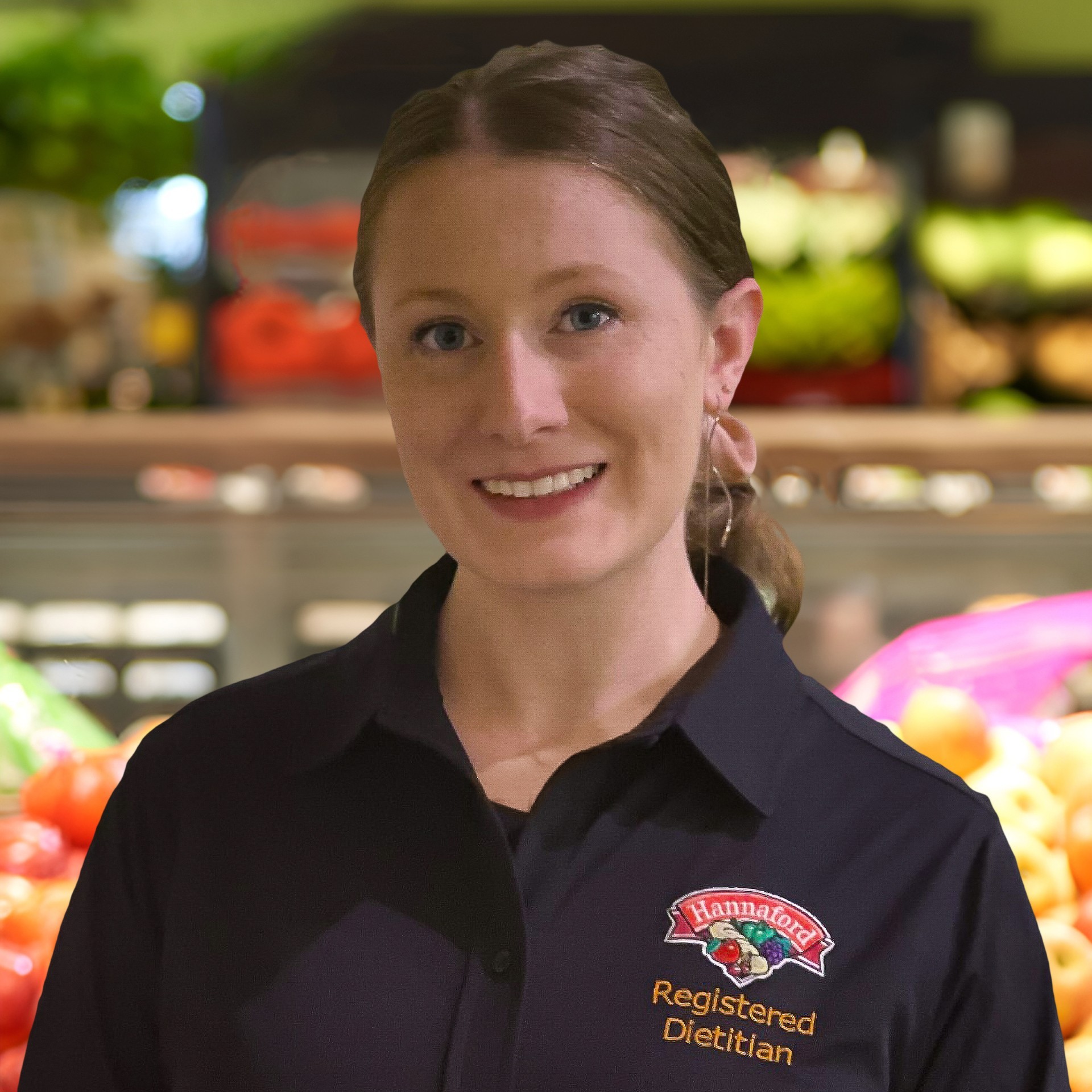 Alexandra James, a Hannaford dietitian, spoke about nutrition and aging during a Fayette All Ages gathering at Starling Hall on April 20. The presentation focused on practical ways older adults can support health and independence through diet. (Courtesy of Alexandra James)
“Gatherings such as these are important in the aging population because they promote connection and socialization, and help to maintain a sense of purpose,” James said. “They can also facilitate new learning opportunities.”
Among the most common concerns she sees are gaps in key nutrients. “The most common nutrition concerns in the aging population are adequate calcium and vitamin D intake for bone health, protein intake for muscle and lean mass maintenance, fiber intake for gut health, and vitamin B12 intake for blood cell formation,” she said.
James also highlighted updated federal dietary guidance, emphasizing whole foods and fewer ultra-processed options. “The 2025 dietary guidelines focus on the incorporation of whole foods, think fruits, vegetables, and whole grains, and limiting ultra-processed foods that are high in things such as added sugar and sodium,” she said. She added that nutrition remains individualized, noting that “working with a Registered Dietitian can help a person navigate their unique nutritional needs.”
She encouraged simple, immediate changes, such as adding fruits and vegetables to meals and snacks, choosing whole grains, and using dairy or fortified alternatives to increase calcium and vitamin D intake.
Nutrition, she said, is closely tied to independence later in life. Adequate intake of calcium and vitamin D helps maintain strong bones and prevent injury, while protein supports muscle mass needed for strength, balance, and flexibility. A balanced diet, she added, can help prevent or lessen the impact of chronic disease.
The presentation prompted discussion throughout the group.
“The group had many interesting questions and comments, which helped to facilitate discussion,” James said.
Attendees responded positively and expressed interest in future programs. Lori Beaulieu, a member of the All Ages group, said, “It was awesome though we’re going to have her come back and talk about spices specifically.”
James said a future session on herbs and spices could build on the nutrition topic. “Simply put, herbs and spices are a good source of antioxidants, which help to support the body’s natural defenses,” she said. They also offer a way to add flavor without relying on salt. For those getting started, she suggested adding small amounts to familiar foods, such as cinnamon in oatmeal or garlic and basil in tomato sauce.
Residents can access additional support through the Hannaford Dietitian Program, which offers online classes, in-store guidance, and one-on-one consultations.
The Fayette All Ages group continues to host programs designed to bring residents together around practical topics, with another session on spices now anticipated.