




Credit: tbralnina / Getty Images
Key Points
Queuosine is a bacteria-derived compound found in certain foods that supports protein production, brain function, and may help suppress cancer cells. New research identifies the SLC35F2 gene as key to transporting it into cells.
Humans cannot produce queuosine and must obtain it from gut microbiota and foods like fermented products, making gut health essential for its availability.
Some people may be deficient in queuosine, which may impact aging and overall health. Early research links it to memory, neurotransmitter production, and longevity, though more study is needed.
The way the body uses certain nutrients is complex, with some vitamins and minerals requiring other compounds for optimal absorption. But there’s a lesser-known vitamin-like compound that supports brain health and suppresses cancer — and scientists may have determined what it needs to be absorbed in the body.
The compound is called queuosine (pronounced “cue-o-scene”), also known as the “longevity vitamin,” and it comes from certain foods and bacteria in the gut. How queuosine is absorbed in the body has puzzled the medical community for 30 years, but a new study from the University of Florida and Trinity College Dublin, published in the journal Proceedings of the National Academy of Sciences, explains how a gene called SLC35F2 helps this compound enter cells. The findings could help spur the development of treatments that use queuosine to support memory and learning and to fight cancer.
Queuosine is found in certain foods, and your gut microbiome plays a crucial role in processing it and making it available for the body to use. Here’s what you need to know about this so-called “longevity vitamin,” plus how to get more of it in your diet.
What is queuosine, the so-called “longevity vitamin”?
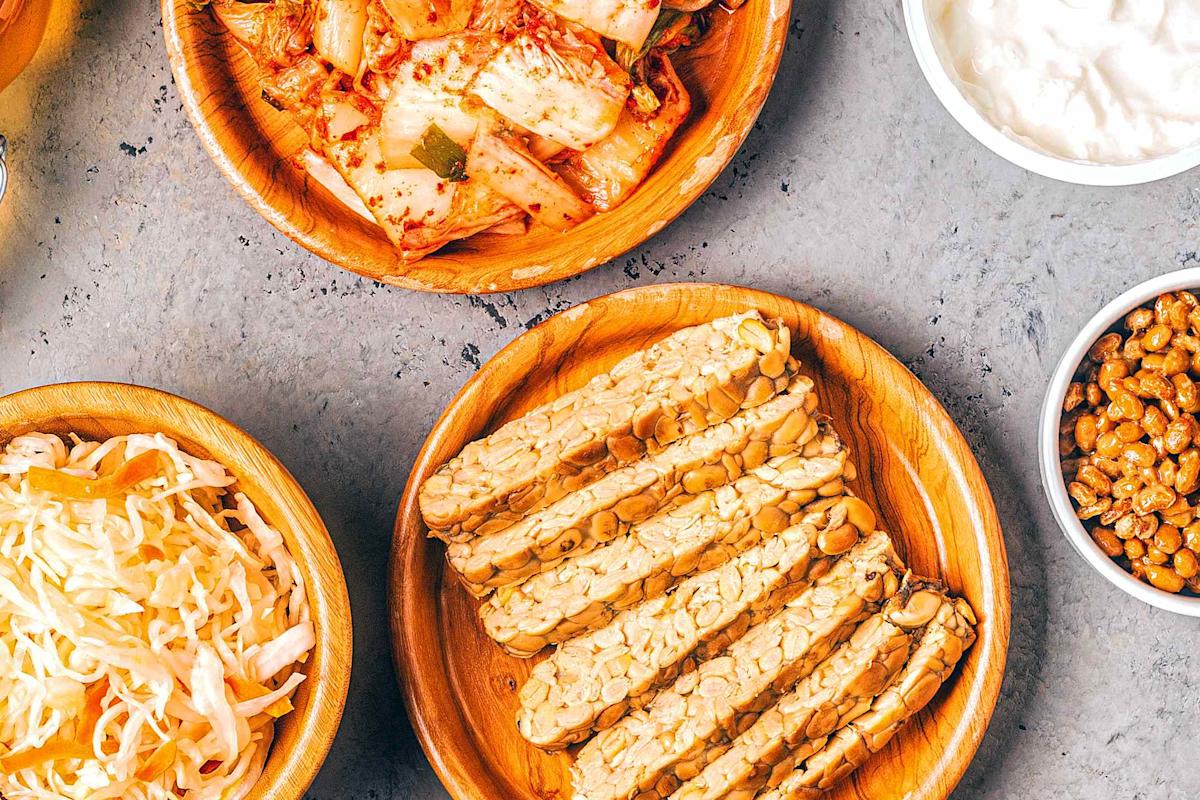
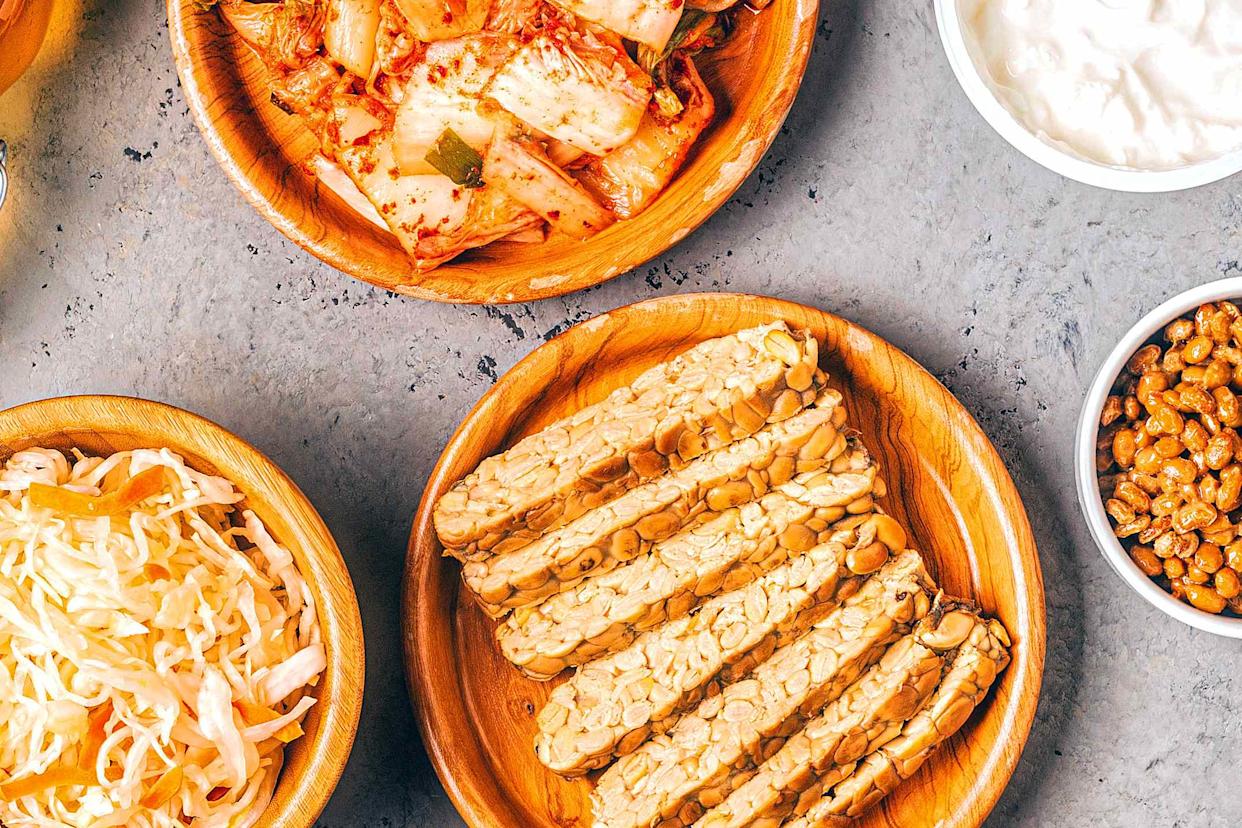
Queuosine is a compound that comes from your gut microbiota and certain foods, explains Sandra Zhang, RDN, at the Frances Stern Nutrition Center at Tufts Medical Center. These include a range of fermented foods like kefir and tempeh, along with a few select others.
“What is unique about queuosine is that it can only be produced by bacteria,” says Vincent P. Kelly, PhD, a study co-author and professor at Trinity College Dublin’s School of Biochemistry and Immunology. “ All other organisms, including humans, fish, fungi, and plants, must obtain queuosine from bacterial sources or its breakdown metabolite, queuine.”
Kelly has studied queuosine for more than 20 years. “It was a poorly understood area at the time,” he says. “Much of my career has focused on nutrients, micronutrients, and minerals that are essential for life. It is a fascinating field.”
How queuosine may support brain health, longevity, and more
Research into the role of queuosine in the body is ongoing, but it helps the body make proteins, says Jessica Cording, RD, author of The Little Book of Game Changers. Queuosine is also linked to better memory and to the suppression of cancer cells. One recent study even linked queuosine to an extended lifespan in flies and mice.
“Cancer cells have been found to be deficient in queuine, and the transporter for queuine has been shown to be important in prostate cancer, where it is upregulated,” says Kelly.
Related: Foods Like Kimchi and Miso May Have Major Mental Health Benefits, New Study Suggests
Kelly’s own research has found that queuosine is important for the brain because it’s needed to produce a molecule involved in the production of mood-boosting neurotransmitters like serotonin and dopamine.
Queuosine is one of the approximately 50 vitamins and micronutrients required by humans and is described as a “longevity vitamin,” Kelly says. “While short-term deficiency may be tolerated, prolonged deficiency can adversely affect health and aging,” he adds.
Unfortunately, Kelly says that some people are “completely devoid” of queuosine, based on blood analyses.
Easy ways to get more queuosine
Because queuosine ultimately comes from bacteria, either in food or via compounds made by your gut microbiome, there’s no recommended intake to aim for. Research is still in the early stages, so experts say it’s more useful to focus on supporting a healthy gut — like regularly eating fermented foods — rather than zeroing in on this one compound. You can get queuosine from a range of foods, including animal foods, according to Zhang.
Blend kefir into your morning smoothie
Use yogurt in place of sour cream or mayo in dips and dressings
Add kimchi to rice bowls, eggs, or even sandwiches
Cook with tempeh as a plant-based protein in stir-fries or salads
Sprinkle wheat germ over oatmeal, cereal, or yogurt
How to support queuosine levels through diet and gut health
Experts say the latest findings are a good reminder to take care of your gut. “Since we rely on our gut microbiota for queuosine, you can become aware of the benefits of maintaining a gut healthy microbiota,” Zhang says.
Related: The Difference Between Prebiotics and Probiotics — and Which Foods to Eat for Each
That includes rotating fermented foods like yogurt and kimchi into your diet, which support a healthy gut and are rich in queuine and queuosine, Cording says. Ultimately, more work on queuosine is needed before it can be better used to support health and longevity. “We do need more research to fully understand how this compound plays a role in health,” Cording says.
Reviewed by
Lauren Manaker MS, RDN, LD, CLEC: Lauren is an award-winning registered dietitian and three-time book author, with more than 22 years in the field.
Read the original article on Food & Wine