




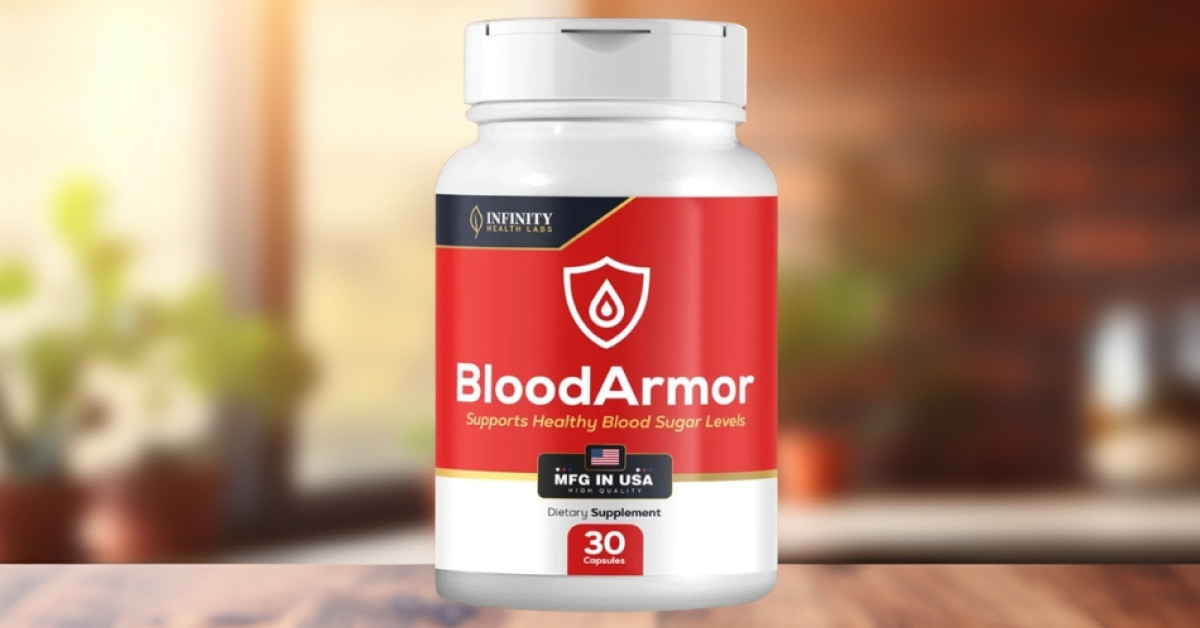
AURORA, Colo., April 29, 2026 (Newswire.com)
–
Disclaimers: This article is for informational purposes only and does not constitute medical advice. Blood sugar concerns should be evaluated by a qualified healthcare professional. Always consult a licensed physician before starting any new dietary supplement, especially if you are currently taking medications for blood sugar, diabetes, cardiovascular health, or any other condition. This article contains affiliate links. If you click these links and make a purchase, a commission may be earned at no additional cost to you. This compensation does not influence the accuracy or integrity of the information presented. Supplements are not intended to diagnose, treat, cure, or prevent any disease. Nothing in this article is intended to encourage substituting a dietary supplement for prescribed medical treatment.
BloodArmor Review 2026: Ingredient Transparency, Research Insights, and What to Know About Blood Sugar Support Supplements
You saw the ad. Maybe on Facebook, maybe YouTube, maybe Instagram – and it stopped you. A 60-second morning ritual that may help support healthy blood sugar levels as part of a broader lifestyle approach.
So you did what any smart person does before spending money on a supplement. You came here first.
Good call. This is the review you were looking for.
Here’s what you won’t find in this article: cherry-picked claims, manufactured excitement, or compliance disclaimers crammed into footnotes where nobody reads them. What you will find is a straight-talking breakdown of what BloodArmor actually contains, what the peer-reviewed research shows about each of its six ingredients, who this supplement is and is not a realistic fit for, how it compares to every meaningful alternative, and what the pricing and guarantee actually cover. There is also a dedicated section for people currently navigating prediabetes numbers – including what fasting glucose readings in the 100 to 125 range actually mean and what a supplement realistically can and cannot do in that window.
This review reflects analysis of peer-reviewed clinical literature, ingredient-level research, and publicly available product data – not brand-provided talking points. The decision is yours to make with your physician.
If you are in a hurry, here is the honest short version before we go deep.
BloodArmor 2026: Quick Verdict
This review is based on publicly available peer-reviewed research, clinical literature, and analysis of the brand’s published product information. Ingredient-level evidence does not guarantee outcomes from the finished product.
May be most relevant for: Adults with borderline fasting glucose or A1c numbers who are actively working with their physician to support healthy blood sugar through lifestyle changes and want a research-supported supplement as part of that effort. Also worth exploring for people experiencing post-meal energy crashes, persistent sugar cravings, or early metabolic concerns they want to address proactively – with a physician’s knowledge.
Not suited for: Anyone currently on prescription blood sugar medications who has not spoken with their physician first. Berberine – the lead ingredient – has documented interactions with metformin, insulin, sulfonylureas, and GLP-1 drugs. This is a real clinical consideration, not a formality.
Realistic timeline: Expect nothing measurable in the first two to four weeks. The research on the key ingredients – particularly berberine – points toward 12 to 24 weeks of consistent use before objective glucose markers reflect any meaningful shift. A1c reflects roughly three months of glucose patterns, so meaningful changes are not typically observable within two weeks. Plan for 90 days minimum, 180 days for the most complete evaluation.
Safety profile: Generally well-tolerated in study populations. The primary risk is drug interaction, particularly for anyone already on glucose-lowering medications. A physician conversation before starting is not optional if you are in that category.
The compliance note you need to read: Ingredient-level research does not guarantee outcomes from the finished product. The studies cited in this review are on individual compounds, not on BloodArmor as a complete formula. Individual results will vary. This is a dietary supplement, not a treatment for any disease. These statements have not been evaluated by the Food and Drug Administration.
Bottom line: From an ingredient transparency and formulation approach standpoint, BloodArmor uses a research-grounded ingredient panel with named compounds and named forms – an approach that is more transparent than many competing products based on publicly available labeling practices. Whether it produces meaningful support for your specific glucose metabolism situation is something only a sustained trial – with your physician’s knowledge – can answer.
See current BloodArmor pricing and availability on the official website
Disclosure: If you buy through this link, a commission may be earned at no extra cost to you.
Who Is Actually Searching for BloodArmor Right Now – And Why It Matters
The people searching for this product right now are not a single, uniform group. They are coming from very different places emotionally and clinically, and understanding which group you fall into matters for evaluating whether this supplement makes sense for your situation.
The recently lab-tested. It is late April. Annual physicals are happening across the country. People are opening their lab results and seeing fasting glucose numbers in the 100-125 range – the pre-diabetic window – and feeling a mix of fear, motivation, and urgency. Their doctor said something like “let’s keep an eye on this” or “I want to see you make some lifestyle changes before we talk about medication.” They are now searching for everything they can do in the next 90 days.
The energy-crash sufferers. They have not necessarily had a concerning lab result yet. But they feel the glucose rollercoaster in their daily life – the afternoon fog, the crash two hours after lunch, the intense sugar cravings that sabotage their diet around 3pm. They know something is off with how their body handles food, and they are looking for a natural approach that addresses the underlying mechanism rather than just the symptoms.
The proactive optimizers. They have a family history that worries them. A parent who developed type 2 diabetes. A sibling who went on metformin. They are watching their own numbers closely and want to act before those numbers become a problem. They may be using a continuous glucose monitor or a glucometer at home. They are data-driven and skeptical, and they want ingredient-level evidence before they buy anything.
The gift-givers. Mother’s Day is weeks away. Father’s Day is coming in June. They have someone in their life – a parent, a spouse, a sibling – who has been struggling with blood sugar concerns, and they want to give something meaningful. They search differently than the direct buyer, and they convert when the review gives them confidence that the product is legitimate and the science is real.
The type 2 managers. They are already on medication and are looking for natural adjuncts their doctor might be open to discussing. This group carries the most significant drug interaction risk – particularly with berberine – and we will return to that with full detail multiple times in this review because it genuinely matters.
Wherever you fall in that spectrum, this guide is structured to address your situation specifically.
Before You Read Further: Who Should NOT Take BloodArmor
This deserves to come early rather than buried in the middle, because for certain readers it matters more than anything else in this review.
If you are currently on any prescription blood sugar medication, stop here and talk to your doctor before going further. That includes metformin, insulin, sulfonylureas like glipizide or glyburide, and GLP-1 receptor agonists like semaglutide. Berberine, the lead ingredient in this formula, has documented interactions with all of these drug classes. The interaction risk is not theoretical – it involves the real possibility that berberine’s glucose-lowering effects, layered on top of medication that is already doing that work, could push blood sugar too low. The brand’s own FAQ says it plainly: if you take blood sugar medications, consult your doctor before use, as dosage adjustments may be needed to avoid low blood sugar. That is not standard fine-print language. It is an accurate clinical warning.
Also talk to your physician first if you are pregnant or nursing, have active kidney disease or liver conditions, take anticoagulants like warfarin, take certain antibiotics, or take blood pressure medications. Berberine’s interaction profile runs through the CYP3A4 enzyme pathway, which processes a wider range of medications than most people realize. Bring the full ingredient list to your pharmacist and ask about interactions with everything you take.
If none of those situations apply to you, read on. This review is built for you.
The Blood Sugar Problem in Plain Language
Before reviewing BloodArmor specifically, it helps to understand what blood sugar dysregulation actually involves – because most supplement reviews skip this entirely and leave you without the context to evaluate whether any product makes sense for your situation.
Glucose is your body’s primary energy currency. Every cell runs on it. Your brain, which accounts for roughly 20 percent of your body’s energy consumption despite being a small fraction of its weight, is particularly dependent on a steady glucose supply. The challenge is not glucose itself. The challenge is how your body manages the constant fluctuations in blood glucose that come from eating, activity, stress, and sleep.
When you eat carbohydrates, your digestive system breaks them down into glucose molecules that enter your bloodstream. Your pancreas detects the rise in blood glucose and releases insulin – a hormone that functions as a key, unlocking receptors on cell walls so glucose can enter and be used for energy. In a healthy, well-functioning metabolic system, this entire process happens efficiently. Blood glucose rises modestly after a meal, insulin does its job, glucose is absorbed into cells, and blood glucose returns to a baseline below 100 mg/dL within a couple of hours.
When this system starts to break down, the consequences accumulate gradually and then suddenly. The most common breakdown pattern is insulin resistance: cells become progressively less responsive to insulin’s signal. The pancreas compensates by producing more insulin to achieve the same effect. For a while, blood glucose stays under control – but at the cost of hyperinsulinemia, which has its own downstream effects on weight, inflammation, and hunger hormones. Eventually, even elevated insulin levels cannot fully compensate, and fasting glucose begins to rise into the pre-diabetic range.
The fasting glucose range between 100 and 125 mg/dL, and the A1C range between 5.7 and 6.4 percent, represent the window where intervention is most impactful – these are the thresholds established by American Diabetes Association diagnostic criteria. The damage from sustained glucose elevation accumulates over years – to blood vessels, peripheral nerves, kidneys, and eyes – and early intervention during the pre-diabetic window can meaningfully alter long-term trajectory.
This is the window BloodArmor is designed for. Not as a treatment for diabetes – it cannot make that claim and does not – but as a dietary supplement that uses research-supported ingredients to provide the body’s glucose metabolism system with support during the period when that support is most likely to matter.
Consult your physician. This is not medical advice. These statements have not been evaluated by the Food and Drug Administration.
What Is BloodArmor?
BloodArmor is a once-daily dietary supplement capsule formulated with six ingredients – berberine HCL, gymnema sylvestre, Cinnamomum cassia bark, bitter melon, chromium picolinate, and banaba leaf extract – that have each been studied in peer-reviewed scientific literature in the context of blood sugar regulation and glucose metabolism.
It is sold direct-to-consumer through BuyGoods, a well-established affiliate e-commerce platform with a recognizable name in the supplement direct-to-consumer space. It is not sold in retail stores, is not a prescription product, and does not require a prescription to purchase.
BloodArmor is a dietary supplement, not a medication. It is regulated under DSHEA – the Dietary Supplement Health and Education Act of 1994 – which governs labeling, safety standards, and the types of claims that can be made about a product’s role in supporting body structure or function. DSHEA does not require pre-market FDA approval for dietary supplements, which means the finished BloodArmor formula has not been evaluated by the FDA for effectiveness. What has been studied extensively, across many peer-reviewed publications and meta-analyses, are the individual ingredients the formula uses.
The brand positions the product around a simple once-daily protocol – one capsule taken with water, preferably 30 minutes before meals – with the stated goal of supporting healthy glucose metabolism throughout the day. The morning ritual positioning in their advertising speaks to habit formation, which is relevant because the ingredients with the most robust research behind them – particularly berberine – show greater associations with meaningful outcomes in longer-duration studies. This is not a supplement that works in a week. The brand recommends at least 90 days for a meaningful trial, and their strongest research argument points toward 180 days.
Why Summer 2026 Is a Particularly Relevant Window for This Category
This section is not marketing language. There are specific, documented reasons why late spring and early summer represent a high-urgency moment for blood sugar support, and they are worth understanding before evaluating any supplement in this category.
Annual physical season is producing fresh lab results right now. The March through May window is peak annual physical season in the United States. Millions of people are receiving their bloodwork this month – and many are seeing fasting glucose numbers that were not a concern two or three years ago. The combination of pandemic-era sedentary behavior, dietary pattern changes, and the aging of the largest adult population cohort in American history has produced a significant increase in borderline and pre-diabetic fasting glucose numbers. People who receive a borderline reading today are motivated to act while the motivation is fresh.
Summer foods create specific, predictable blood sugar challenges. Watermelon, which has a high glycemic index and is consumed in very large portions in summer, can produce meaningful post-meal glucose spikes. Cookout foods – corn, baked beans, white-flour buns, sweetened condiments – layer carbohydrates in ways that challenge glucose metabolism. Fruit-forward summer beverages and smoothies, which appear healthy, can deliver concentrated glucose loads. Alcohol, which alters glucose metabolism through liver function impacts, is consumed more in summer social settings. These are not reasons to avoid summer foods entirely, but they are reasons why blood sugar management in summer requires more active support than in winter.
Heat and dehydration directly affect blood glucose. When you are dehydrated – even mildly, which is common in summer heat – your blood volume decreases and the concentration of glucose in the blood increases proportionally. This can produce higher glucose readings even without any change in diet or activity. Understanding this mechanism matters for anyone tracking their numbers, and it reinforces the relevance of maintaining consistent supplement protocols through a season when other factors are working against stable glucose.
The GLP-1 cultural moment has permanently elevated this category. The mainstream conversation around semaglutide drugs – Ozempic and Wegovy – has had a secondary effect of making blood sugar and metabolic health a topic of mainstream consumer interest in a way that was not true even three years ago. People who would never previously have thought about their insulin sensitivity are now aware of it. The search data reflects this: queries about natural approaches to metabolic health, natural GLP-1 support, and blood sugar optimization among people without a diabetes diagnosis have grown substantially through 2025 and into 2026. BloodArmor’s ingredient-level research on berberine’s AMPK activation mechanism is directly relevant to this search intent – carefully and compliantly framed as ingredient-level research, not as a comparison to any drug.
BloodArmor Ingredients Label: A Thorough, Honest Research Review
This is the section that most supplement reviews handle badly – either by reproducing brand marketing language as if it were independent science, or by dismissing ingredient research entirely because the finished product lacks clinical trials. Neither approach serves you well.
What follows is an accurate characterization of what the peer-reviewed research actually shows about each ingredient in this formula, what it does not show, and how confidently each ingredient’s inclusion can be justified. The caveat applies to every subsection: this is ingredient-level research. BloodArmor as a finished product has not been independently clinically studied as a complete formula. These findings do not mean BloodArmor replaces prescribed treatment for any condition. Individual results will vary significantly. Consult your physician before starting any supplement, especially if you take medications for blood sugar or any other condition.
Berberine HCL
Berberine is the most clinically studied ingredient in this formula, and one of the most studied plant compounds in the entire field of metabolic health research. It is an isoquinoline alkaloid found in several plants – barberry, goldenseal, Oregon grape, and tree turmeric among them – and has been used in traditional Chinese and Ayurvedic medicine for over two thousand years, primarily for metabolic and digestive conditions.
Modern research has identified the key mechanism through which berberine appears to act: activation of AMPK, adenosine monophosphate-activated protein kinase. AMPK is an enzyme that functions as a cellular energy sensor – based on laboratory and clinical research on the compound, when energy status shifts, AMPK activates and triggers a coordinated metabolic response: increased glucose uptake in cells, enhanced fat oxidation, reduced glucose production in the liver, and outcomes associated with improved insulin sensitivity in some study populations. Researchers have described AMPK as a metabolic master switch because of how broadly it affects energy regulation, which is why berberine’s AMPK-activating properties have generated such sustained scientific attention over the past two decades.
A landmark 2008 study in the journal Metabolism examined berberine supplementation in adults with type 2 diabetes and found significant reductions in fasting blood glucose and hemoglobin A1c. The magnitude of effect observed in that study population generated considerable research interest – this finding led to further investigation but does not indicate equivalence to any prescription medication. This is ingredient-level research on a specific study population. It is not a statement that BloodArmor is equivalent to metformin, that berberine replaces metformin, or that this supplement will produce the same results in any individual. Those are claims that cannot be made, should not be implied, and are not implied here.
What the research does show, across multiple subsequent meta-analyses, is consistency. A 2019 meta-analysis published in Evidence-Based Complementary and Alternative Medicine reviewed 27 randomized controlled trials and found significant associations between berberine supplementation and reductions in fasting blood glucose. A separate systematic review examining berberine’s effects on insulin sensitivity found associations with HOMA-IR improvement across multiple study populations. The research base for berberine in this context is more robust than for virtually any other plant compound in the blood sugar support category.
The interaction caveat deserves direct and unambiguous language: berberine has documented interactions with blood sugar medications. If berberine meaningfully enhances insulin sensitivity and glucose uptake, combining it with medications that already lower blood sugar – metformin, insulin, sulfonylureas, GLP-1 agonists – creates genuine potential for hypoglycemia. The brand’s FAQ is explicit: if you are taking blood sugar medications, consult your doctor before use, as dosage adjustments may be needed to avoid low blood sugar. This is not boilerplate. It is a real clinical consideration that requires an actual conversation with your prescribing physician before you begin taking this supplement. Do not skip this step.
BloodArmor uses berberine HCL, the hydrochloride salt form that has superior bioavailability compared to berberine in its base form. This is the appropriate form for supplemental use and is the form used in the majority of the clinical research.
Gymnema Sylvestre
Gymnema Sylvestre is a woody climbing plant native to the tropical forests of India, Africa, and Australia. Its Hindi name – gurmar – translates literally to “destroyer of sugar,” which reflects how it has been used in Ayurvedic medicine for over two thousand years as a treatment for madhu meha, a condition ancient texts describe in terms that closely resemble what we now call type 2 diabetes.
The active compounds responsible for gymnema’s proposed effects are gymnemic acids, a class of triterpene saponins with a structural configuration that appears to interact with glucose receptors in the intestinal mucosa. The proposed mechanism involves competitive occupation of glucose receptor sites in the intestinal wall, reducing the amount of dietary glucose absorbed into the bloodstream during digestion. This upstream action – reducing how much glucose enters the blood from the gut – is mechanistically distinct from berberine’s AMPK activation pathway, which is part of what gives this combination formula its multi-mechanism logic.
A secondary mechanism that has attracted meaningful research interest involves gymnema’s effect on taste perception. Gymnemic acid molecules interact with taste receptors in the mouth that respond to sweetness, temporarily reducing the perception of sweet taste. Some researchers have proposed that this same class of mechanism – or a related modulation of sweet-taste signaling more broadly – may contribute to the reduced sugar cravings that users of gymnema have reported consistently. The brand’s description of gymnema as an ingredient that may help curb sugar cravings is grounded in this body of research.
Published research in the Journal of Clinical Biochemistry and Nutrition and in Diabetes, Obesity and Metabolism has found associations between gymnema leaf extract supplementation and improvements in fasting glucose and post-meal glucose in study populations with elevated glucose. The gymnema research base is less extensive than berberine’s – fewer large randomized controlled trials and fewer meta-analyses – but the mechanistic framework is well-characterized and the available clinical data is supportive.
Gymnema Sylvestre has a generally favorable safety profile in study populations. Because it has glucose-lowering properties, it should be used with caution alongside blood sugar medications, for the same interaction reasons that apply to berberine.
Cinnamon (Cinnamomum cassia) Bark
Cinnamon is both the most familiar and the most debated ingredient in blood sugar supplement research. Most people encounter cinnamon as a kitchen spice, which makes the supplement category feel either reassuringly familiar or disappointingly ordinary depending on your perspective. The reality, as with most nutraceutical research, is more nuanced than either extreme.
The species that has been most extensively studied in the context of blood sugar support is Cinnamomum cassia – the same species BloodArmor uses. This distinction matters because cinnamon research has sometimes been conducted on Cinnamomum verum, also known as Ceylon cinnamon, and the two species differ in their concentrations of active compounds. The compounds most associated with Cinnamomum cassia’s metabolic effects are procyanidins and a class of polyphenolic compounds called methylhydroxychalcone polymer, which appear in laboratory research to activate insulin receptors and enhance the efficiency of glucose transport into cells.
A frequently cited 2003 study in Diabetes Care examined the effects of 1, 3, and 6 grams of Cinnamomum cassia daily in adults with type 2 diabetes and found significant reductions in fasting glucose, triglycerides, and LDL cholesterol at all three doses after 40 days of use. Subsequent research has been more heterogeneous – some studies replicating the findings, others showing more modest effects depending on dose, form, and study population characteristics. A 2012 meta-analysis in the Journal of Medicinal Food reviewed 10 randomized controlled trials and found statistically significant associations between cinnamon supplementation and reductions in fasting blood glucose, while acknowledging that effect sizes varied considerably across studies.
The brand is correct that the cinnamon in BloodArmor is a concentrated extract rather than culinary cinnamon powder, and this distinction matters for potency and safety in equal measure. Cinnamomum cassia contains coumarin, a naturally occurring compound that in high doses has demonstrated liver toxicity. The coumarin content in standardized extracts is substantially lower than in whole cinnamon powder, which is why a concentrated extract is both more therapeutically relevant and safer for regular supplementation than adding spoonfuls of grocery-store cinnamon to food. Anyone with existing liver concerns should discuss cinnamon supplementation with their physician.
Bitter Melon
Bitter melon – Momordica charantia – is a tropical vine that has the unusual distinction of being simultaneously a traditional food and a traditional medicine across South and Southeast Asia, Africa, and the Caribbean. The fruit is a culinary staple in Indian, Filipino, Chinese, and Caribbean cooking, while the plant has been used medicinally for blood sugar support in all of those cultures for generations.
The bioactive compounds in bitter melon most relevant to glucose metabolism include charantin, a steroidal saponin with demonstrated effects on glucose utilization; vicine, a pyrimidine glycoside; and polypeptide-p, a compound with structural similarities to insulin that has been proposed to have direct insulin-like activity. Together, these compounds appear to affect blood sugar through multiple mechanisms: potential direct insulin-mimicking activity from polypeptide-p, inhibition of hepatic glucose production from charantin, and enhanced glucose uptake in peripheral tissues through mechanisms that remain the subject of active research.
The clinical research on bitter melon is more heterogeneous than on berberine. Some randomized controlled trials have found meaningful associations with improved glucose parameters. A 2011 randomized trial in the Journal of Ethnopharmacology found associations between bitter melon capsule supplementation and reductions in fasting glucose in adults with type 2 diabetes. A Cochrane-affiliated systematic review noted that although multiple trials showed trends toward improved glucose control, the trials were generally small and methodologically heterogeneous, limiting the strength of the conclusions that can be drawn. This is an honest characterization of where the evidence stands.
Bitter melon’s role in a combination formula like BloodArmor is as a mechanistically plausible supporting ingredient with a substantial traditional use history and an emerging clinical research base – not as the primary driver of the formula’s glucose-support rationale. That role belongs to berberine. It should be used cautiously alongside blood sugar medications for the same interaction reasons as the other glucose-active compounds in this formula.
Chromium Picolinate (100 micrograms)
Chromium occupies a different category than the plant-based ingredients in this formula. It is not an herbal compound with a traditional medicine history – it is an essential trace mineral with an established role in human metabolism recognized by mainstream nutritional science for decades, with a Dietary Reference Intake established by the National Institutes of Health. The NIH Office of Dietary Supplements notes that chromium plays a role in the metabolism of macronutrients and may enhance insulin action.
The mechanism through which chromium supports glucose metabolism involves a small protein called chromodulin, sometimes referred to as low-molecular-weight chromium-binding substance, which amplifies insulin receptor signaling at the cellular level. When chromium is present in adequate amounts, chromodulin facilitates the cascade of molecular events triggered by insulin binding to its receptor, thereby making the receptor system more responsive. The practical result is that insulin does its job more efficiently. In populations where chromium intake is insufficient – which is more common than many people realize, particularly among those consuming a high-refined-carbohydrate diet that depletes chromium stores – insulin resistance can develop or worsen as a consequence of inadequate chromium availability rather than any intrinsic problem with insulin itself.
Chromium picolinate, in which chromium is bound to picolinic acid, has been consistently demonstrated in bioavailability studies to be more efficiently absorbed than other forms of chromium, including chromium chloride and chromium nicotinate. It is the form used in the majority of chromium supplementation research. Published studies in Diabetes and the Journal of Trace Elements in Medicine and Biology have found associations between chromium picolinate supplementation and improvements in insulin sensitivity and fasting glucose. A 2002 meta-analysis examining 15 randomized controlled trials found associations between chromium supplementation and improved glucose outcomes in study populations with diabetes or impaired glucose tolerance.
BloodArmor’s 100-microgram dose of chromium picolinate represents 286 percent of the daily value, placing it in the therapeutic dosing range used in multiple clinical studies. This is the appropriately sized dose for this ingredient and is one of the markers of formula quality to look for when evaluating blood sugar supplement products – many competitors include chromium at doses too small to be clinically relevant.
Banaba Leaf (Lagerstroemia speciosa) Extract
Banaba is a flowering tree native to Southeast Asia and the Philippines, where it is called banaba and has been used in traditional folk medicine for blood sugar support across the Philippine archipelago for generations. It is one of the less familiar ingredients in this formula for Western consumers but has a substantive and growing research history, particularly in Southeast Asian and Japanese scientific literature.
The primary bioactive compound in banaba leaf is corosolic acid, a pentacyclic triterpenoid that has been studied across multiple mechanisms in glucose metabolism. The most well-characterized mechanism involves stimulation of GLUT4, glucose transporter type 4 – the primary protein responsible for moving glucose molecules from the bloodstream into skeletal muscle and adipose cells. GLUT4 activation is the downstream target of insulin signaling, which is why corosolic acid is sometimes described as having insulin-like properties: it appears to promote glucose uptake into cells through a pathway that shares effectors with the insulin signaling cascade.
A randomized crossover study published in the Journal of Ethnopharmacology found that a single dose of a corosolic acid-standardized extract was associated with reduced blood glucose levels during a glucose tolerance test compared to placebo, with effects observed within one to two hours of consumption. Longer-duration studies have found associations with improvements in fasting glucose and post-meal glucose patterns with consistent use. A review published in the Journal of Ethnopharmacology summarized the mechanistic and early clinical evidence for corosolic acid’s glucose-related effects as promising and warranting further investigation.
Banaba leaf also contains ellagitannins, lageracetal, and reginin – compounds with additional antioxidant and anti-inflammatory properties that contribute to the plant extract’s overall biological profile, potentially beyond the corosolic acid fraction alone. The full leaf extract is likely more biologically active than isolated corosolic acid for this reason.
This is ingredient-level research. BloodArmor as a finished product has not been clinically studied as a complete formula. For a full breakdown of safety considerations and drug interactions, see the safety section below.
Also Read: Does This Blood Sugar Support Supplement Deliver on Its Promises?
The Formula Logic: Why Six Ingredients Instead of One
This is a question worth engaging directly, because the “kitchen sink formula” problem is real in the supplement industry, and you are right to ask it.
The argument for a single high-dose compound is this: if berberine is the most researched ingredient for blood sugar support, why not just take a high-dose berberine supplement at 1,000 to 1,500 mg per day – the dosing range used in many of the most significant studies – rather than a combination formula where berberine is one of six components?
It is a legitimate question. The honest answer has two parts.
First, the mechanistic diversity argument: blood sugar dysregulation is not a single-pathway problem. Insulin resistance, elevated hepatic glucose production, impaired intestinal glucose absorption, reduced cellular glucose uptake, insufficient chromium-dependent insulin signaling, and elevated post-meal glucose spikes all contribute to the same deteriorating glucose profile – but through different mechanisms. Berberine at high doses addresses the AMPK and hepatic glucose production side of this equation effectively. It addresses the intestinal absorption side less directly. Chromium picolinate addresses insulin receptor sensitivity specifically. Gymnema addresses the intestinal absorption pathway. Banaba leaf’s corosolic acid addresses GLUT4-mediated cellular uptake. A formula that covers multiple mechanisms simultaneously may provide more comprehensive support than a higher dose of a single compound, even if that single compound has better individual research.
Second, the tolerability argument: berberine at high doses – particularly 1,000 to 1,500 mg daily – is associated with gastrointestinal discomfort including nausea, cramping, and diarrhea in some individuals. A combination formula that achieves meaningful berberine exposure alongside complementary compounds targeting adjacent mechanisms may allow a lower per-ingredient dose of each component while maintaining or improving the overall glucose-support effect profile. Whether this is true for BloodArmor specifically is not established by clinical research on this finished formula, but the hypothesis is mechanistically sound.
The counterargument – that combination formulas often use each ingredient at doses too low to have individual relevance – is also valid and is worth considering when evaluating any multi-ingredient product. BloodArmor does not publish specific milligram dosing for all components on its product page, which is a limitation in evaluating this formula relative to standalone supplements, where dosing is transparent. The 100-microgram chromium picolinate dose is disclosed explicitly and is appropriate. For the plant-based ingredients, dose transparency is something worth pursuing with the brand directly if you want to compare doses to research benchmarks.
See current BloodArmor packages and start your order on the official website
BloodArmor Reviews 2026: Is It Legit? What Buyers Should Know Before Ordering
The searches people run after seeing this ad include “is BloodArmor legit,” “BloodArmor reviews 2026,” and “is bloodarmor worth it.” These are valid questions and deserve a direct, non-evasive answer.
Here is what the evidence supports and what it does not.
What supports BloodArmor’s legitimacy: The ingredient selection is real and substantiated. Berberine, gymnema sylvestre, Cinnamomum cassia, bitter melon, chromium picolinate, and banaba leaf are all ingredients with actual peer-reviewed research in the context of blood sugar support. The brand does not hide the ingredient list behind a proprietary blend. The product is distributed through BuyGoods, a well-established direct-to-consumer platform with a track record in the supplement space. The satisfaction guarantee – while you must verify specific terms at checkout since package options carry different guarantee windows – represents a meaningful financial backstop for buyers. The FDA disclaimer language on the product page is appropriate and accurate for a dietary supplement.
What requires honest qualification: BloodArmor as a complete finished formula has not been independently clinically studied. The research behind its ingredients is real, but ingredient research does not guarantee any particular outcome for any individual. The product makes structure-function claims about supporting blood sugar that are appropriate under DSHEA, and the brand’s own website includes the required FDA disclaimer. Dosing transparency for the plant-based ingredients is limited on the product page. The pricing grid on the website includes multiple package options with different guarantee periods – 60-day and 180-day depending on which specific package you select – and this can be confusing. Always verify which guarantee applies to your specific order before completing purchase.
The bottom-line legitimacy verdict: BloodArmor is a genuine product with genuine ingredients backed by genuine peer-reviewed research, distributed through a legitimate platform, with a money-back guarantee that reduces the financial risk of trying it. It is not a miracle product. It is not a substitute for medical care. But it is a supplement with a transparent ingredient panel – based on ingredient-level analysis and publicly available labeling practices – in a category where many competing products offer less ingredient transparency than this one.
BloodArmor and Prediabetes: What Borderline Numbers Actually Mean
Because a significant portion of people searching for this product have recently received borderline lab results, this section addresses the prediabetes question specifically and in the depth it deserves.
Prediabetes is defined by two measurements. A fasting blood glucose between 100 and 125 mg/dL on at least two occasions, or a hemoglobin A1c between 5.7 and 6.4 percent, meets the clinical criteria for prediabetes under American Diabetes Association diagnostic guidelines. These thresholds exist not because everyone in this range will develop type 2 diabetes – they will not – but because people in this range have meaningfully elevated risk and are in the window where intervention is most likely to produce lasting benefit.
The pre-diabetic window is not a waiting room for a worse diagnosis. It is the most important intervention point in the entire disease trajectory. Research consistently shows that adults in the pre-diabetic range who implement meaningful lifestyle changes – reducing refined carbohydrates, increasing physical activity, improving sleep, managing stress – can return their glucose markers to the normal range and substantially reduce their lifetime risk of progressing to type 2 diabetes. The research on berberine specifically includes multiple randomized controlled trials in pre-diabetic populations, and the associations with fasting glucose and A1c improvement in those populations are among the more robust findings in the berberine literature.
What does a supplement like BloodArmor realistically offer someone in the pre-diabetic range? Not a cure. Not a guarantee. This supplement is not intended to diagnose, manage, treat, reverse, or prevent prediabetes or diabetes. But it does provide a set of ingredients – berberine, gymnema, chromium picolinate, cinnamon bark, bitter melon, banaba leaf – that each target mechanisms relevant to the insulin resistance and glucose management challenges that characterize the pre-diabetic metabolic profile, on top of a foundation of lifestyle changes. The brand’s recommendation of at least 90 days for a meaningful trial aligns with how A1c is measured: because A1c reflects average glucose over approximately three months, you need at least one full A1c cycle to assess whether any intervention – supplement, diet change, or medication – has had a measurable effect on that marker.
If your doctor has said “let’s watch your numbers and come back in three months,” that is a window where a thoughtful supplemental strategy, discussed with your physician, may be a meaningful complement to dietary and exercise changes. BloodArmor’s ingredients are relevant to this context. Consult your physician before adding it to your protocol, particularly because berberine’s interaction potential with any medications you may be taking – including blood pressure medications and certain antibiotics – extends beyond blood sugar drugs specifically.
Do not use a dietary supplement as a reason to avoid or delay appropriate medical evaluation and treatment.
Who BloodArmor May Be Right For
Rather than presenting customer testimonials – which reflect individual experiences, cannot be verified for typicality, and are not guaranteed results – here is an honest framework to evaluate your own fit with this product.
BloodArmor May Align Well With People Who:
Have recently received borderline fasting glucose or A1c numbers and are working proactively with their physician to support healthy blood sugar through lifestyle and supplemental means. This is the core use case the formula was designed for, and it is the category of person most likely to have a meaningful experience with this ingredient combination. The berberine research in pre-diabetic populations is directly applicable here.
Are experiencing post-meal energy crashes, persistent sugar cravings, or glucose rollercoaster symptoms that affect their daily functioning. The combination of gymnema’s proposed effect on craving reduction and berberine’s AMPK-mediated glucose metabolism support is relevant to this symptom profile. Results are not guaranteed and will vary.
Want a once-daily protocol that integrates cleanly into a morning routine. One capsule taken 30 minutes before the first meal of the day is a low-friction commitment. For people who have struggled to sustain more complex supplement regimens, the simplicity here is a practical advantage.
Are looking for a supplement with named, researched ingredients and a formula that goes beyond a single compound. Many competing products in this category use cinnamon alone, or use a short list of ingredients at doses too small to be relevant. BloodArmor’s six-ingredient panel, while not disclosing all individual doses on the product page, uses ingredients that each have peer-reviewed research relevance.
Understand that they are committing to a 90-to-180-day trial and are not expecting dramatic changes in the first two weeks. The brand’s recommendation for a longer trial period is consistent with the research timeline for the ingredients involved, particularly for A1c-related outcomes.
Value a satisfaction guarantee as a financial backstop. According to the brand’s website, orders are backed by a satisfaction guarantee. Specific guarantee periods vary by package – verify the applicable guarantee window for your specific order at checkout.
Other Options Are Likely More Appropriate For People Who:
Are currently on prescription blood sugar medications including metformin, insulin, sulfonylureas, or GLP-1 receptor agonists. The drug interaction risk with berberine is real and clinically significant. Do not add any berberine-containing supplement to an existing blood sugar medication regimen without an explicit conversation with your prescribing physician. This is not a risk to manage through cautious self-monitoring. It requires medical guidance.
Are pregnant, nursing, or trying to conceive. This is not the appropriate population for self-directed supplementation with glucose-active compounds. Consult your physician.
Have active kidney disease, liver conditions, or complex cardiovascular health situations. Multiple ingredients in this formula are metabolized by the liver and/or affect blood glucose in ways that may be problematic in certain medical contexts. A physician who knows your complete picture is the appropriate decision-maker here.
Are expecting rapid, dramatic, or guaranteed results. Blood glucose is influenced by dozens of variables – diet, activity, sleep, stress, genetics, medications, gut microbiome, and more. A supplement is one variable in a complex system. Expectations calibrated to the research – gradual, individual, uncertain, requiring a long-term commitment – are more likely to produce a satisfying experience than expectations calibrated to advertising language.
Have previously tried berberine, gymnema, and chromium at comparable doses without any perceptible benefit. A combination formula is unlikely to produce results that individual trials of the key ingredients did not.
Questions to Ask Yourself Before Ordering
Before you purchase BloodArmor, work through these questions honestly. Have you spoken with your physician about whether supplemental blood sugar support is appropriate for your specific situation based on your current lab values? Are you currently taking any medications – not just blood sugar medications, but antibiotics, blood pressure medications, or any other prescription drugs – that could interact with berberine? Do you have genuinely realistic expectations about what a dietary supplement can and cannot accomplish in three to six months? Are you prepared to give this formula a 90-day minimum trial rather than abandoning it after two weeks? Are you comfortable that you have reviewed and understood the specific guarantee terms that apply to the package you intend to purchase?
Your honest answers to those questions determine whether this is the right product at the right time for you.
How BloodArmor Compares to Your Alternatives
You are not choosing between BloodArmor and nothing. You are choosing between BloodArmor and a set of alternatives, each with its own evidence profile, cost structure, and practical tradeoffs. Here is an honest look at each one.
Lifestyle modification – diet, exercise, and sleep – is the single most evidence-supported intervention for blood sugar management. This is not close. Reducing refined carbohydrate intake, increasing dietary fiber, engaging in regular aerobic and resistance exercise, improving sleep quality, and managing chronic stress all have extensive randomized controlled trial evidence supporting their effects on fasting glucose, A1c, and insulin sensitivity. The magnitude of effect from committed lifestyle change, particularly in pre-diabetic populations, consistently exceeds what any dietary supplement can reliably deliver. No supplement replaces this foundation. If you are not yet doing the basics consistently and well, BloodArmor will not compensate for their absence.
Prescription medications – metformin, GLP-1 receptor agonists, SGLT2 inhibitors – have far more clinical evidence than any dietary supplement, are regulated by a completely different and more rigorous standard, and are prescribed based on your specific lab values and medical history. If your physician has recommended prescription management, that recommendation reflects an individualized clinical judgment that a supplement cannot replace. A dietary supplement and a prescription medication occupy completely different regulatory and evidentiary categories.
Standalone berberine supplements allow you to access the most researched ingredient in this formula at higher individual doses, often at lower total cost per dose. The argument for BloodArmor’s combination approach is multi-mechanism coverage. The argument for standalone berberine is simplicity, dose control, and cost efficiency. If you are most interested in berberine specifically, researching the doses used in the clinical studies that interested you – and finding a product that delivers those doses transparently – is a reasonable approach.
Other combination blood sugar supplement formulas populate this market segment in large numbers, and compared to many products that rely on proprietary blends or limited ingredient disclosure, BloodArmor’s approach is more transparent based on publicly available labeling practices. The most common failure modes in competing products are proprietary blends that obscure all individual ingredient doses, ingredient selection that prioritizes marketing familiarity over research relevance, ingredient doses too small to have any biological effect at the formula level, and marketing language that crosses DSHEA compliance boundaries. BloodArmor avoids the proprietary blend problem by naming its ingredients. It uses a set of ingredients with genuine research relevance. The dose transparency limitation on the plant-based ingredients is a real limitation, but it is not unusual in this market segment, and naming the ingredients at all is meaningfully better than hiding everything in a proprietary blend.
Understanding Your Blood Sugar Numbers Before You Buy Anything
If you are evaluating BloodArmor because of specific numbers from a lab report or a home glucose monitor, this section gives you the context to understand what those numbers actually mean.
Fasting blood glucose is measured after at least eight hours without eating. According to American Diabetes Association diagnostic criteria, normal is below 100 mg/dL, the pre-diabetic range is 100 to 125 mg/dL, and a reading of 126 mg/dL or higher on two separate occasions meets the diagnostic threshold for type 2 diabetes. A single elevated reading does not constitute a diagnosis – results need to be confirmed and interpreted by a physician in the context of your complete medical picture.
Hemoglobin A1c measures the percentage of hemoglobin molecules that have glucose attached – a reflection of average blood glucose over approximately the past three months. Normal is below 5.7 percent. The pre-diabetic range is 5.7 to 6.4 percent. An A1c of 6.5 percent or higher on two separate tests meets the diagnostic threshold for type 2 diabetes. A1c is considered a more clinically informative measure than a single fasting glucose reading because it reflects sustained glucose patterns rather than a single moment.
Two-hour post-meal glucose is not always included in standard annual lab panels but is highly informative. A healthy two-hour post-meal glucose is below 140 mg/dL. Readings consistently above 140 mg/dL at two hours after eating suggest impaired glucose tolerance even when fasting glucose is normal – a pattern called isolated post-meal hyperglycemia that a fasting-only glucose test will miss entirely.
Fasting insulin and HOMA-IR are not standard annual lab tests but provide the most complete picture of insulin resistance by combining fasting glucose and fasting insulin into a ratio that reflects the degree to which the body is compensating for reduced insulin sensitivity through elevated insulin production. If you are seeing borderline fasting glucose with no obvious dietary explanation, asking your physician about fasting insulin is a reasonable next conversation.
What Your Specific Number Actually Means
Many people searching for BloodArmor arrive with a very specific fasting glucose reading in hand. Here is honest context for the numbers most commonly searched, based on American Diabetes Association diagnostic criteria. None of what follows constitutes medical advice – these are general frameworks. Your physician interprets your specific result in the context of your full health picture.
Fasting glucose of 100 to 105 mg/dL: You are at the low end of the pre-diabetic range. A single reading here does not define your situation – repeat testing, A1c confirmation, and lifestyle factors all matter. This is the window where consistent diet and exercise changes have the most documented impact on trajectory. A supplement may be part of a proactive approach, but it is not the primary lever at this level.
Fasting glucose of 105 to 115 mg/dL: You are solidly in the pre-diabetic range. Your doctor has likely already mentioned this if you have had recent bloodwork. This is the range where the berberine research literature includes the most relevant study populations – adults with impaired fasting glucose who were not yet on prescription medication. It is also the range where physician-supervised lifestyle changes produce the most dramatic results. A supplement in this context is a potential complement to those changes, not a substitute.
Fasting glucose of 115 to 125 mg/dL: You are at the higher end of the pre-diabetic range. The gap between here and a clinical diabetes diagnosis is narrow. If you have a reading in this range, the conversation with your physician about your options – including whether lifestyle changes alone are sufficient or whether pharmaceutical support is appropriate – is not optional. A dietary supplement is not the appropriate primary response at this level without physician involvement.
A1c of 5.7 to 5.9 percent: Early pre-diabetic range. Research on berberine in study populations with A1c in this range has found associations with improvement, though individual results vary widely. This is the range where a well-structured 90-day supplement trial, alongside meaningful lifestyle changes, is most likely to produce a measurable shift in your next A1c reading.
A1c of 6.0 to 6.4 percent: Higher pre-diabetic range, close to the diagnostic threshold. At this level, physician involvement in any supplementation decision is essential – not because supplements are inherently inappropriate, but because the margin for managing this through lifestyle and supplemental support alone is narrower, and drug interaction risk with berberine is more consequential if your doctor is also considering or has prescribed medication.
Understanding where your specific numbers fall within these categories helps calibrate which interventions – lifestyle, supplemental, or pharmaceutical – are appropriate and urgent for your situation. A fasting glucose of 101 and a fasting glucose of 124 are both technically pre-diabetic, but they sit in meaningfully different parts of that range.
Setting Realistic Expectations for a 90-Day Trial
One of the most common reasons people abandon a supplement prematurely – or feel disappointed without real cause – is misaligned expectations about what happens and when. Here is an honest, research-grounded guide to what a 90-day trial of BloodArmor might realistically look like.
Weeks one through four are primarily an adjustment and baseline period. The berberine, chromium, and other ingredients are establishing consistent presence in your system. For most people in this window, perceptible changes are modest or not yet apparent. Some individuals notice a reduction in the intensity of post-meal energy crashes or some moderation in sugar cravings during this period, particularly if gymnema’s proposed effect on sweet-taste signaling is active for them. Others notice nothing during the first month. Both experiences are normal and do not predict whether the formula will produce objective changes in glucose markers over a longer period.
Weeks four through eight represent the window in which some people begin to notice changes in energy stability, reduced frequency of post-meal glucose dips, and modest shifts in glucose readings if they are monitoring at home. The research on berberine consistently shows effects becoming more measurable in this window in study populations, though individual variation is substantial and the study findings describe group averages, not individual guarantees.
Weeks eight through twelve and beyond represent the period where the most relevant objective measures – fasting glucose and A1c in particular – can begin to reflect any effect the supplement protocol is having on sustained glucose patterns. A1c by definition requires a full three-month window to reflect meaningful change, which is why the brand’s recommendation of at least 90 days is not arbitrary. If you are tracking your numbers with a physician, a three-month recheck after starting a new supplement protocol is the appropriate timeframe to evaluate whether your lab values have shifted.
What to track during your trial: If you have a glucometer, consistent fasting glucose measurements taken at the same time each morning before eating provide the clearest objective signal. Post-meal readings at 1 and 2 hours after eating reveal whether glucose response patterns are changing. Subjective notes on energy level after meals, sugar-craving intensity, and overall energy consistency throughout the day provide additional data points. Share all of this with your physician at follow-up appointments.
What to do if 90 days produces no perceptible benefit: Honestly assess your lifestyle foundation. Diet quality and physical activity are stronger determinants of blood glucose than any supplement – if those factors have not changed meaningfully, a supplement cannot compensate. If your lifestyle foundation is genuinely solid and you have been fully consistent with the supplement for 90 days with no subjective or objective change, that is meaningful data. The brand’s guarantee provides a financial recourse path in that scenario.
Common Myths About Blood Sugar Supplements That Need Addressing
The blood sugar supplement category is riddled with misinformation – from brands making exaggerated claims and from skeptics who dismiss the entire category. Here are the most common myths, with straight answers.
Myth: “Natural” means safe to use without medical supervision. This is false. Berberine has documented pharmacological interactions with multiple medication classes. Gymnema, bitter melon, and banaba leaf all have glucose-lowering properties that can compound the effects of blood sugar medications and create real hypoglycemia risk. “Natural” describes a compound’s origin, not its safety profile in the context of your specific health situation. Always consult your physician.
Myth: If it worked for someone I know, it will work for me. Two people with the same fasting glucose number can have completely different underlying causes of their glucose dysregulation, completely different dietary patterns, different gut microbiomes affecting absorption of every ingredient in this formula, different genetic profiles affecting CYP450 enzyme expression and therefore how berberine is metabolized, and different medication regimens. Someone sharing a positive experience is sharing data from n of 1. It tells you that the product can work, not that it will work for you.
Myth: You should notice something within the first two weeks. The research on berberine shows its most meaningful associations with glucose markers in studies lasting 12 to 24 weeks. A1c reflects roughly three months of glucose patterns, so meaningful changes are not typically observable within two weeks. The two-week experiment is almost always insufficient to evaluate any blood sugar supplement, including this one.
Myth: A borderline reading is not urgent enough to act on. This is among the most consequential misconceptions in metabolic health. The pre-diabetic window is where intervention produces the greatest long-term return. Vascular and metabolic changes from sustained glucose elevation at the pre-diabetic level begin accumulating before a clinical diagnosis. Waiting for numbers to worsen before acting is a decision that has real long-term costs.
Myth: More ingredients always means a better product. This is false and is actively exploited by supplement brands that pad formulas with 20 or 30 ingredients at doses too small to matter. A six-ingredient formula where each compound has genuine research relevance and is present at a meaningful dose is almost certainly superior to a 30-ingredient formula where each compound is present at a fraction of a relevant dose. BloodArmor’s restraint in ingredient selection is a signal of formula quality, not a weakness.
Myth: A blood sugar supplement can substitute for a prescription medication your doctor recommends. It cannot. Prescription medications for blood sugar management are evaluated by an entirely different regulatory and evidentiary standard. A physician recommending medication has reviewed your specific lab values, medical history, and risk factors. Substituting a supplement for that recommendation without your physician’s knowledge and guidance is a serious decision with real potential health consequences.
How BloodArmor Supports Long-Term Metabolic Health – And What It Cannot Do
It is worth being direct about the long-term stakes of blood sugar management, because the urgency of maintaining healthy glucose patterns is not always apparent until the consequences arrive.
Sustained glucose elevation – even at levels that have not yet crossed the diagnostic threshold for type 2 diabetes – creates measurable stress on the cardiovascular system. Blood vessels, including the small vessels supplying the kidneys, the retina, and the peripheral nerves, are particularly vulnerable to the effects of chronic glucose elevation. Diabetic nephropathy, a form of kidney damage that develops from prolonged glucose dysregulation, is a leading cause of chronic kidney disease requiring dialysis in the United States. Diabetic retinopathy affects a substantial percentage of people who have had type 2 diabetes for more than a decade. Peripheral neuropathy – which often begins as tingling or numbness in the feet and can progress to significant pain and loss of function – is among the most prevalent and life-affecting complications of chronic glucose dysregulation.
This is not stated to frighten anyone. It is stated because understanding the long-term trajectory of unmanaged blood sugar gives meaning to the decision to act now, in the pre-diabetic window, when interventions are most impactful.
A dietary supplement cannot prevent diabetes. It cannot reverse established complications. It is not a substitute for physician-supervised care. What a well-formulated supplement like BloodArmor may be able to do, for the right person who is simultaneously making meaningful lifestyle changes and working with their physician, is provide supplemental support to the body’s glucose metabolism mechanisms during the period when that support has the greatest potential to matter.
That is a meaningful role. It is also a bounded role. Understanding the boundary is as important as understanding the potential.
Pricing, Packages, and the Guarantee: What You Actually Need to Know
According to the official BloodArmor website, verified in April 2026, the following pricing structure is currently offered. These details are subject to change – always verify current pricing, guarantee terms, and applicable conditions directly at checkout before completing your order.
The 6-bottle package (180-day supply) is presented by the brand as the best-value option, priced at $49 per bottle with a total of $294, and includes free US shipping. According to the product page, this package includes a 60-day satisfaction guarantee. Verify this at checkout before completing your order – pricing and terms are subject to change.
The 3-bottle package (90-day supply) is available in multiple configurations on the product page. According to the website, one 3-bottle option is listed at $59 per bottle totaling $177 with free US shipping and a 180-day guarantee. Another 3-bottle option is listed at $69 per bottle totaling $207 with free US shipping and a 60-day guarantee. Verify which configuration is currently active and confirm its exact guarantee terms directly at checkout.
The 2-bottle package (60-day supply) carries per-bottle prices in the $69 to $79 range depending on the specific configuration, with shipping charges that apply. Guarantee periods vary by configuration. Verify terms at checkout before purchasing.
A critical note on the guarantee: The brand’s FAQ states “We offer a full 60-day money-back guarantee if you’re not satisfied. No questions asked. No complications.” However, certain packages display a 180-day guarantee on the product page itself. The specific guarantee window that applies to your order depends entirely on which package you select. Before you rely on any guarantee period as a factor in your purchase decision, confirm the exact terms, timeframe, and return process that apply to your specific selection. The brand’s contact is contact@bloodarmor.net based on information published on the official website.
The brand recommends the 6-bottle package for the most complete trial window, consistent with the berberine and gymnema research suggesting that longer-duration use is associated with more meaningful outcomes. However, a 3-bottle package provides a full 90-day trial – the minimum timeframe the brand and the ingredient research both point to as appropriate for evaluation.
International shipping: According to the brand’s website, orders shipped outside the United States may incur shipping fees. Verify current international shipping terms at checkout.
All pricing, guarantee terms, and promotional offers mentioned here were accurate at the time of publication in April 2026 and are subject to change without notice. Verify everything at checkout.
Get started with BloodArmor on the official website and verify current pricing
How to Order and What Happens Next
According to the official BloodArmor website, orders are placed online and processed through BuyGoods, a well-established direct-to-consumer platform. The process is straightforward – select your package, complete checkout, and the order ships directly to your address.
Suggested use: According to the brand, take one capsule daily with water, preferably 30 minutes before meals. This timing is intended to support optimal absorption and to position the formula’s glucose-active ingredients to be active during the post-meal glucose window.
Shipping: According to the brand’s FAQ, orders within the United States are typically delivered within 5 to 7 business days. International orders may take longer and may carry shipping fees – verify at checkout.
Before you place your order: Consult your physician, particularly if you are taking any prescription medications. Berberine’s interaction profile extends beyond blood sugar medications to include certain antibiotics (particularly those that are CYP3A4 substrates), some blood pressure medications, anticoagulants, and other drug classes. Do not assume the interaction risk only applies to diabetes medications. Bring the full ingredient list to your physician or pharmacist and ask specifically about interactions with everything you take.
After you receive your order: Be consistent. Take the capsule at the same time each day. Track your baseline – fasting glucose if you have a glucometer, subjective energy and craving patterns if you do not. Give the protocol the full 90-day minimum before evaluating whether it is working. Share your observations with your physician at follow-up appointments.
The Complete Verdict on BloodArmor
After going through the formula, the ingredient research, the pricing architecture, the competitive landscape, and the practical context of the blood sugar supplement category in 2026, here is the complete and honest verdict.
BloodArmor is a dietary supplement with a transparent, research-grounded ingredient panel – from an ingredient-level analysis perspective – in a category where many competing products rely on proprietary blends or limited ingredient transparency. Its six-ingredient panel – berberine HCL, gymnema sylvestre, Cinnamomum cassia bark, bitter melon, chromium picolinate, and banaba leaf extract – consists of compounds that each have genuine peer-reviewed research relevance to glucose metabolism. The formula avoids proprietary blends that hide dosing, avoids padding with research-irrelevant ingredients, and uses named ingredient forms that allow comparison to the research literature. The once-daily format is practical for long-term adherence. The distribution through BuyGoods provides consumer recourse infrastructure. The satisfaction guarantee reduces the financial risk of a trial. Ingredient-level research does not guarantee outcomes from the finished product – that caveat applies here as it does throughout this review.
The limitations are real and deserve equal weight. BloodArmor as a finished formula has not been independently clinically studied. Ingredient-level research does not guarantee any individual outcome. The berberine interaction risk with blood sugar medications is clinically significant and non-negotiable in terms of the physician consultation requirement. Dose transparency for the plant-based ingredients is limited. The pricing grid with multiple packages carrying different guarantee periods requires careful attention before purchasing.
For the right person – someone who has recently received borderline blood sugar numbers, is actively implementing lifestyle changes, has discussed supplemental support with their physician, understands this is a dietary supplement and not a treatment, and is prepared to commit to a 90-to-180-day evaluation window – BloodArmor is one of the better-constructed options in this category. The ingredient selection is real. The research is real. The expectations need to be calibrated to reality.
For the wrong person – someone on blood sugar medications who has not spoken with their physician, someone expecting dramatic results in three weeks, someone looking for a supplement to replace the dietary changes and exercise they have not yet started – no supplement in this category, including BloodArmor, will produce satisfaction.
The decision is yours to make with your physician. This review gives you the information to make it honestly.
BloodArmor Side Effects and Safety: What You Should Know
The most accurate characterization of BloodArmor’s safety profile is this: the individual ingredients are generally well-tolerated in study populations, and the primary safety concern is not toxicity from the formula itself but the potential for interactions with other medications.
Berberine HCL is the ingredient with the most documented safety considerations. At the doses used in most research studies – typically 500 to 1,500 mg daily – berberine’s most commonly reported side effects are gastrointestinal, including nausea, cramping, diarrhea, and constipation. These effects are typically mild and dose-dependent, meaning they are more common at higher doses. Because BloodArmor does not publish specific milligram dosing for its plant-based ingredients on the product page, it is not possible to assess where the berberine dose falls relative to the doses associated with GI effects in research. If you experience digestive discomfort after starting the supplement, contact the brand and discuss with your physician. Berberine should not be used by pregnant or nursing women. It has documented interactions with multiple medication classes – see the FAQ and disclaimer sections for the full interaction list.
Gymnema Sylvestre is generally well-tolerated in study populations. Because it has glucose-lowering properties, it should be used cautiously alongside blood sugar medications. No significant toxicity has been documented at supplemental doses in published research. Some individuals with tree nut allergies should exercise caution, as gymnema is botanically related to plants in that family.
Cinnamomum cassia bark extract – as a concentrated extract rather than whole powder – carries a lower coumarin load than culinary cinnamon, reducing the hepatotoxicity risk associated with very high doses of cinnamon powder. Anyone with existing liver conditions should discuss cinnamon supplementation with their physician. The extract form used in BloodArmor is the appropriate form for regular supplementation.
Bitter Melon is generally well-tolerated at supplemental doses. Rare reports of hypoglycemia in individuals taking blood sugar medications alongside bitter melon reinforce the physician-consultation requirement for anyone in that category. It should not be used during pregnancy.
Chromium Picolinate at the 100-microgram dose in this formula has an established safety record in clinical research. At very high doses – far above the dose in this formula – chromium picolinate has raised theoretical concerns about oxidative DNA damage in laboratory settings, though this has not been replicated in human trials at supplemental doses. The NIH notes that chromium picolinate appears safe at doses used in studies.
Banaba Leaf Extract has a favorable safety profile in published research at supplemental doses. As with the other glucose-active ingredients, physician consultation is appropriate for anyone on blood sugar medications.
The overall picture: For healthy adults with no medication interactions, BloodArmor’s ingredients represent a generally well-tolerated formula in line with published research on each component. The interaction risk is the primary safety variable and is entirely manageable with appropriate physician involvement. This is not a formula with alarming safety signals – it is a formula that requires appropriate medical context for people who are already in medical care for their blood sugar.
Always consult your physician before beginning this or any supplement. These statements have not been evaluated by the Food and Drug Administration.
BloodArmor vs. Standalone Berberine Supplements
This comparison is worth addressing directly because many people searching for BloodArmor have already encountered berberine as a standalone supplement and are trying to decide whether a combination formula offers something that standalone berberine does not.
The case for standalone berberine: It gives you dose control. Most berberine research uses doses between 500 and 1,500 mg per day, often split across two or three doses. A standalone berberine supplement at a disclosed dose allows you to match the dosing protocols used in the studies you have read. The cost per milligram of berberine is typically lower in standalone form. If berberine is the specific compound you are most interested in based on the clinical literature, and you want to know exactly how much you are getting and at what dose it compares to what the research showed, standalone is the more transparent path.
The case for BloodArmor’s combination approach: Blood sugar dysregulation is not a single-pathway problem. A formula that pairs berberine’s AMPK activation with gymnema’s proposed effect on intestinal glucose absorption, chromium picolinate’s documented role in insulin receptor sensitivity per NIH dietary reference data, cinnamon bark’s polyphenolic insulin-sensitizing compounds, bitter melon’s multi-mechanism activity, and banaba leaf’s GLUT4-mediated glucose transport may provide more comprehensive support to the overall glucose metabolism system than berberine alone – even at a lower individual dose. Whether this is true for this specific formula is not established by a clinical trial on BloodArmor itself, but the mechanistic rationale for multi-ingredient coverage is sound.
A practical note: Berberine at doses of 1,000 to 1,500 mg daily causes gastrointestinal side effects in a meaningful percentage of users – nausea, cramping, diarrhea. A combination formula that achieves berberine activity alongside complementary compounds at lower individual doses may be better tolerated for people who have had GI issues with high-dose standalone berberine.
The honest verdict on this comparison: If you want the highest-dose, most transparent berberine protocol at the lowest cost, standalone berberine gives you that. If you want multi-mechanism glucose metabolism support in a single once-daily capsule with a coherent rationale behind each ingredient, BloodArmor’s combination approach has merit. Neither choice is wrong. They are solving for different things.
This is ingredient-level reasoning. BloodArmor as a finished product has not been clinically studied. Individual results will vary. Consult your physician.
Frequently Asked Questions
Does BloodArmor actually work?
This is the question that brings most people to this review, and it deserves a direct answer rather than hedging. Here is the honest version: the individual ingredients in BloodArmor – particularly berberine – have meaningful peer-reviewed research behind them in the context of blood sugar and glucose metabolism. The research is real. Whether BloodArmor as a finished product will produce noticeable changes for you specifically depends on your baseline health status, your diet and activity level, how consistently you take it, and how your body responds to these particular compounds at the doses this formula uses. Those last points matter because BloodArmor has not been studied as a complete finished formula in a clinical trial – only its individual ingredients have been. The ingredient research supports the rationale behind this product. It does not guarantee outcomes for any individual. If you go in with realistic expectations – 90 days minimum, lifestyle changes running in parallel, physician involvement if you are on medications – there is a reasonable evidence-based case for giving it a structured trial.
How long does berberine take to work for blood sugar?
Based on published research on berberine, not on BloodArmor specifically, here is what the timeline typically looks like in study populations. Gastrointestinal effects – if you experience any – typically appear within the first few days. Subjective changes like reduced post-meal energy crashes or some moderation in sugar cravings can appear within two to four weeks for some people. Measurable changes in fasting glucose, when they occur in study populations, tend to appear between four and twelve weeks of consistent daily use. Meaningful A1c changes require a minimum of three months, because A1c reflects roughly three months of glucose patterns. Studies showing the strongest associations between berberine and A1c improvement ran for twelve to twenty-four weeks. The practical implication: a two-week experiment tells you almost nothing about whether berberine is working for you. Plan for a full 90-day trial before drawing conclusions.
What is BloodArmor and how is it different from other blood sugar supplements?
BloodArmor is a once-daily dietary supplement capsule containing six ingredients – berberine HCL, gymnema sylvestre, Cinnamomum cassia bark extract, bitter melon, chromium picolinate, and banaba leaf extract – each studied in peer-reviewed literature in the context of glucose metabolism and blood sugar support. Its primary differentiators from most competing products are ingredient transparency (named ingredients with named forms rather than proprietary blends) and formula coherence (each ingredient targets a distinct mechanism in glucose metabolism). Most competing products in this category rely on cinnamon alone, use undisclosed proprietary blends, or include ingredients at doses too small to be biologically relevant.
Is BloodArmor a prescription medication or FDA-approved?
No. BloodArmor is a dietary supplement regulated under DSHEA, not a prescription medication and not an FDA-approved drug. It does not require a prescription. These statements have not been evaluated by the Food and Drug Administration. BloodArmor is not intended to diagnose, treat, cure, or prevent any disease.
Can I take BloodArmor if I am already on metformin, insulin, or another blood sugar medication?
According to the brand’s website, people taking blood sugar medications should consult their doctor before use, as dosage adjustments may be needed to avoid low blood sugar. Berberine has documented interactions with blood sugar medications. This is a serious clinical consideration. Do not begin any berberine-containing supplement alongside prescription blood sugar management without first discussing it with your prescribing physician. This applies equally to metformin, insulin, sulfonylureas, and GLP-1 receptor agonists.
Does berberine interact with medications other than blood sugar drugs?
Yes. Berberine is metabolized through the CYP3A4 enzyme pathway and can affect the concentration of other drugs that use the same pathway. Documented interaction considerations include certain antibiotics, some blood pressure medications, anticoagulants such as warfarin, and several other drug classes. Bring the complete BloodArmor ingredient list to your physician or pharmacist and ask specifically about interactions with every medication you take – do not limit the conversation to blood sugar medications only.
How long before I might notice any changes?
The brand recommends at least a 90-day protocol, and the ingredient research – particularly for berberine and its effects on A1c-related markers – consistently points to longer-duration use being associated with more meaningful outcomes. A1c by definition reflects three months of glucose patterns, so a 90-day minimum is the appropriate evaluation window. Individual timelines vary considerably based on diet, activity, baseline health status, genetics, and other factors. Expecting meaningful objective change in the first two to four weeks is not supported by the research on these ingredients.
What does the money-back guarantee cover?
According to the brand’s website, orders are backed by a satisfaction guarantee. The specific guarantee window – 60 days or 180 days – depends on which package you select at checkout. Both configurations exist on the product page. Before relying on any specific guarantee period in your purchase decision, verify the exact terms, timeframe, and return process for your specific selection directly with the brand. The brand’s contact email is contact@bloodarmor.net based on information published on the official website.
Is BloodArmor available in stores?
Based on information on the official website, BloodArmor appears to be sold exclusively through direct-to-consumer channels via BuyGoods and the brand’s website. Verify current availability directly on the official website.
Who should not take BloodArmor?
The brand’s website recommends consulting a physician before use if you are taking blood sugar medications, are pregnant or nursing, or have a medical condition. This list is not exhaustive. Anyone with active kidney disease, liver conditions, cardiovascular complications, or who takes any prescription medications should discuss the complete ingredient list with their physician before beginning this supplement. Anyone currently experiencing symptoms of hypoglycemia should not self-administer glucose-active supplements without medical guidance.
What is the correct dose and timing?
According to the brand, take one capsule daily with water, preferably 30 minutes before meals for optimal absorption and post-meal glucose support. Do not exceed the recommended serving.
Does the brand publish individual milligram doses for all ingredients?
The brand discloses the chromium picolinate dose explicitly as 100 micrograms. Specific milligram dosing for the plant-based ingredients – berberine HCL, gymnema sylvestre, cinnamon bark, bitter melon, and banaba leaf – is not prominently disclosed on the product page reviewed for this article. If you want to compare specific doses to the research benchmarks used in clinical studies, contact the brand directly through contact@bloodarmor.net for the complete supplement facts panel.
Is this safe to take alongside natural blood thinners or blood pressure supplements?
Berberine has documented interactions with anticoagulants, and several of the other ingredients in this formula have properties that may affect blood pressure or coagulation at some level. If you take any supplements or medications related to blood pressure, cholesterol, or blood thinning, discuss the complete BloodArmor ingredient list with your physician or pharmacist before starting.
Why does the product page show different guarantee periods for different packages?
According to the pricing grid on the official website, different package configurations carry different satisfaction guarantee windows. The specific guarantee that applies to your order depends on which package you select. This is not unusual for direct-to-consumer supplement brands that offer tiered package pricing with different incentive structures. Always confirm which guarantee applies to your specific selection before completing your order.
Can I take BloodArmor if I am trying to lose weight?
BloodArmor is formulated for blood sugar support, not explicitly for weight loss. However, improved glucose metabolism and reduced insulin resistance are mechanistically related to improved fat metabolism and reduced hunger hormone dysregulation, which is why some people exploring natural metabolic support are interested in this category. The formula does not make weight loss claims, and any weight-related effects would be indirect and individual. Do not use BloodArmor with the primary expectation of weight loss.
Is BloodArmor safe for long-term use?
The individual ingredients in BloodArmor have been used in research studies lasting weeks to months without significant safety signals in otherwise healthy adults. The longest-term safety data applies to berberine and chromium picolinate, both of which have extensive research histories at supplemental doses. That said, “long-term safety” means different things for different people depending on their health status, medications, and individual factors. The most accurate answer is: for healthy adults with no significant drug interactions, the formula’s ingredients have a generally favorable safety profile based on published research. For anyone with medical conditions or medications, ongoing use should be discussed with a physician. Do not use any supplement indefinitely without periodic check-ins with your healthcare provider.
Can BloodArmor replace metformin?
No. BloodArmor cannot replace metformin or any other prescription medication. Metformin is an FDA-approved drug with decades of clinical evidence, evaluated through a regulatory process that no dietary supplement undergoes. If your physician has prescribed metformin or any other blood sugar medication, that recommendation is based on your specific lab values and medical history. A dietary supplement is not a substitute for prescribed medical treatment. Additionally, combining berberine – BloodArmor’s lead ingredient – with metformin without physician guidance creates genuine potential for hypoglycemia. If you are interested in exploring whether natural approaches could allow you to reduce medication over time, that is a conversation to have with your physician based on monitored lab values, not something to self-direct.
What happens if I stop taking BloodArmor?
Because BloodArmor works through ingredient-level support of the body’s existing glucose metabolism mechanisms rather than through a drug mechanism, stopping the supplement does not create a rebound or withdrawal effect in the way that stopping certain medications might. If the formula was providing any glucose metabolism support, that support would simply no longer be present. Blood sugar management would then depend entirely on diet, exercise, and any other interventions you have in place. This is one of the reasons the brand recommends a sustained 90-to-180-day trial – the effects of stopping are gradual, just as those of starting are. If you are monitoring your glucose, stopping and restarting the supplement can itself be informative about whether the formula was contributing anything to your glucose patterns.
See the current BloodArmor offer on the official website
Contact Information
Disclaimers
FDA Health Disclaimer: These statements have not been evaluated by the Food and Drug Administration. This product is not intended to diagnose, treat, cure, or prevent any disease. Always consult your physician before starting any new supplement, especially if you have existing health conditions, take medications, or are pregnant or nursing.
Professional Medical Disclaimer: This article is educational and does not constitute medical advice. BloodArmor is a dietary supplement, not a medication. If you are currently taking any medications – including but not limited to blood sugar medications, blood pressure medications, anticoagulants, or antibiotics – or if you have existing health conditions, are pregnant or nursing, or are considering changes to your health regimen, consult your physician before starting BloodArmor or any new supplement. Do not change, adjust, or discontinue any medications or prescribed treatments without your physician’s guidance and approval.
Results May Vary: Individual results will vary based on factors including age, baseline health condition, dietary habits, physical activity level, sleep quality, consistency of use, genetic factors, current medications, gut microbiome composition, and other individual variables. While some individuals report improvements in energy, glucose patterns, or overall wellbeing, results are not guaranteed and are not typical.
FTC Affiliate Disclosure: This article contains affiliate links. If you purchase through these links, a commission may be earned at no additional cost to you. This compensation does not influence the accuracy, neutrality, or integrity of the information presented. All descriptions are based on published research and publicly available information from the brand’s official website.
Pricing Disclaimer: All prices, discounts, guarantee terms, and promotional offers mentioned were accurate at the time of publication in April 2026 and are subject to change without notice. Always verify current pricing, guarantee terms, and applicable conditions on the official BloodArmor website before completing your purchase.
Publisher Responsibility Disclaimer: The publisher of this article has made every effort to ensure accuracy at the time of publication based on publicly available information. We do not accept responsibility for errors, omissions, or outcomes resulting from the use of the information provided. Readers are encouraged to verify all details directly with BloodArmor and their healthcare provider before making decisions.
Ingredient Interaction Warning: Several ingredients in BloodArmor – including berberine HCL, gymnema sylvestre, bitter melon, and banaba leaf – have glucose-lowering properties that may compound the effects of blood sugar medications and create hypoglycemia risk. Berberine additionally has documented interactions with CYP3A4-substrate medications including certain antibiotics, anticoagulants, some blood pressure medications, and other drug classes. Chromium picolinate may interact with antacids, corticosteroids, and certain thyroid medications. Always consult your physician and pharmacist before starting this supplement if you take any prescription medications or have any chronic health conditions.
SOURCE: Infinity Health Labs
Source: Infinity Health Labs