



My doctor suggested drinking less coffee. Research shows 2-3 cups a day could be a good target. These simple tricks helped me reduce my caffeine intake, even on deadline-driven days.
Hey there, caffeine enthusiasts and those of us trying to do better!
We’ve all heard the mixed signals over the years: one day coffee is a miracle bean, the next it’s a one-way ticket to the jitters, or even can help or hurt our heart, depending on the research study.
I’ve never been on the page of “drinking less coffee.” Likely because of my career as a deadline-driven news journalist with coffee in my blood. But that has shifted lately, in large part due to my doctors’ recommendations.
This latest Healthline news story examines recent research painting a positive picture of morning java. If you’ve been feeling guilty about having a second (or third) cup, it might not be worth turning off the coffee maker early.
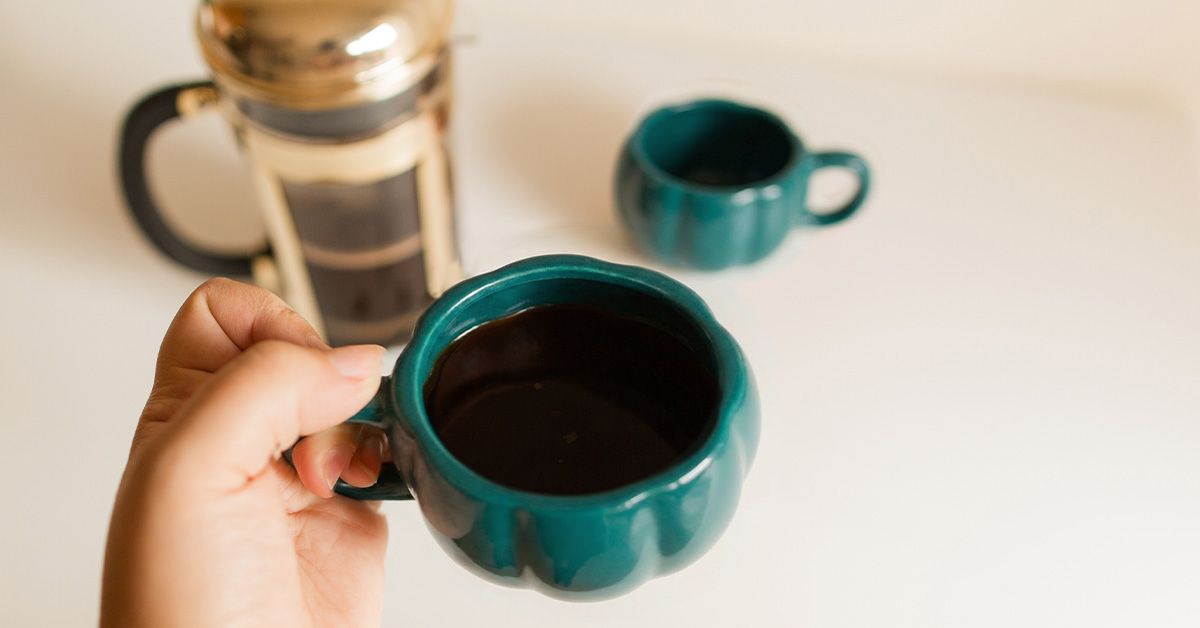
This is great news for people like me, who’ve recently been on my own health journey to decaffeinate a bit more each day. For me, that’s translated into drinking less regular black coffee, finding hacks to fill the pot halfway or to refill my mug, and even turning to decaf coffee or tea with hot water and a spritz of fresh lemon juice.
Recent clinical trials and long-term studies from 2025 and early 2026 have shifted the narrative. The question about coffee is no longer, “Is it safe?” but rather: “How much is optimal?“
That is what Healthline has found in the latest brew of coffee research analysis.
Heart of the research
For years, people with heart rhythm issues like atrial fibrillation (AFib) were told to steer clear of caffeine. But a cleverly-named DECAF clinical trial recently flipped that caffeinated cup upside down.
The study found that coffee drinkers actually had a 40% lower risk of AFib recurrence than those who avoided it entirely. Caffeine blocks adenosine, a chemical with multiple roles in the body that can also trigger these irregular rhythms. This effect may help explain the possible AFib-related benefits.
Black coffee for the win
Black coffee drinkers rejoice, too! Research shows that drinking 2 to 3 cups of black coffee daily is linked to a 14% lower overall mortality risk. The catch? The benefits disappear once you load it up with heavy creams and sugary syrups. It’s the antioxidants, like chlorogenic acids, that are doing the coffee health lifting here.
Blood sugar benefits
New analysis suggests that both caffeinated and decaf black coffee can lower the risk of type 2 diabetes by 20% to 30%. Because the benefits appear in decaf too, scientists believe it is all due to polyphenols, natural compounds that help regulate blood sugar and suppress inflammation.
Yes, even though that’s a T2D diabetes benefit specifically, it still brings a smile to my own lips as I live with type 1 diabetes (T1D). And so anything that suggests it’s blood-sugar-friendly is happy news for me.
Kim Kardashian has thoughts, too
Even celebrity Kim Kardashian is on this page, recently launching a new energy drink that contains a caffeine substitute called paraxanthine, a compound the body naturally produces when it breaks down caffeine. We just can’t escape the less-coffee message, even when juggling research that a couple cups a day aren’t too bad for you.
While science is giving black coffee the green light, my doctor has still advised me to cut back on how much coffee I drink each day and each week.
As I get older into my late 40s, this has a host of possible health implications. So I’ve been experimenting with different life hacks to cut back on coffee rather than depriving myself or giving it up cold turkey.
Half-pot only: I now fill my 10-cup coffee pot halfway, which is roughly 6 cups. It’s a visual cue that prevents mindless pouring and keeps my intake to a more moderate level.Pivot: Once the coffee’s gone, or even if I feel over-caffeinated, I switch to hot water with a simple splash of lemon juice.Every other day: Some weeks, I try to drink coffee only every other day, filling the gaps with herbal tea or decaf tea. It keeps my tolerance low so that when I do have that cup of regular black coffee, I actually feel the benefit.Tea, please: If I’m switching to tea, I’ll reuse the same bag at least once or just keep refilling my cup with hot water. It extends the flavor and keeps me hydrated while naturally tapering caffeine intake.
These are just a few hacks I’ve found. Another Healthline editor, Sarah, recently tried her own version of this, embracing a viral trend on delaying morning coffee. I may have to try this, too.
Delaying morning coffee
See how this Healthline editor’s trick of delaying her morning coffee transformed her daily habits, and what effects that had on her mental health and well-being.