




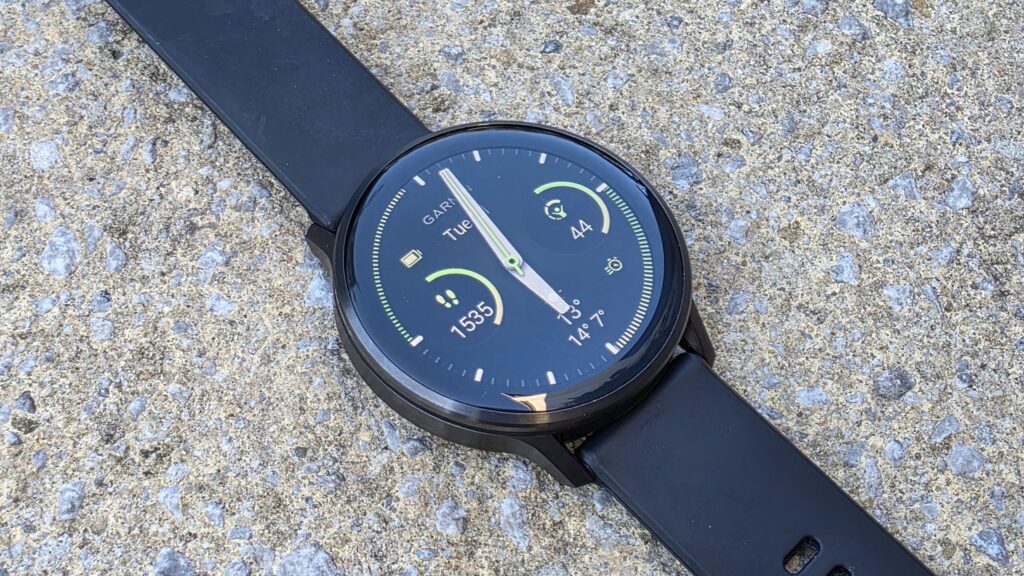
Garmin has never had much trouble making wearables for runners, hikers and cyclists. Its Forerunner and Fenix lines are the go-to choice for anyone who takes their training seriously. The trickier challenge has always been making something that appeals to people who also want a watch that doesn’t scream “fitness fanatic!” every time they glance at their wrist.
That’s where the Venu line comes in. It’s Garmin’s attempt at a lifestyle smartwatch, one that blends the brand’s deep fitness and health tracking with a design that sits more comfortably alongside an Apple Watch or Samsung Galaxy Watch.
Best picks for you
Garmin Venu 4 reviewPrice and availability
The Venu 4 is available to buy now from Garmin’s official web store in 41mm and 45mm sizes, priced from £469.99 in the UK. In the US, it’s $549.99, and Australian buyers are looking at AU$949. That’s a notable jump from the Venu 3, which launched at £399 / $449.99 / AU$749.
If you shop around, deals are already appearing. At the time of writing, Amazon had the 45mm model for around £380, which takes some of the sting out of the wallet-busting price.
For context, the Apple Watch Series 11 starts at £369, and the Samsung Galaxy Watch 8 starts at £319, both of which offer stronger smart features but far weaker battery life.
Within Garmin‘s own lineup, the similarly priced Forerunner 570 (459.99 / $549.99 / AU$999) is more sport-focused, while the older Venu 3 can now be found for considerably less and still shares a lot of the same DNA.
Specifications
(Image credit: Future)
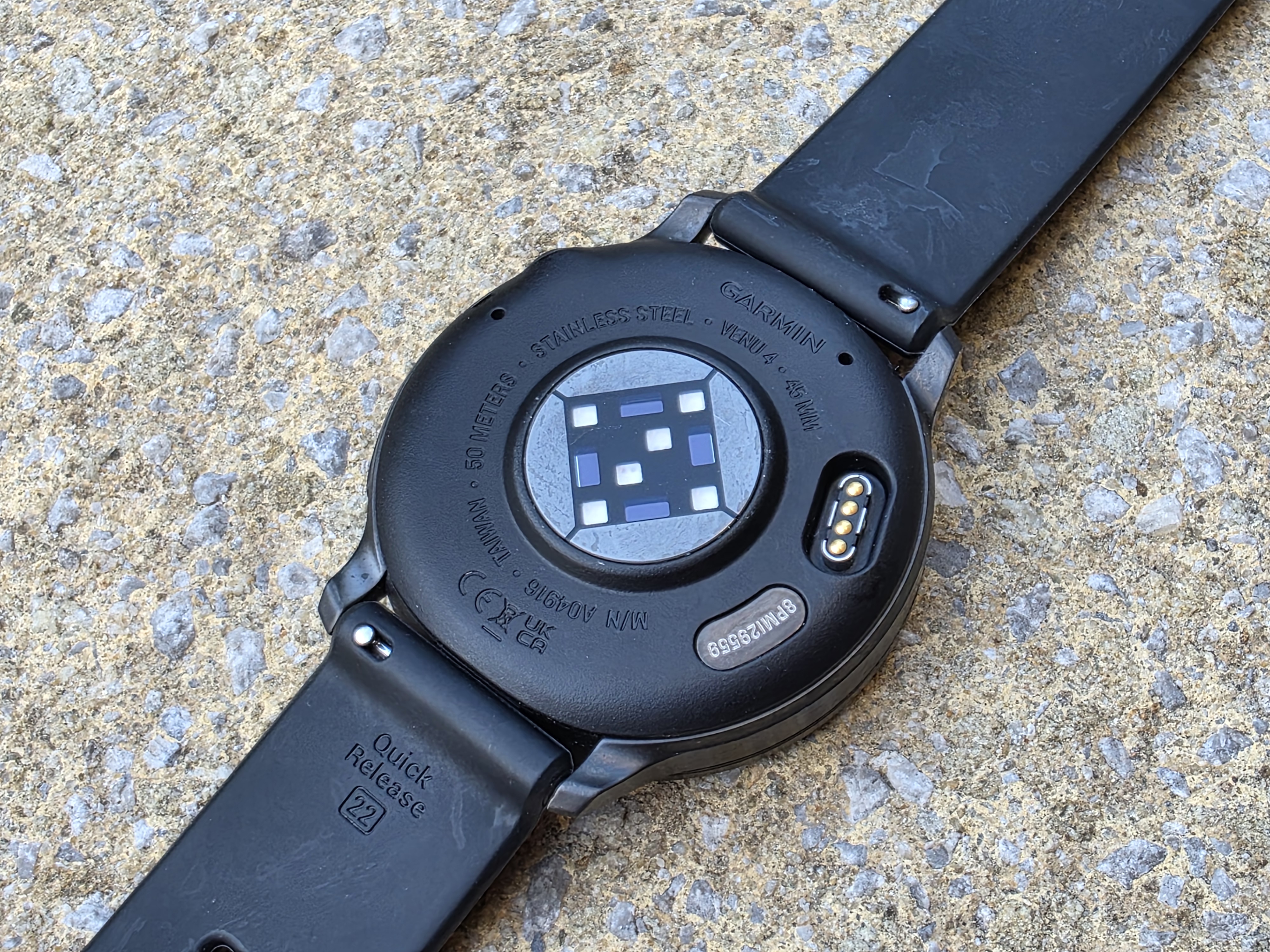
Screen: 1.4-inch AMOLED, 454 x 454, up to 2,000 nitsCase Material: Stainless steel with polymer backWater Resistance: 5ATM (50m)Battery Life: Up to 12 days (smartwatch mode)Sports Modes: 80+Smart Features: Notifications, Garmin Pay, offline music, voice assistant, callsPrice: £469.99 / $549.99 / AU$949Design and build quality
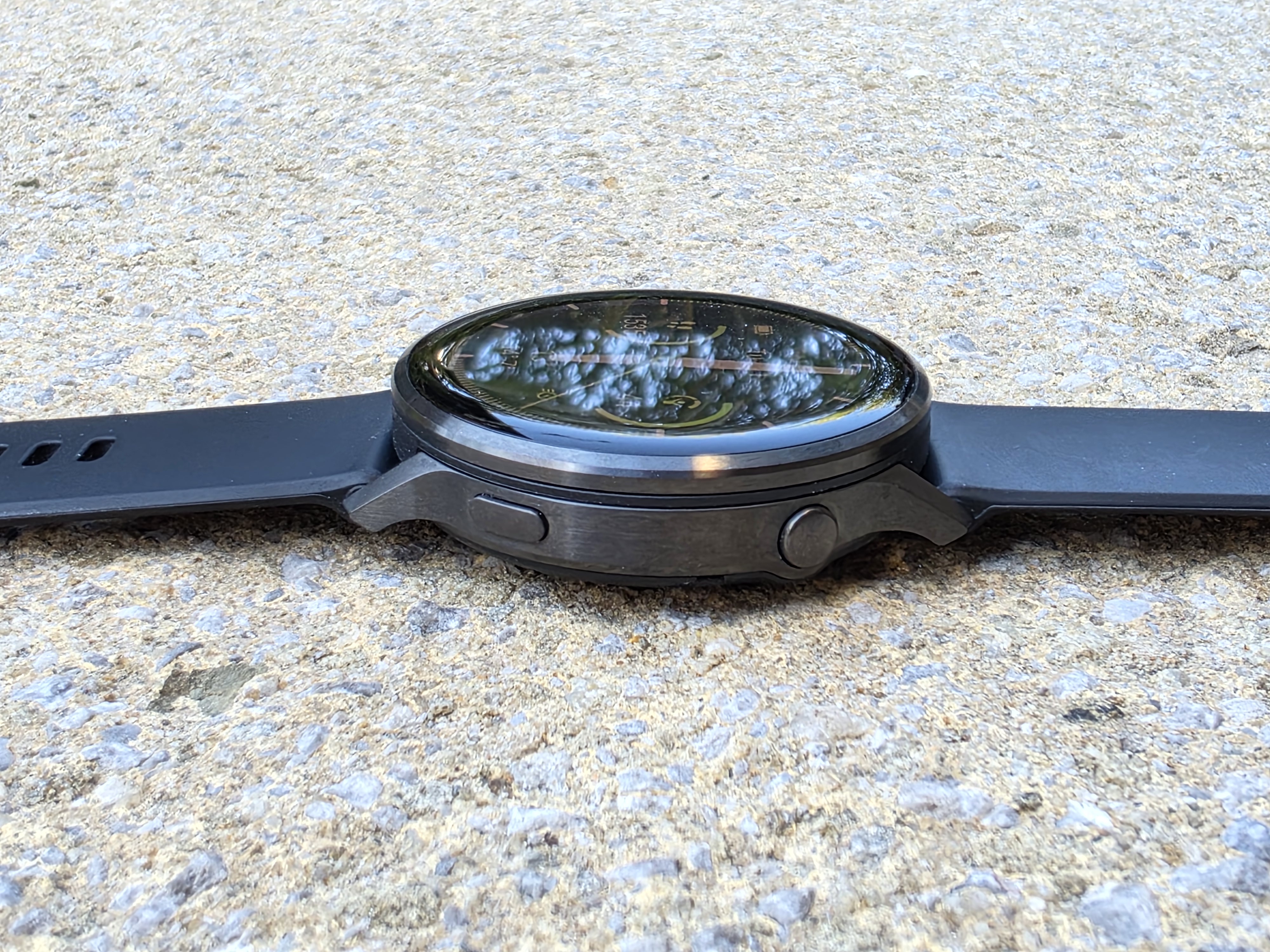
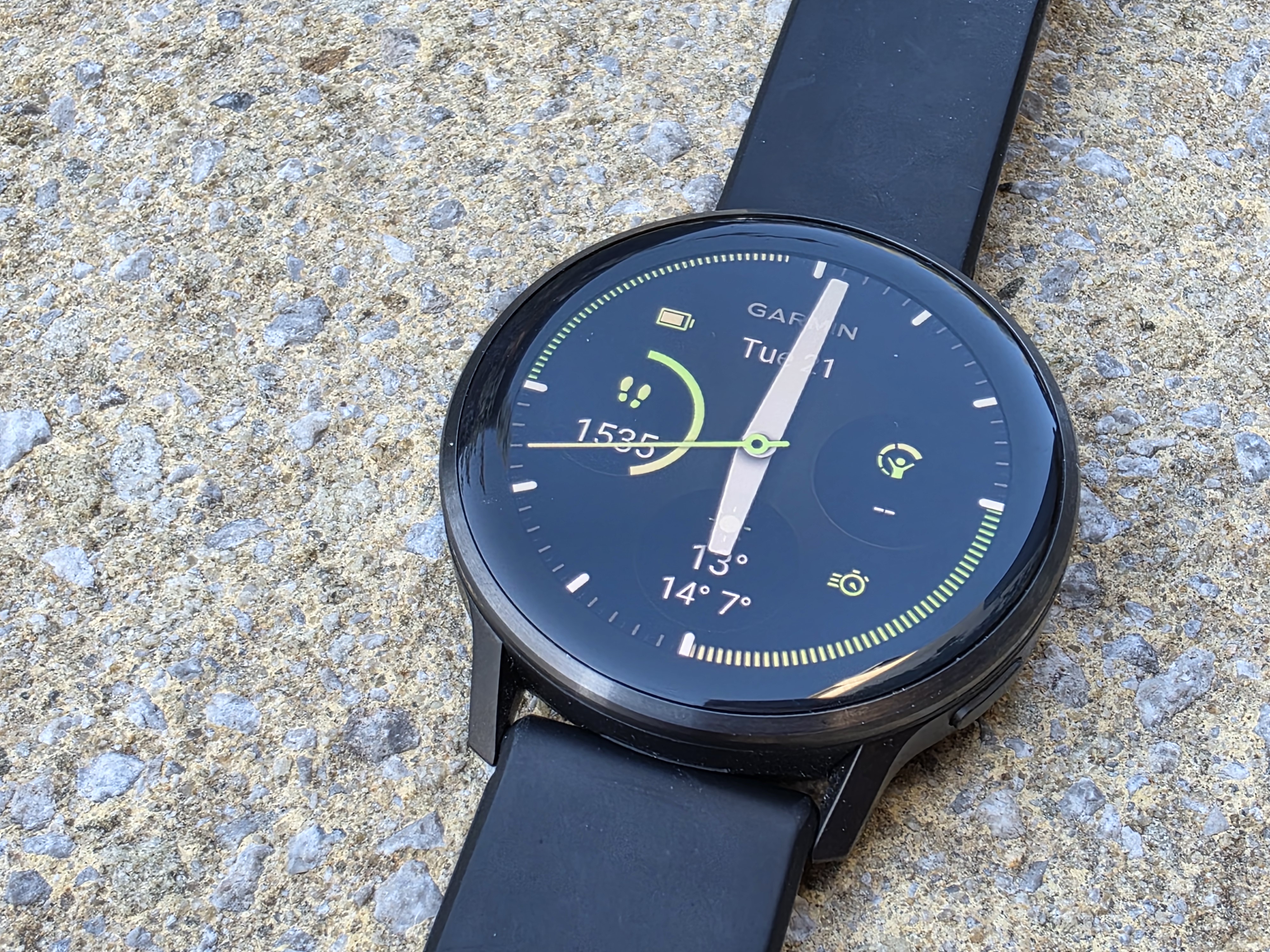
Design is where the Venu 4 makes its best impression. Garmin has moved from a largely plastic case to stainless steel for both the bezel and the body, and the difference is obvious from the get-go. It feels nice and premium on the wrist, closer to an everyday wearable than a triathlon watch, and the Slate colourway I tested is understated enough that it doesn’t look out of place with non-sporty attire.

(Image credit: Future)
My review model came with a brown leather strap option, which transformed the whole thing and ensured the watch doesn’t look out of place on less fitnessy days, like when worn with a shirt. Its minimal design means it passes as a regular watch.
Pop the silicone band back on for a run, and it’s right back to being a serious training tool again. It’s this versatility that the Venu line has been chasing for years, and, in my opinion, this fourth-gen model nails it.
Although it’s the 1.4-inch AMOLED display on the 45mm model that’s the standout feature. It’s bright, vibrant and sharp, with Garmin quoting up to 2,000 nits of peak brightness. In daily use, I had no trouble reading it outdoors in direct sunlight, and the always-on option looks the part if you’re happy sacrificing a few days of battery life.
(Image credit: Future)
One new addition I’ve come to appreciate on the Venu 4 is the built-in LED flashlight, which sits on the top edge of the case. It sounds like a gimmick until you find yourself trying to get into your door at night or fumbling for a light switch after a post-dusk run. Having this torch on your wrist feels like a really sensible feature by Garmin, since you’re less likely to have your phone’s torch to hand during these times.
Another thing I love about the Venu 4 is how comfortable it is. The watch sits nicely on the wrist, doesn’t feel too heavy despite the steel, and can be worn to bed without any complaints. The 5ATM water resistance covers swimming, showers and general weather, so you can basically leave it on all the time, apart from when you need to charge it, obviously.
My one main design grumble is that Garmin has dropped from three physical buttons to two, which means you’re more reliant on the touchscreen for navigation. That’s fine at a desk, but mid-workout with sweaty fingers, it can feel a bit fiddly. But I guess the bigger, more vibrant screen makes up for this somewhat.
Features and performance
If you’ve used a Garmin before, you’ll know the brand doesn’t mess about when it comes to fitness tracking, and the Venu 4 is no different. This is still, at its core, a seriously capable fitness and health tracker that happens to look more like a lifestyle smartwatch.
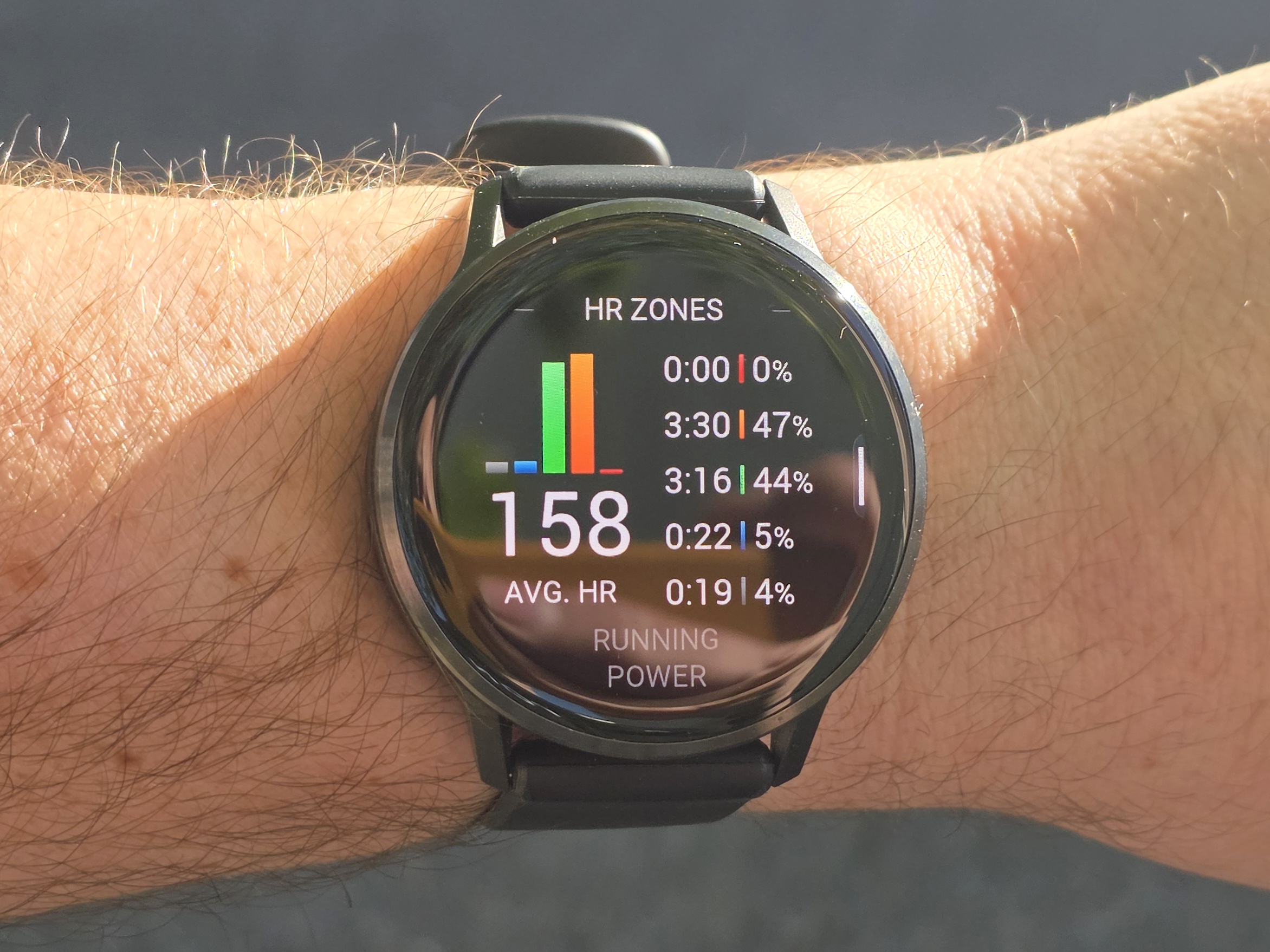
Dual-frequency GPS is the headline upgrade here, bringing the Venu 4 in line with Garmin’s running watches in terms of positioning accuracy. In my runs, it locked on within seconds and tracked routes reliably, even under tree cover where cheaper GPS setups tend to wobble.
(Image credit: Future)
Heart rate tracking from the Elevate V5 sensor was consistent and accurate during steady runs and gym sessions, with only minor drift during high-intensity intervals.
Garmin’s health and fitness ecosystem remains one of the most detailed on the market. You get Body Battery for energy monitoring, Training Readiness to tell you whether to push or rest, sleep tracking with the new sleep alignment metric, and over 80 built-in sport modes.
There’s also the new Health Status feature, which monitors heart rate, HRV, respiration, SpO2 and skin temperature during sleep, flagging when something seems off. It’s still tagged as beta, but it’s already useful enough to glance at each morning.
(Image credit: Future)
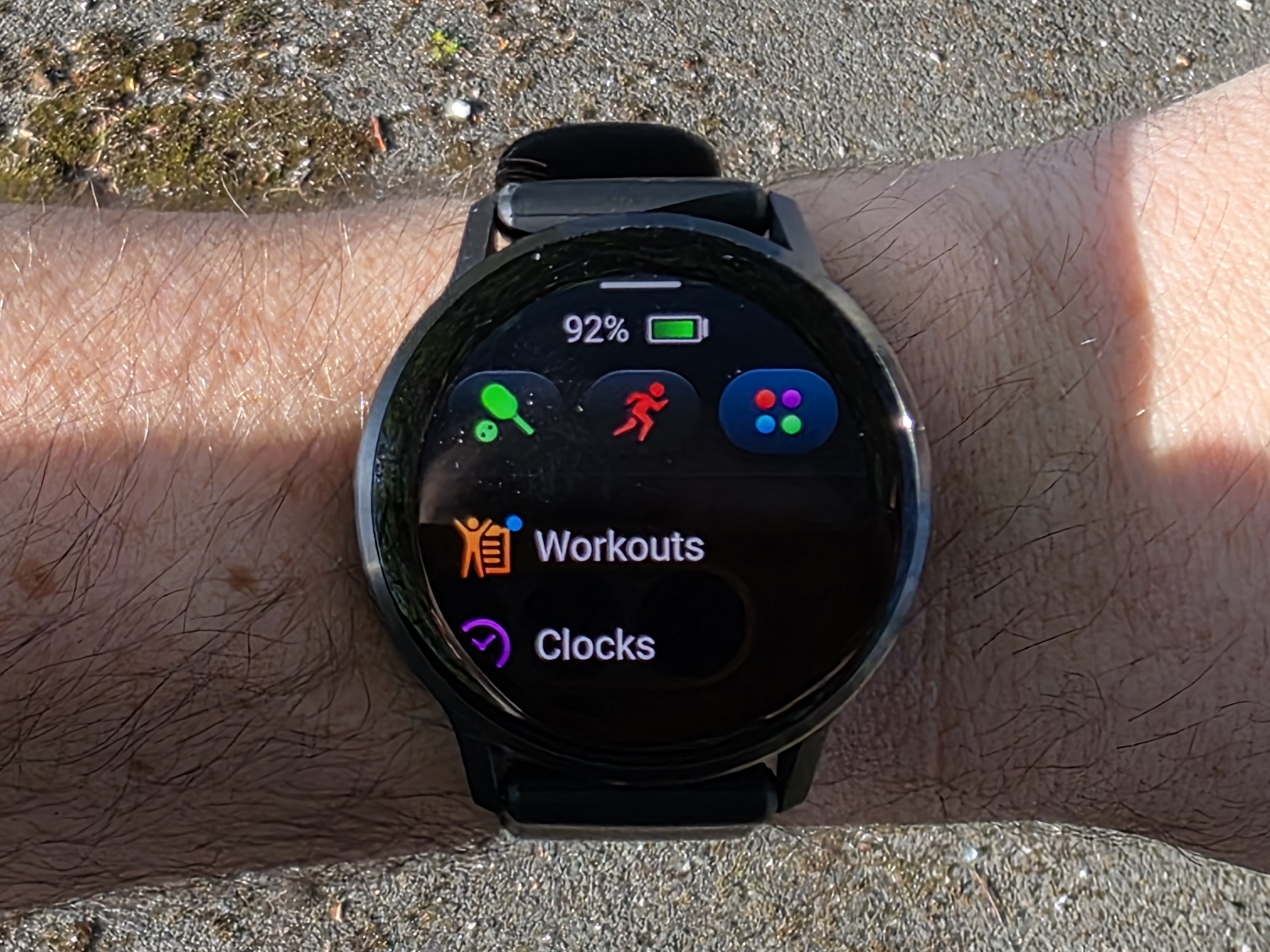
As a general day-to-day smartwatch, the Venu 4 is perfectly fine rather than exceptional. Notifications come through clearly; you can take calls on your wrist via the built-in speaker and mic; and there’s offline music support for Spotify and YouTube Music.
However, there’s no proper app store, so no LTE, and Garmin Pay bank support is still patchy in the UK. If you want a watch that can genuinely stand in for your phone, you’ll probably be better off with an Apple Watch Series 11 or Galaxy Watch 8 Classic instead.
Battery life, on the other hand, is where the Venu 4 is miles ahead. Garmin quotes up to 12 days in smartwatch mode, and in my experience, that’s realistic.
With a few workouts per week, the always-on display off, and regular notifications, I was getting about nine or so days between charges. Even with always-on display enabled, I managed about four to five days. For anyone coming from an Apple Watch, that will feel a bit insane, but in a good way.
One thing that still baffles me about the Venu 4 – and new Garmin watches in general – is that they still use the brand’s proprietary charging cable, which is a real pain in the socket when everything else in your life is juiced via USB-C.
It’s not a deal-breaker, but it is annoying and means packing yet another cable when you travel. Sigh.
Verdict
(Image credit: Future)
It’s fair to say that the Garmin Venu 4 is the most complete lifestyle smartwatch Garmin has ever made. The stainless steel build looks and feels genuinely premium, the display is superb, and the fitness and health tracking is among the best you’ll find on any wrist. What’s more, the battery life is in a completely different league to that found on competing Apple and Samsung devices.
Still, this watch is not without its compromises. Many of the smart features are still a step behind what you’d get from a proper smartwatch, the proprietary charger is a bit annoying, and the price jump from the Venu 3 is hard to swallow, especially when you can still pick up the older model for significantly less.
Regardless, if you want a watch that tracks your training properly, looks good enough for most occasions, and doesn’t need charging every other day, the Venu 4 is a very easy smartwatch to recommend. Just try and grab it while it’s on sale if you can.
Garmin Venu 4: Price Comparison