





 5 min read
Taking all your vitamins at once might seem like an easy way to ensure you’re staying on top of your wellness routine, right? While this might be a convenient approach, experts say this habit is actually dulling the efficacy of your supplements. Some nutrient combinations can interact in ways that reduce their absorption or effectiveness, and in some cases, may lead to side effects such as nausea, diarrhea, or constipation.
On the flip side, certain vitamins and minerals work synergistically, enhancing each other’s absorption and bioavailability. For example, vitamin D boosts calcium absorption, while vitamin C helps your body better utilize iron. To truly maximize the benefits of your supplements (and make the most of your investment), it’s essential to understand not only which combinations to avoid but also which ones to embrace.
Timing matters, too—especially when it comes to meals. “Some [supplements] are better absorbed with food, while others are best absorbed on an empty stomach,” says Amy Margulies, R.D.N., a registered dietitian nutritionist and owner of The Rebellius RD. “Other combinations can actually interfere with each other or with medications.”
GET MORE ANSWERS
In more extreme cases, long-term nutritional deficiencies and vitamin toxicity can occur as a result of improper supplement combinations or overuse, says Brynna Connor, M.D., a board-certified family medicine physician and the healthcare ambassador for Northwestpharmacy.com.
That doesn’t mean you need to be afraid of taking supplements, but being aware of the vitamin and mineral combinations to avoid can keep you protected from unwanted side effects and your wellness routines optimized.
Nutrient combinations to avoid
Keep these pairs top of mind when you’re gaming out your supplement protocol.
Iron and calcium
Calcium interferes with iron’s absorption in the gut. If your levels of both are low, you can still take calcium and iron, as long as you space them out safely.
What to do: Take iron at least two hours before or after calcium supplements.
Calcium is best absorbed when taken in smaller doses (500 milligrams or less) spread out during the day, says Lamees Hamdan, M.D., an integrative medical doctor. While calcium citrate can be taken with or without food, it’s best to take calcium carbonate with food, since it relies on stomach acid for optimal absorption.
Iron and zinc
Research shows iron and zinc actually compete for the same absorption pathways in your gut. “If you’re taking a high-dose iron supplement and zinc at the same time, especially on an empty stomach, there’s a good chance your body won’t absorb the zinc as well,” says Margulies.
What to do: For optimal absorption, it’s generally best to take iron on an empty stomach and to separate it from zinc. While there is no official recommendation for the ideal timing, waiting two hours between taking each supplement is a good general rule of thumb.
Copper and zinc
If you’re taking a zinc supplement, it’s important to know that high doses of zinc can reduce copper absorption, regardless of whether you are consuming it via supplements or food. This can lead to a potential copper deficiency over time. Eating copper-rich foods (such as shellfish, seeds, nuts, and organ meats) may balance out this effect, but it’s a good idea to stay on top of it and get your levels checked regularly.
What to do: If you do need to take both copper and zinc, try not to take them at the same time. Again, while there is no hard-and-fast rule about the ideal timing, generally, waiting two hours in between taking both is what experts recommend. Both are safe to take on an empty stomach. “You can take zinc in the morning before breakfast and copper before lunch or dinner, provided you have not consumed a meal or snack within at least a few hours,” says Margulies.
Vitamin B12 and Vitamin C
Because vitamin C creates an acidic environment in the stomach, some research shows large doses can potentially degrade vitamin B12 before it gets the chance to work. However, it is important to note that for most people, typical doses of vitamin C and B12 are unlikely to cause significant issues when taken together. While some data suggests this potential interaction, the evidence is limited and not conclusive. Nevertheless, it is a good nugget of information to keep in the back of your mind.
What to do: When in doubt, take them in alphabetical order, says Dr. Connor. Take vitamin B12 first and hold off on vitamin C for at least two hours. You can pair vitamin B12 with a light breakfast, but it’s also fine to take it on an empty stomach.
The best vitamin combinations
There are also plenty of complementary vitamins and minerals that support the benefits of each other. Prioritize meeting your nutritional needs through diet first, but if your doctor or dietitian suggests supplementation, here are some dynamic duos that you might consider:
Vitamin C + iron: Vitamin C enhances the absorption of iron, especially the kind found in plant-based sources such as beans and lentils. “This combo is a great one-two punch for preventing iron deficiency and keeping energy levels up,” says Margulies.Vitamin D + Vitamin K12: These vitamins work synergistically to optimize calcium delivery and support bone health, says Dr. Hamdan.Vitamin A + iron: Research shows this pairing is even more powerful together, especially for people dealing with anemia.What about multivitamins?
If certain vitamins and minerals inhibit each other’s absorption, you might wonder about the safety of multivitamin supplements that include, well, multiple vitamins in one convenient pill. “Multivitamins are specifically formulated with smaller, balanced doses that aren’t competing with each other,” explains Margulies. These lower doses are designed to minimize interactions between nutrients, such as calcium and magnesium or zinc and copper, which might otherwise compete for absorption when taken in higher amounts. This careful formulation ensures that the nutrients can coexist without significantly reducing their effectiveness or causing adverse effects.
However, the question of whether these smaller doses are effective depends on individual needs and dietary habits. For people with nutrient deficiencies or higher-than-average requirements due to health conditions, lifestyle, or age, the levels in a multivitamin may not be sufficient to meet their needs. In such cases, targeted supplementation of specific vitamins or minerals might be necessary. On the other hand, for individuals with a generally balanced diet, multivitamins can act as a safety net, filling in minor gaps without the risk of overloading the body with excessive amounts of any one nutrient. Ultimately, the effectiveness of multivitamins depends on how well they complement an individual’s overall nutrient intake.
Our Favorite Multivitamins for Women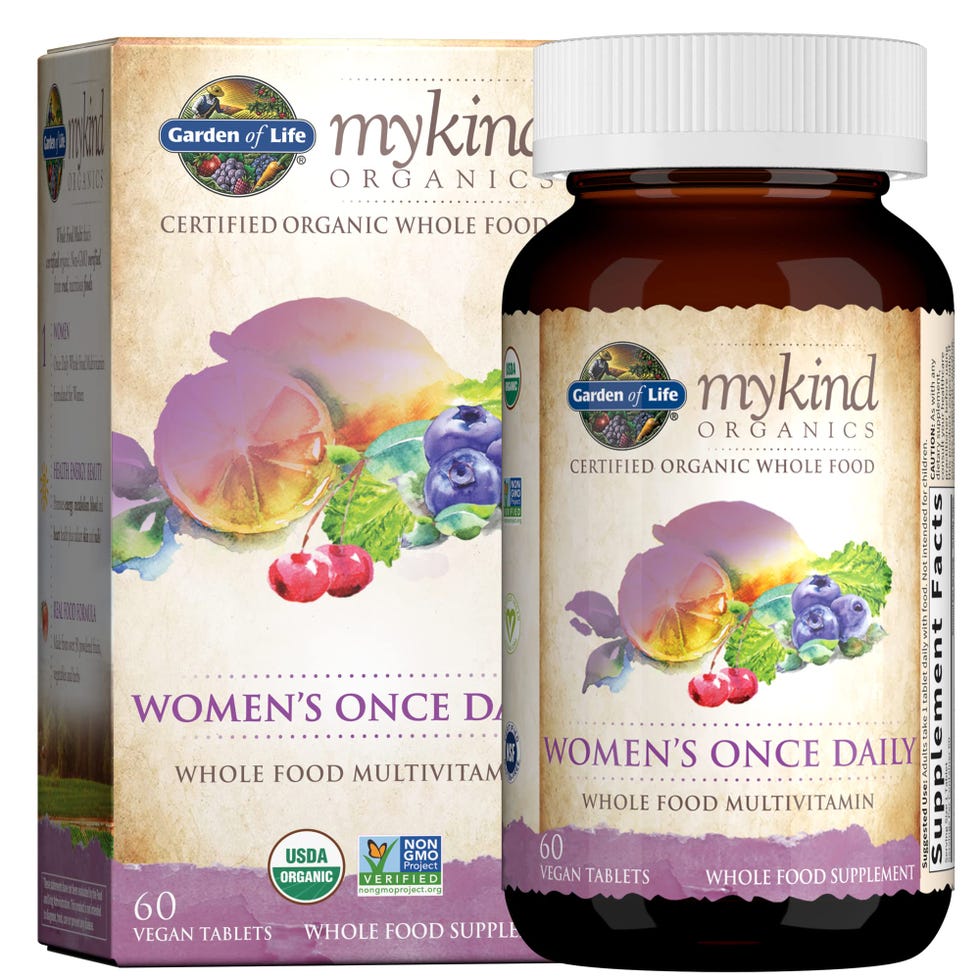 Garden of Life Organics Multivitamin for Women
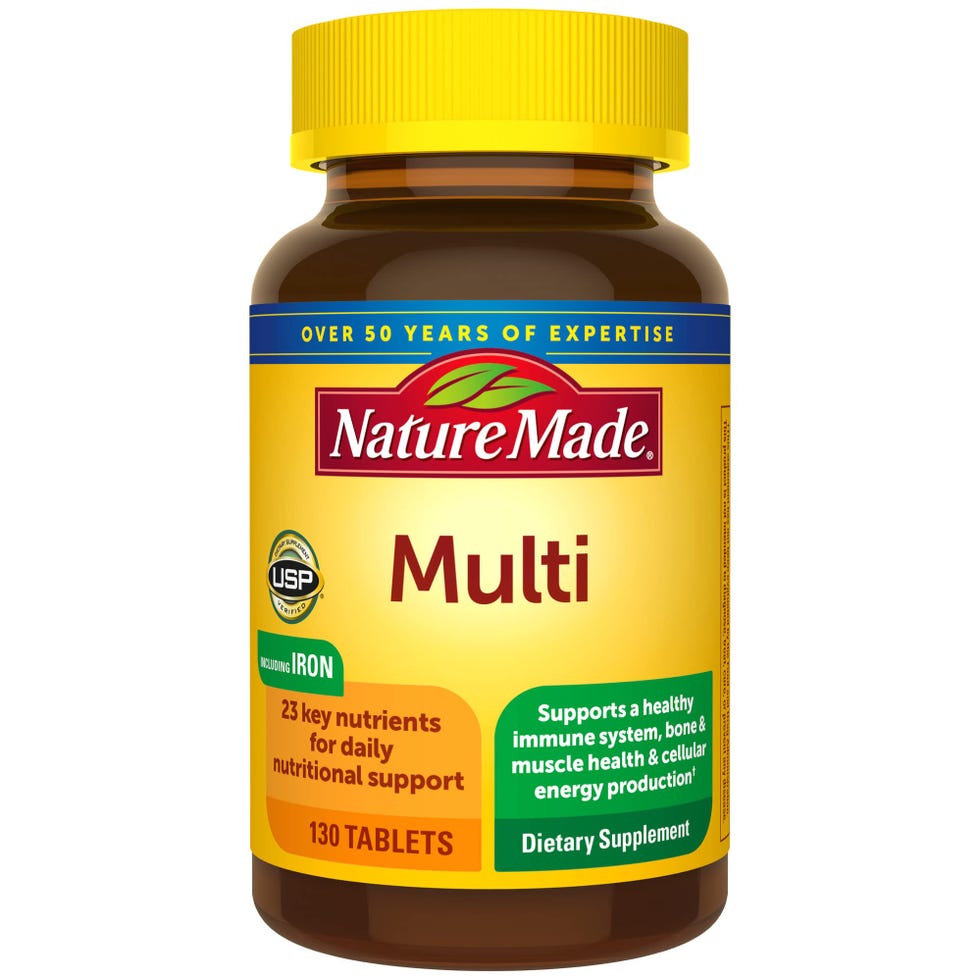 Nature Made Multivitamin Tablets
  Ritual Essential for Women Multivitamin
Now 17% Off
The bottom line on pairing vitamins
Before starting any new supplement, always consult with your healthcare provider. It’s the safest way to avoid potential contraindications with your current medications, especially blood pressure meds, thyroid meds, and anticoagulants, says Dr. Connor. “It’s always best to stick to a routine when it comes to taking your vitamins and minerals,” she says. “Once you know how to space them out safely, taking them at the same time each day can improve absorption and consistency.”

Laura Iu, R.D., is a registered dietitian nutritionist, certified intuitive eating counselor, yoga guide, and owner of Laura Iu Nutrition, a private practice in New York City. She earned her Bachelor of Science in Nutrition and Dietetics from New York University and completed her internship in dietetics at Weill Cornell & Columbia Medical Center of New York-Presbyterian Hospital. She went on to work in New York City’s top hospitals, including Mount Sinai Hospital and NYU Langone Health. She believes that true health is all encompassing — physical, emotional, and mental wellbeing — not an external measure via shape or size.