



Driven by the premise that ‘your genes don’t have to be your destiny’, clinician-scientist, endocrinologist and renowned longevity expert Dr Florence Comite has helped her patients reverse symptoms of biological ageing long before it became a wellness buzzword. Her new book Invincible: Defy Your Genetic Destiny and Live Better, Longer, breaks down her approach, informed by years of world-leading research. Having founded Women’s Health at Yale – the US’ first clinic for women only – in 1992, Dr Comite knows a thing or two about what actually works for women who want to live better, longer. The best news? ‘It’s never too late.’
‘Small changes compound over time, like the money we put in retirement,’ Dr Comite tells Women’s Health. ‘If we can put a little bit in every month, by the time we’re ready to use it, it’s compounded multiple times and we have a lot more money than we expected.’
‘When I first started this in the 90s, I thought the order of importance was: exercise, food, sleep,’ says Dr Comite. ‘But I flipped it – it’s actually: sleep, food, exercise.’
They are all important (and linked), she adds, but typically, midlife women should address their habits in this order.
Sleep
‘Sleep, to me, is now the most important aspect of preserving our health, and the quality is even more important than the quantity,’ says Dr Comite. A wealth of research shows ‘that women and men who don’t sleep [well] have much higher incidence of disease and die younger’.
So much good stuff happens when you’re asleep, she adds. ‘There’s a system in our brain called the glymphatics that literally washes away metabolic waste,’ she explains. ‘We also release hormones like leptin [which regulates long-term energy balance, appetite and body weight] and ghrelin [which signals hunger to the brain], and when you don’t have enough sleep, ghrelin dominates and you crave carbs.’
The hard truth? You need at least six hours a night, says Dr Comite. ‘Six to eight, but some people need up to 10.’
In recent years, the golden sleep rule has been: go to bed and wake up at exactly the same time every day – touted as more important than the number of hours banked. What does Dr Comite think about that? Routines are good, she agrees, but so is being flexible when life inevitably gets in the way. And, she adds, genetically, some people can actually make up sleep, so would benefit from a longer weekend lie-in after a stressful week.
For patients struggling with sleep, Dr Comite’s first point of call is to explore what they’re doing during the day and night. ‘For example, sometimes exercise or caffeine will wake you up if you do it too late in the day,’ she says. ‘Wine at dinner can cause your blood sugar [which tends to be more unstable in midlife] to go up and then drop in the middle of the night, waking you up.’ And while fasting an hour or two before bed is generally best for your metabolism and hormones, if you get really hungry, a protein-rich snack about an hour before bed can help sustain you through the night.
 Filmstax//Getty Images
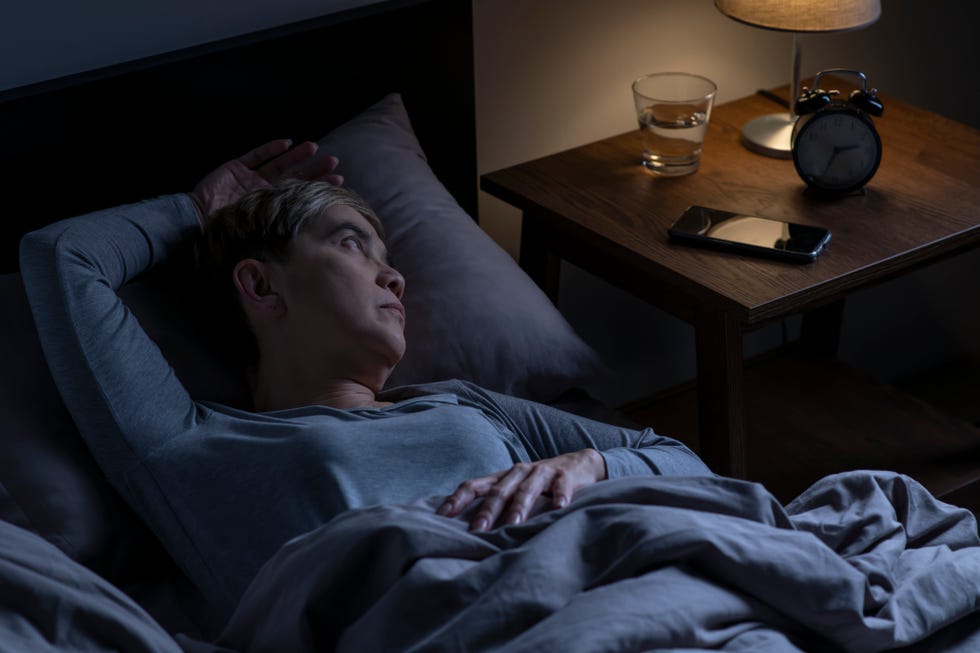
Poor sleep in midlife warrants proper investigation
Poor sleep is a common problem for (peri)menopausal and post-menopausal women as ‘they have a hard time either falling asleep or staying asleep’. The latter – often most overwhelming – can be prompted by a drop in progesterone, which is ‘a very important neurotransmitter for the brain’, explains Dr Comite. For many women, specific, targeted supplements and/or prescription medication can be transformative, and it’s important, she adds, that poor sleep is viewed as treatable and modifiable – not something to just accept at this life stage.
Related StoryNutrition
When it comes to nutrition, says Dr Comite, the protein hype is warranted – and one gram per kilogram of bodyweight a day is non-negotiable. ‘And if you’re pretty good and religious about working out, you want to have up to two grams.’ That’s because protein – combined with resistance training (more on that below) – is fundamental for maintaining and building muscle, which naturally declines with age. Via a process called Muscle Protein Synthesis, protein provides the essential amino acids needed to repair the microtears in your muscles caused by exercise.
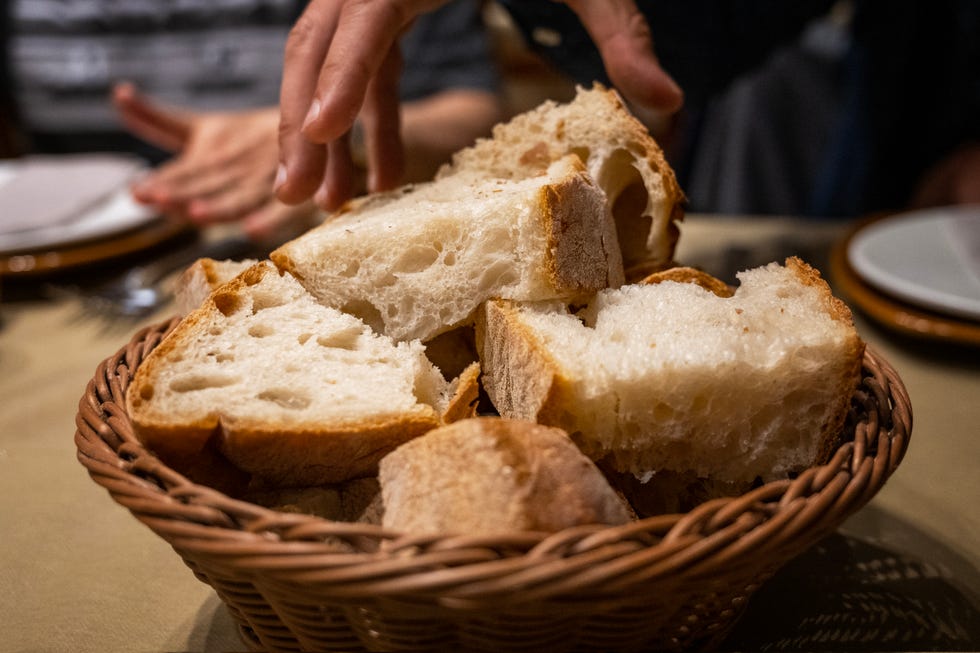
Meal structure is also important. ‘Whenever you eat, always start with protein, then fibre and fat,’ says Dr Comite. That ever-tempting bread basket? ‘Take it off the table, unless you’re someone who can contain yourself until the meal comes – it sends your sugar soaring immediately because you absorb it very quickly, and then it falls dramatically,’ she explains. ‘Then, there’s a delay in the release of insulin and you become irritable or cranky or tired because you don’t have sugar left on board.’
 Carmen Martínez Torrón//Getty Images
Resist the bread basket until you’ve had some protein
‘If you start with protein, the release of sugar is slower because it [protein] slows down absorption. It’s more like a mound as opposed to a sharp peak, and you’re less likely to develop insulin resistance [a metabolic condition which can lead to high blood sugar, weight gain, fatigue and Type 2 diabetes].’
Dr Comite’s favourite starter? A handful of nuts. Specifically, walnuts, which are ‘king’ thanks to their high omega-3 content – key for heart, brain and eye health. If you can, it’s also a good idea to take a short walk after dinner, she adds, which can support digestion, blood sugar control, sleep and more.
Related StoryExercise
‘Years ago, when I started Women’s Health [at Yale], I had a prescription pad that had exercise on it, and I would spell out what a woman should do,’ says Dr Comite. ‘That’s how important it is.’
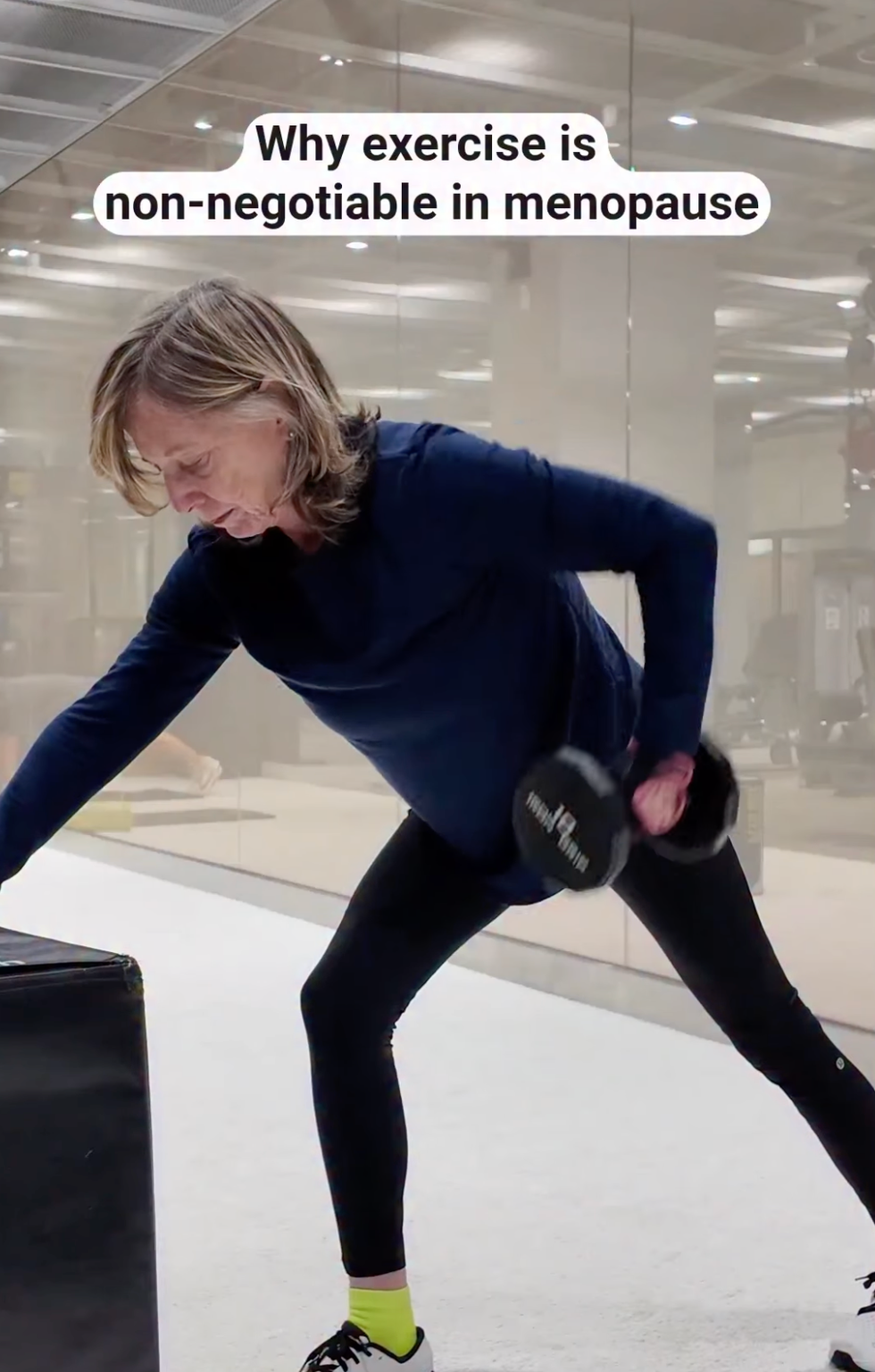
Beginning with perhaps the most important piece of the midlife fitness puzzle: strength. ‘As you hit your 30s, testosterone starts falling, and if you’ve never done weights or resistance, adding that two to three times a week is going to make a huge difference to your ability to put on muscle and maintain it,’ says Dr Comite, adding that because we store glucose in our muscles, it also improves metabolism.
 Instagram / @drflorencecomite
Strength training is vital – but you can start small
But starting small is key, she adds. For example, frequently sitting and standing to build functional strength, particularly in your quads. ‘Another great exercise is farmer’s carry because it works out your grip, posture and back.’ You could do this with shopping bags or cartons/bottles at home. ‘When you start putting stress on muscles, a very little bit can go a long way.’
Related Story
From an aerobic perspective, women should be moving for at least 30 minutes a day – more if possible, says Dr Comite. ‘I don’t believe trotting on a treadmill for an hour at the same rate all the time – your body will adjust to it,’ she adds. ‘It won’t make a difference – mixing it up is good.’
Whatever type of cardio you enjoy – running, power walking, rowing, cycling – it should feature regularly, along with some high-intensity interval training. ‘Sprinting puts a demand on the heart that it needs to function when it’s under stress,’ says Dr Comite. Again, she advises starting small. ‘Let’s say you’re on a brisk walk and there’s an open space in front of you, or you’re walking your dog – take a brief run for 30 seconds or a minute,’ she says. ‘That’s good power for your heart.’
‘If there’s one thing I would urge women of all ages – but especially when starting younger – is to do activities because that really makes a difference later in life,’ notes Dr Comite. Indeed, an often-cited Danish study found that those who played tennis had life expectancy gains of almost a decade compared with non-exercisers.
The key is finding movement that you enjoy because you’re a heck of a lot more likely to keep at it in the long run.
Related Stories
Hannah Bradfield is a Senior Health and Fitness Writer for Women’s Health UK. An NCTJ-accredited journalist, Hannah graduated from Loughborough University with a BA in English and Sport Science and an MA in Media and Cultural Analysis. She has been covering sports, health and fitness for the last five years and has created content for outlets including BBC Sport, BBC Sounds, Runner’s World and Stylist. She especially enjoys interviewing those working within the community to improve access to sport, exercise and wellness. Hannah is a 2024 John Schofield Trust Fellow and was also named a 2022 Rising Star in Journalism by The Printing Charity. A keen runner, Hannah was firmly a sprinter growing up (also dabbling in long jump) but has since transitioned to longer-distance running. While 10K is her favoured race distance, she loves running or volunteering at parkrun every Saturday, followed, of course, by pastries. She’s always looking for fun new runs and races to do and brunch spots to try.