




4 min readNew DelhiMay 5, 2026 07:00 PM IST
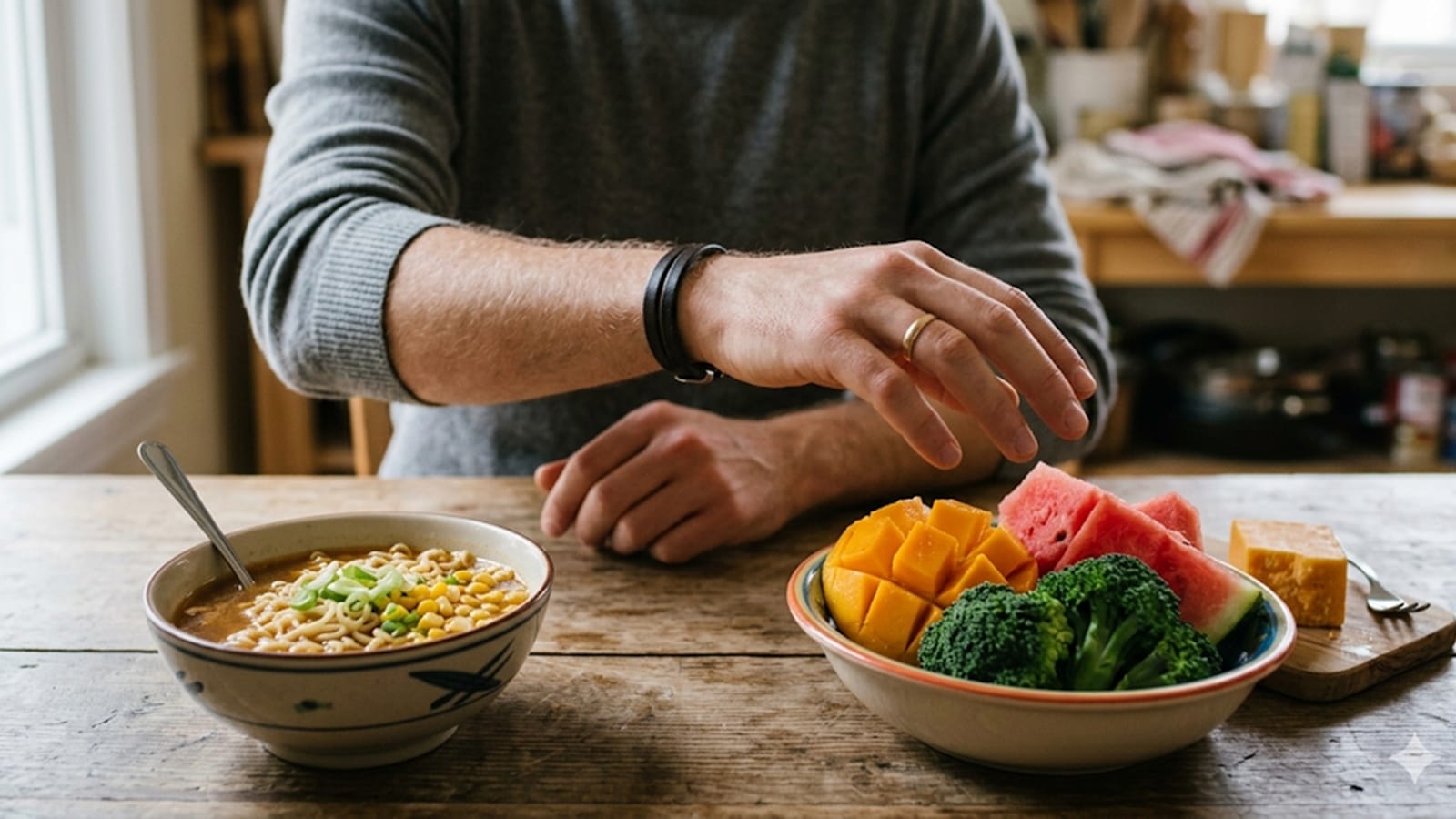
Making healthier food choices often comes down to everyday decisions rather than occasional indulgences. Recently, Dr Manan Vora, a Mumbai-based orthopaedic surgeon, shared his take on five commonly consumed foods, rating them out of 10 for suitability for regular consumption in an Instagram post.
One of his most striking observations was about ramen, which he rated 0/10, calling it an unhealthy option due to its highly processed nature, high sodium content, and lack of fibre and micronutrients. In contrast, he highlighted the benefits of seasonal fruits. Speaking about mango, he said, “7.5/10. It is dense in vitamin A, vitamin C, fibre and polyphenols. (Mangoes are) good for immunity, skin and digestion.” However, he also cautioned that mangoes are high in natural sugar, making portion control important, especially for those managing blood sugar levels.

DISCLAIMER: This article is based on information from the public domain and/or the experts we spoke to. Always consult your health practitioner before starting any routine.
Watermelon ranked slightly higher at 8/10, with Dr Vora noting, “(Watermelon is a) hydrating fruit that contains 90 per cent water. (It is) an excellent source of vitamin C, vitamin A, betacarotene, and lycopene. These support heart health and reduce oxidative stress. Best enjoyed fresh and in season.” He also emphasised the nutritional value of vegetables like broccoli, rating them 9/10, stating, “It is rich in vitamin C, vitamin K, fibre, folate and sulphoraphane, a compound that is linked to anti-inflammatory and potentially anti-cancer benefits.” Even foods like Parmesan cheese, often seen as indulgent, were given a relatively high score of 8/10 for their calcium, protein, and vitamin K2 content, which support bone health.
To understand how you can make better choices, we spoke with an expert.
How should individuals evaluate whether a food is truly healthy for regular consumption?
Ashlesha Joshi, fitness dietician and nutritionist at Tone 30 Pilates, tells indianexpress.com, “A food’s health value should be judged by its overall nutrient density and frequency of consumption, not by a single positive or negative attribute.”
She adds that a truly healthy option delivers essential nutrients such as fibre, protein, vitamins, and healthy fats without excessive amounts of added sugar, sodium, or unhealthy fats. “It is also important to look at how the food fits into the broader dietary pattern. Foods high in sugar or sodium may still have some benefits, but they are not ideal for regular intake and are better treated as occasional additions rather than staples,” notes Joshi.
Are foods like instant noodles or highly processed meals always harmful?
Foods like instant noodles are not inherently harmful when consumed occasionally, Joshi says, but they are not designed for nutritional adequacy. They are typically high in sodium, refined carbohydrates, and additives while being low in fibre and protein.
Story continues below this ad
“Having them once in a while is unlikely to cause harm in an otherwise balanced diet. The concern arises when they become a frequent replacement for whole, nutrient-rich meals, as this can gradually impact metabolic health and nutrient intake,” mentions the expert.
How can people strike the right balance between nutrient-dense foods and portion control?
Balance comes from both food quality and quantity, reveals Joshi. Nutrient-dense foods like fruits are beneficial, but portion awareness is still important, especially for calorie-dense options.
“For instance, whole fruits are preferable to juices because of their fibre content, but consuming them in excessive quantities can still contribute to high sugar intake. The ideal approach is to include a variety of foods in moderate portions, ensuring that meals are balanced with proteins, healthy fats, and fibre to support sustained energy and metabolic stability,” concludes Joshi.
DISCLAIMER: This article is based on information from the public domain and/or the experts we spoke to. Always consult your health practitioner before starting any routine.