



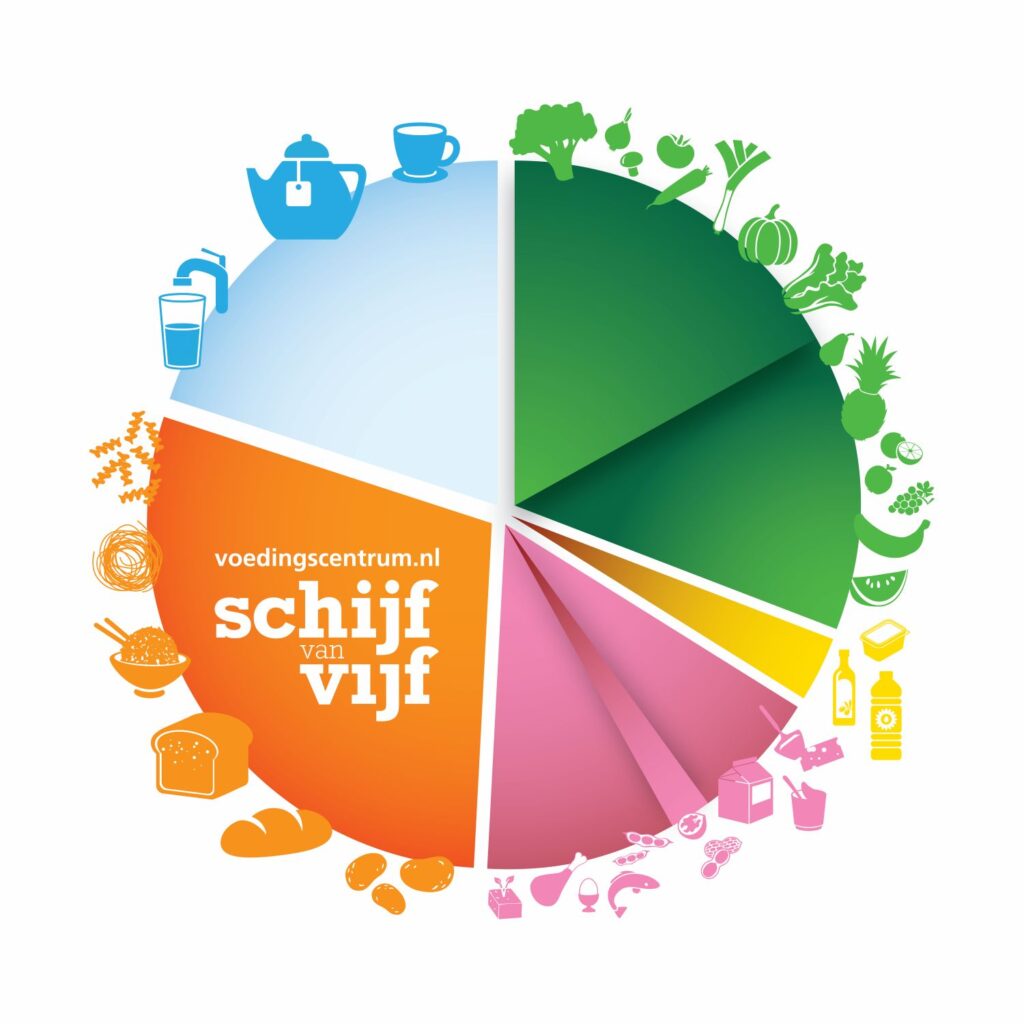
The Netherlands Nutrition Centre has released an updated version of the Schijf van Vijf, the country’s national food guide, placing greater emphasis on plant-based foods and cutting recommended quantities of meat and cheese for the first time in years.
Legumes up, meat and cheese down
The revised guidelines, developed alongside the National Institute for Public Health and the Environment (RIVM), set new quantity targets for adults aged 18 to 50. Recommended legume consumption increases to 250 g per week, up from a previous range of 120 to 180 g. Meat intake is capped at 300 g per week, down from 500 g, with red meat limited to 100 g and processed meat kept to a minimum. The daily cheese recommendation drops from 40 g to 20 g, and the guidance now advises alternating between dairy and fortified plant-based alternatives.
“Health, sustainability, and food safety are inextricably linked”
The underlying methodology considered nutritional requirements alongside environmental metrics, including greenhouse gas emissions and water use, as well as exposure to contaminants such as PFAS and heavy metals. The food system accounts for around 30% of global greenhouse gas emissions and is a primary driver of biodiversity loss, factors that informed the recalibration of the guidelines.
Petra Verhoef, Director of the Netherlands Nutrition Centre, said, “Health, sustainability, and food safety are inextricably linked. All calculated dietary patterns are as healthy as possible, have a low environmental impact, and take safe limits into account. In this way, we take good care not only of ourselves, but also of the world around us and of future generations.”
 © The Netherlands Nutrition Centre
Bridging science and consumer behaviour
The updated guide retains the five familiar food sections that have defined the Schijf van Vijf since 1953, with vegetables, fruit, whole grains, and legumes remaining central. The Centre acknowledges that actual eating habits often diverge significantly from national recommendations.
“Everyone eats differently. What we like, our habits, culture, but also the unhealthy environment play a major role in this. We know there is a difference between theory and practice. Our task is to bridge that gap, without disregarding what science shows,” noted Liesbeth Velema, a behavioural expert at the Centre.
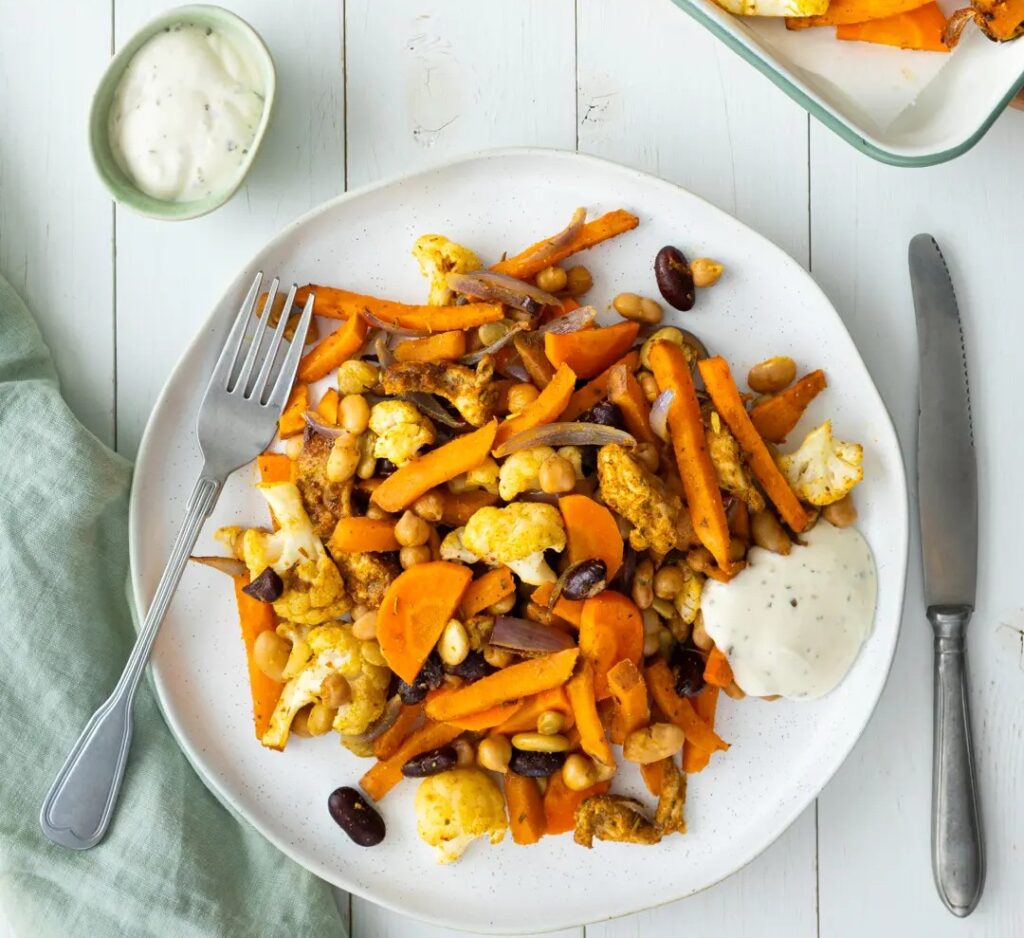
To support individual uptake, the Centre offers the Schijf van Vijf voor jou tool, which generates personalised eating advice based on age, sex, and dietary pattern, including vegetarian and fully plant-based options.
 © The Netherlands Nutrition Centre
Part of a wider policy shift
The updated food guide arrives at a notable moment for Dutch food policy. Amsterdam’s ban on meat advertising in public spaces took effect on May 1st, 2026, part of the city’s target to shift to 50% plant-based diets by 2050. The national guidelines and local policy interventions are moving in the same direction, though through different mechanisms.
The Centre is also clear that individual guidance has limits. Verhoef noted that governments, producers, and providers bear significant responsibility for making healthy and sustainable options more accessible and affordable to the wider population.