




New York Post may be compensated and/or receive an affiliate commission if you click or buy through our links. Featured pricing is subject to change.
We’re smack in the middle of a modern rat race: trying to live longer and healthier lives.
Over the past few years, the longevity supplement market has expanded in nearly every direction. From peptide injections to NAD boosters and a growing array of pills and powders promising anti-aging effects, it’s become more difficult to separate science-backed interventions from tactful marketing.
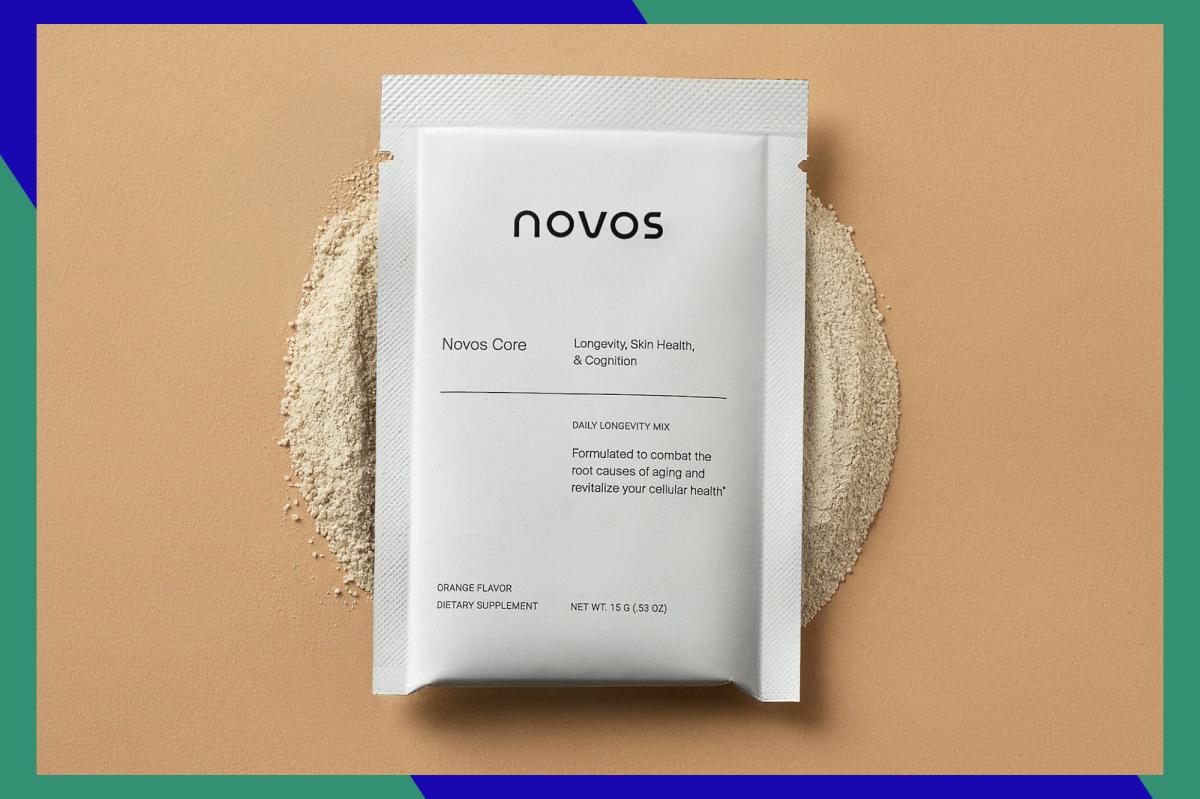
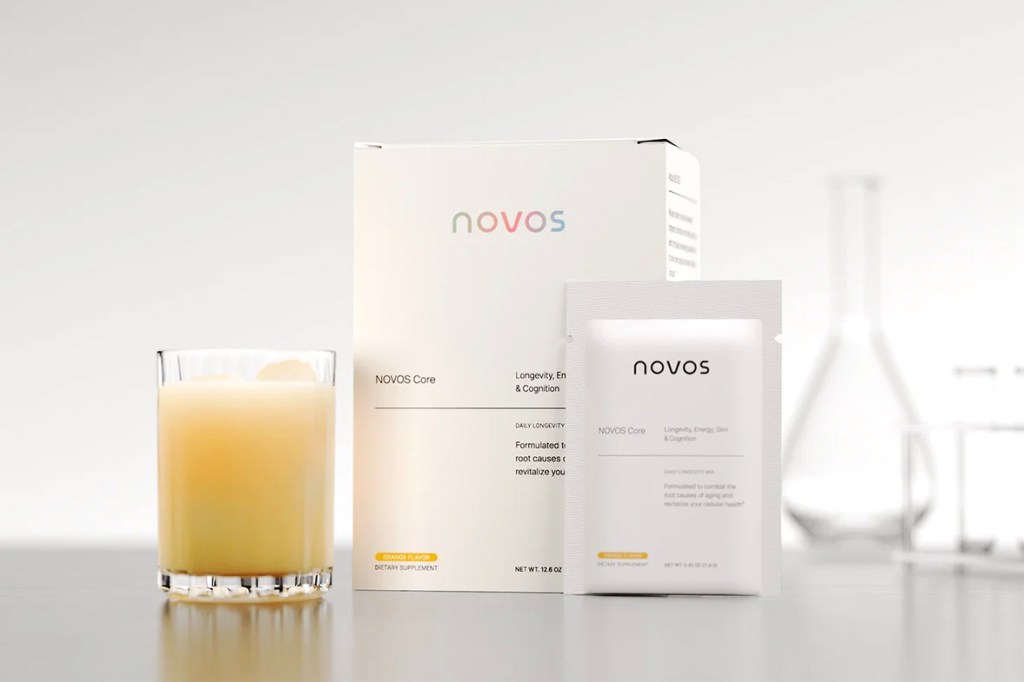
One brand that has been trying to bring more science to space is NOVOS. The biotechnology company’s Core Clinical formula targets all 12 hallmarks of aging with a blend of naturally occurring compounds like Ca-AKG, glucosamine sulfate, magnesium malate, L-theanine and hyaluronic acid — which are said to support everything from mitochondrial energy and ATP production to sleep and recovery.
In a preclinical study, mice given NOVOS Core Clinical lived 18% longer on average. While animal models don’t directly translate to human outcomes, the findings were impressive enough to elicit further research. More recently, NOVOS Core Clinical has also been evaluated in a randomized, placebo-controlled human clinical trial through the University of Surrey.
The study tracked 61 adults aged over 40 without diagnosed cardiovascular disease, comparing the Novos supplement to a placebo over six months. Researchers found that those taking Novos experienced measurable improvements across multiple validated markers of vascular aging.
 NOVOS
NOVOS
According to NOVOS, the Core Clinical formula resulted in more than 3.4% improvement in endothelial function.
Those taking NOVOS saw significantly better arterial flexibility, with a −1.18 m/s improvement compared to those taking the placebo after six months. Those improvements are even more notable when considering the usual age-related trend of arteries becoming stiffer over time.
Systolic blood pressure was also lower in the supplement group, countering the gradual increase typically observed with aging. There was a difference of −6.1 mmHg between the Novos and placebo groups.
Researchers also saw nearly a 3% boost in endothelial function, a key measure of how well blood vessels work. That level of improvement is typically associated with regular high-intensity exercise. In this case, the variable that was altered between groups was not physical activity, but use of NOVOS.
“These findings suggest that targeting multiple biological mechanisms involved in vascular aging may be an effective strategy for supporting vascular function earlier in life, before disease develops,” explained Professor Christian Heiss, MD, Senior Author, Professor of Cardiovascular Medicine, University of Surrey.
The researcher also noted these improvements happened without changes in lipid levels, suggesting that blood vessel function can be improved independently as a separate, modifiable part of aging.
“The magnitude and consistency of these effects across multiple vascular endpoints is unusual for a nutritional intervention in a healthy population,” he added.
The results come from a randomized, double-blind, placebo-controlled human study, and individual outcomes may vary. As with any supplement, it’s important to consult your physician before use.
This article was written by Miska Salemann, New York Post Commerce Writer/Reporter. As a health-forward member of Gen Z, Miska seeks out experts to weigh in on the benefits, safety and designs of both trending and tried-and-true fitness equipment, workout clothing, dietary supplements and more. Taking matters into her own hands, Miska intrepidly tests wellness products, ranging from Bryan Johnson’s Blueprint Longevity Mix to the viral Oura Ring to Jennifer Aniston’s favorite workout platform – often with her adorable toddler by her side. Before joining The Post, Miska covered lifestyle and consumer topics for the U.S. Sun and The Cannon Beach Gazette.