




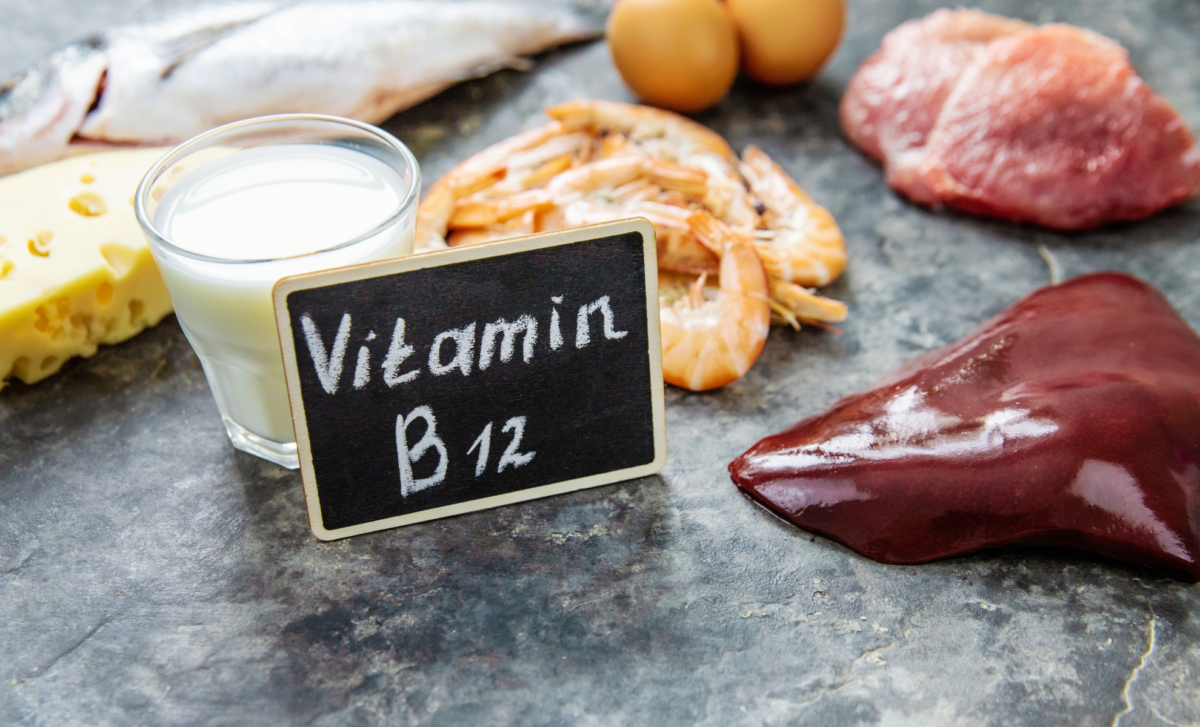
A new scientific breakthrough could transform the way we address vitamin B12 deficiency globally. Researchers have unveiled that a specially grown form of Spirulina can now produce biologically active vitamin B12, a nutrient essential for human health. Published in Discover Food, this study marks a significant step forward in sustainable nutrition, potentially offering a cleaner, greener alternative to animal-based sources of B12.
A New Hope For Vitamin B12 Deficiency
Vitamin B12 is crucial for numerous bodily functions, including nerve health, DNA production, and red blood cell formation. Yet, millions around the world suffer from vitamin B12 deficiency, with over a billion people thought to be affected. This deficiency can lead to serious health problems such as anemia, nerve damage, and developmental issues in infants. Traditional sources of B12 are primarily animal-based, which raises environmental concerns. Livestock farming contributes significantly to greenhouse gas emissions, deforestation, and excessive water consumption.
This discovery of a sustainable alternative in Spirulina could be a game-changer. Spirulina, a blue-green algae long touted for its nutrient density, has always been a potential B12 source. However, previous attempts to harness its benefits for human consumption were hindered by the form of B12 it contained, which is not bioavailable to humans. Until now.
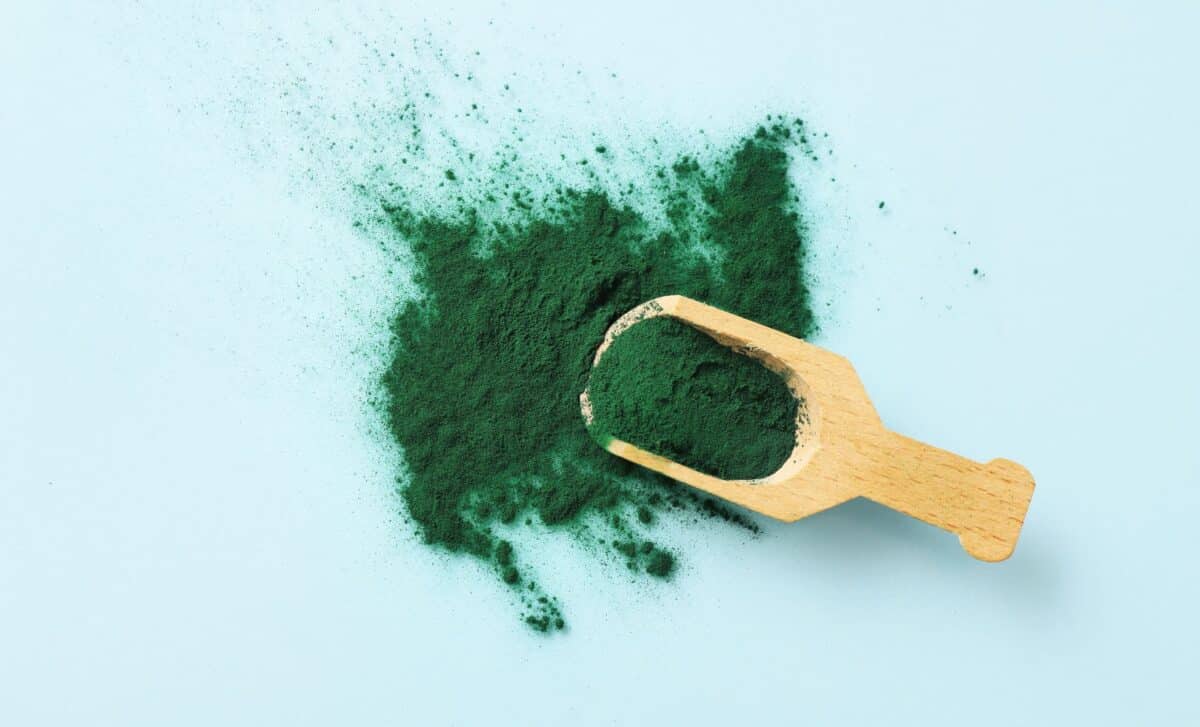 Spirulina powder. Credit Canva
How The Modified Spirulina Works
The key to this breakthrough lies in a modified version of Spirulina, which has been carefully cultivated under controlled conditions using artificial light. Unlike traditional Spirulina, which contains pseudo-vitamin B12, this new form of algae produces biologically active vitamin B12, an essential nutrient the human body can use.
Researchers from Reichman University, in collaboration with scientists from Iceland, Denmark, and Austria, experimented with a biotechnology system developed by VAXA Technologies in Iceland. The system uses a closed photobioreactor to grow Spirulina under specific light conditions. This controlled environment influences the algae’s metabolism without any genetic modification, making it an environmentally friendly solution for large-scale production.
The results are promising: the modified Spirulina contains active B12 levels comparable to beef, with over 98% of the B12 in its active form. Beef, traditionally a go-to source of B12, contains 0.7–1.5 µg of B12 per 100g. The modified Spirulina contains 1.64 µg per 100g, proving that algae can provide the same amount of bioavailable vitamin B12 found in animal products. The study, published in Discover Food, highlights the potential of this breakthrough for addressing vitamin B12 deficiency in a sustainable way.
Sustainability: A Key Advantage
The environmental implications of this discovery are profound. Traditional animal farming, especially ruminant agriculture, is a major contributor to climate change. Producing beef and other animal products requires vast amounts of land, water, and energy, along with the release of significant amounts of methane gas.
By contrast, growing Spirulina is far less resource-intensive. The cultivation process uses renewable energy sources, like Iceland’s abundant geothermal and hydroelectric power. Moreover, it is carbon-neutral, meaning that it doesn’t contribute to greenhouse gas emissions, making it a much more sustainable alternative to meat-based B12 sources.
Dr. Asaf Tzachor, one of the lead researchers, said,
“The findings demonstrate that photosynthetically controlled Spirulina can produce desirable levels of active vitamin B12, offering a sustainable alternative to traditional animal-source foods.”
The Global Potential For Scaling Up
The scalability of this new Spirulina production method is another key factor in its promise. If the system were implemented at a larger scale in regions like Iceland, where renewable energy is plentiful, it could potentially meet the vitamin B12 needs of millions worldwide. Researchers have modeled scenarios in which the electricity currently used by heavy industries is redirected to Spirulina production.
In one optimistic scenario, Iceland could produce over 306,400 tons of Spirulina biomass annually. This would generate enough active B12 to provide for the daily needs of over 13.8 million children aged 1-3 years. More ambitious projections suggest that over 50 million children under the age of six months could be supported globally.