




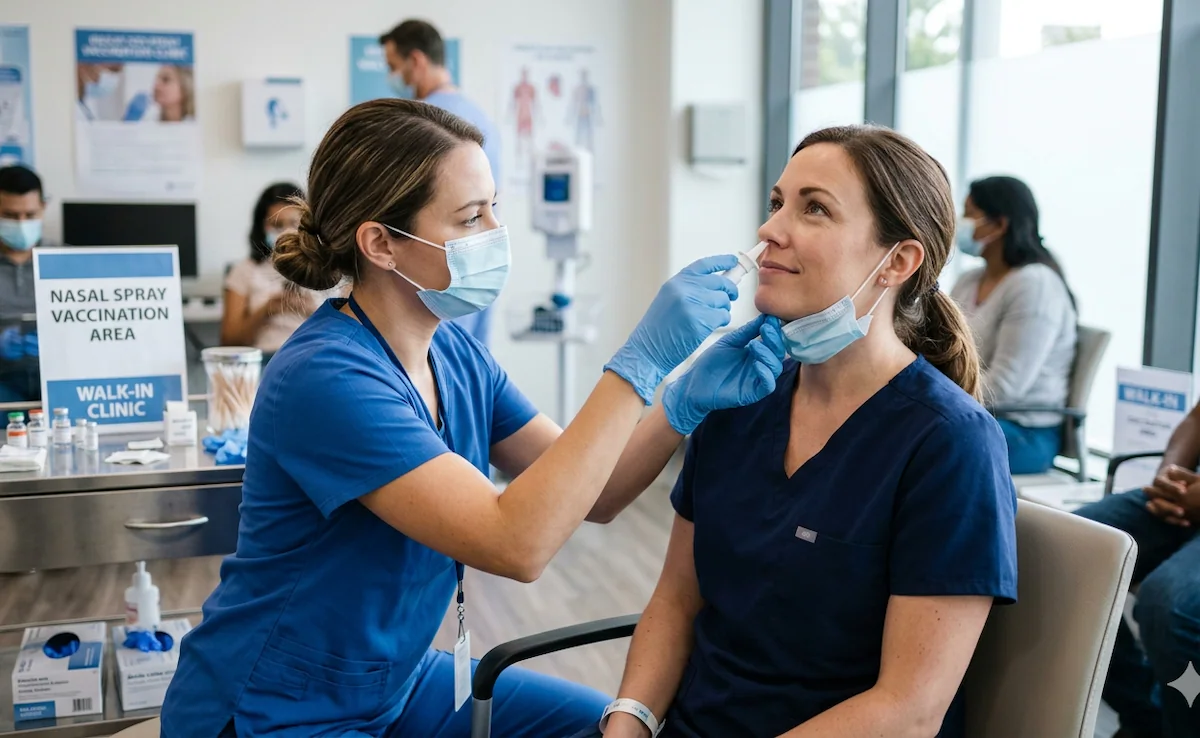
For decades, scientists have been trying to develop vaccines that stop infections right where they begin, in the nose and airways. A new study published in journal Science Translational Medicine, showed how nasal vaccines could offer stronger, targeted protection against respiratory illnesses. Unlike traditional shots that build immunity in the bloodstream, these vaccines work at the body’s frontline defence, the mucosal surfaces of the nose. Researchers say this approach could help block viruses before they take hold, potentially reducing both illness severity and transmission, especially for infections that spread through the air.
Why The Nose Is A Critical Entry Point
Most respiratory infections, including influenza and Covid-19, first enter the body through the nose and upper airways. These areas are lined with mucosal tissue, which acts as a barrier but is constantly exposed to airborne pathogens. This makes it a crucial battleground for the immune system.
Also read: Breakthrough: Single Nasal Vaccine Shot May Protect Against Covid, Flu And Pneumonia
What Makes Nasal Vaccines Different?
Traditional vaccines are injected into the muscle and stimulate immune responses in the bloodstream. While effective at preventing severe illness, they may not fully stop viruses from infecting the airways. Nasal vaccines, on the other hand:
Deliver antigens directly into the noseActivate immune cells in nearby tissues like tonsils and adenoidsBuild protection at the site where infections begin
This includes triggering the production of Immunoglobulin A, a specialised antibody that works in mucus to trap and neutralise viruses early.
What The New Study Found
Researchers from the La Jolla Institute for Immunology used a novel method to measure immune responses directly in the nose. Their findings showed a clear contrast:
Injected flu vaccines produced strong immune responses in the blood but minimal activity in the noseNasal vaccines generated robust and long-lasting immune responses in the airways
This suggests that nasal vaccines may offer better protection where it matters most. Prof Peter B. Ernst from the University of California San Diego highlighted the practical advantages of this approach. “Intranasal administration does not require a medical professional and has been recently approved for self-administration,” he said. He also noted that some nasal vaccines do not require cold storage, making them easier to distribute, particularly in resource-limited settings. Additionally, they may be more acceptable for children who fear needles.
Also read: World Immunisation Week: Here’s Why Some People Have Fever After Getting A Vaccine
Lessons From Past Vaccines
Research on oral vaccines, such as those used for polio, has already shown the importance of local immunity. While injected vaccines protect the body by preventing severe disease, oral vaccines can trigger immune responses at the infection site, stopping the virus earlier. This concept has gained attention during the Covid-19 pandemic, where vaccines were effective at reducing severe illness but less effective at preventing infection in the airways.
How Nasal Vaccines Work In The Body
Nasal vaccines aim to create both local and systemic immunity. Once administered:
Immune cells in the nose capture the antigenThey transport it to nearby immune tissuesB and T cells are activatedLong-lasting immune memory is formed
This dual protection could help the body respond faster and more effectively to future infections.
Which Diseases Could They Target?
Nasal vaccines are being developed for several respiratory infections, including:
InfluenzaCovid-19Respiratory syncytial virus (RSV)
Also read:
Researchers are also exploring their use against bacterial infections affecting the lungs. Nasal vaccines represent a promising shift in how we prevent infectious diseases. By building immunity at the body’s first line of defence, they could stop infections before they begin, reduce transmission, and complement traditional vaccines. While more research is needed, this approach may play a key role in the future of global vaccination strategies.
Disclaimer: This content including advice provides generic information only. It is in no way a substitute for a qualified medical opinion. Always consult a specialist or your own doctor for more information. NDTV does not claim responsibility for this information.